
Bahawalpur NA-168 By-Election Tests Political Dynamics and Economic Stakes
Polling is underway for the NA-168 Bahawalpur by-election, featuring a high-stakes electoral showdown between PML-N and independent contenders that carries significant socio-economic implications for the region.
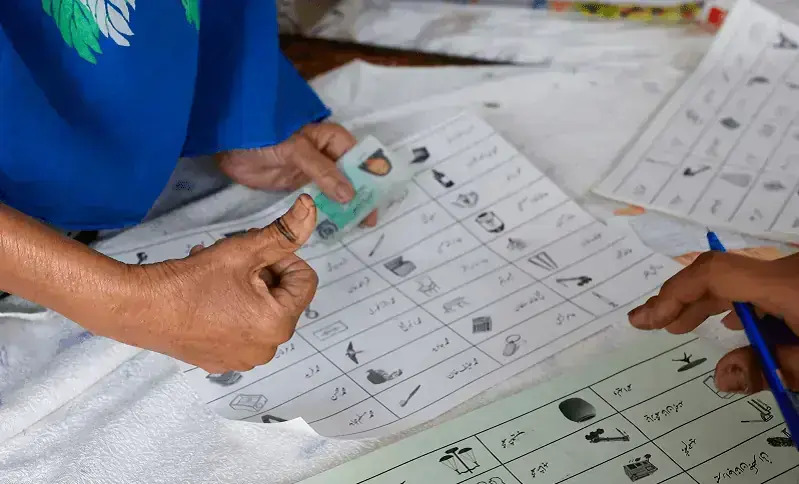
The Core Development
Polling commenced rigorously on Sunday morning for the crucial NA-168 Bahawalpur by-election, setting the stage for what political analysts and local observers anticipate to be a fiercely contested electoral battle. Voting officially began at 8:00 AM and is scheduled to conclude at 5:00 PM, though the Election Commission of Pakistan (ECP) has confirmed that voters already present within the designated boundaries of polling stations prior to closing time will be permitted to exercise their constitutional right.
Huda Gohar, the official spokesperson for the Election Commission of Pakistan, verified the operational readiness across the constituency. The administrative apparatus has deployed a robust workforce to ensure procedural integrity, overseeing operations across 292 established polling stations staffed by 307 presiding officers and 941 assistant polling officers.
The electoral vacancy in NA-168 arose following the unfortunate demise of incumbent parliamentarian Malik Muhammad Iqbal Channar in August. In a political inheritance of succession, the ruling Pakistan Muslim League-Nawaz (PML-N) has fielded the late leader's son, Malik Munir Iqbal Channar, to retain the stronghold. However, the ruling party faces a formidable challenge from independent candidate Wali Dad Cheema, turning what could have been a routine succession into a tight race.
According to official statistical data released by the provincial Election Commissioner's office, the constituency maintains a registered voter pool of 483,143 individuals. This demographic breakdown includes 248,259 male voters and 234,614 female voters, highlighting a mobilized electorate where voter turnout, particularly among women in rural and semi-urban pockets, could decisively swing the final outcome.
Commercial & Economic Implications
While electoral by-elections are fundamentally political exercises, their ripple effects extend deeply into the commercial and economic fabric of southern Punjab. Bahawalpur serves as a vital agricultural and commercial nexus, connecting regional wholesale distribution networks with broader provincial supply chains. Business leaders, grain merchants, and retail trade associations in the district have been closely monitoring the political climate, recognizing that local governance stability directly correlates with commercial confidence.
Electoral campaigns invariably inject capital into the local economy through advertising, logistics, hospitality, and temporary employment. However, political uncertainty during polling periods can temporarily disrupt retail trade and wholesale market activities. Traders in local bazaars reported cautious consumer spending patterns in the days leading up to the vote as retail markets adjusted to heightened security protocols and restricted vehicular mobility around sensitive polling zones.
Furthermore, the business community views the NA-168 outcome as a referendum on current federal and provincial economic policies, particularly concerning agricultural subsidies, fertilizer pricing, and energy tariffs. Southern Punjab's agrarian economy remains sensitive to policy shifts dictated by Islamabad and Lahore. A decisive victory for the ruling PML-N would signal local endorsement of ongoing fiscal stabilization measures, whereas a strong showing by an independent candidate could reflect rural dissatisfaction with inflationary pressures and agricultural input costs.
Related Intelligence: Northern Ireland March Ruling Sparks Fresh Sectarian Tensions and Economic Anxiety
Stakeholder Perspectives & Market Reactions
Reactions from various industry bodies, trader associations, and legal commentators underline the complex dynamics surrounding the Bahawalpur by-poll. Representatives from local chambers of commerce emphasized the necessity of a peaceful, transparent electoral process to maintain investor confidence and ensure uninterrupted commercial supply chains.
"Stability at the ballot box translates directly to stability in the marketplace," noted a senior official from a regional trade body, speaking on condition of anonymity. "Our members are less concerned with partisan politics and more focused on predictable regulatory frameworks, controlled inflation, and uninterrupted power supply for small and medium enterprises."
Legal and constitutional experts have praised the ECP's administrative transparency, noting that strict adherence to polling timelines and the deployment of adequate polling staff are crucial for maintaining public trust. Public response across Bahawalpur has been active, with long queues forming outside urban and rural polling stations alike. Civil society organizations have maintained a vigilant watch, reporting minor procedural delays but no major systemic disruptions.
Forward Outlook & Key Watchpoints
As the clock ticks toward the conclusion of polling at 5:00 PM, attention shifts rapidly toward the tabulation and consolidation of results by the Election Commission of Pakistan. Official preliminary results are expected to trickle in late Sunday evening, with final certified results anticipated by Monday morning.
Key watchpoints for analysts, financial markets, and political observers include the final voter turnout percentage—particularly the gender-disaggregated participation rates—and the margin of victory between the frontrunners. A victory for the PML-N candidate will reinforce the ruling coalition's provincial footprint and signal continuity in regional development projects. Conversely, an upset by independent candidate Wali Dad Cheema would embolden opposition narratives and prompt a reassessment of political leverage in southern Punjab.
Policy enforcement regarding post-election celebrations, security maintenance, and the peaceful acceptance of results will remain paramount in the immediate aftermath to safeguard commercial activities and ensure that retail and wholesale markets resume normal operations without disruption.
Join Our Official WhatsApp Channel
Receive live commodity alerts, policy changes, and commercial intelligence directly on WhatsApp.