
Morocco's PJD Navigates Political Realignment Amid Broad Economic Headwinds
Morocco's moderate Islamist PJD is restructuring under veteran leader Abdelilah Benkirane, seeking to capitalize on living costs ahead of 2026 while operating within the Kingdom's established royal governance framework.
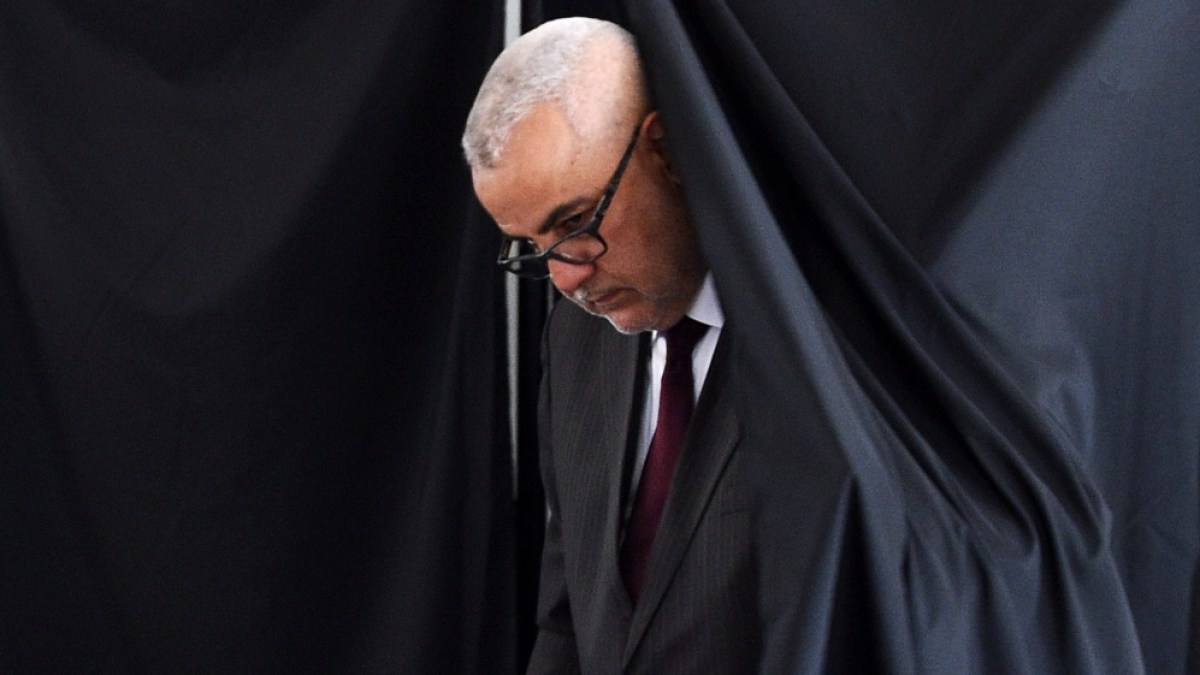
Geopolitical & Core Developments
The Justice and Development Party (PJD), which governed Morocco for a decade following the 2011 constitutional reforms, is navigating a protracted political restructuring under veteran statesman Abdelilah Benkirane. After suffering an unprecedented defeat in the September 2021 legislative elections—plummeting from 125 parliamentary seats to a mere 13—the moderate party with an Islamic reference faces deep systemic challenges. The collapse was precipitated by internal factional friction, voter fatigue over economic austerity, and the contentious normalization of diplomatic relations with Israel under the US-brokered Abraham Accords, signed during the tenure of former Prime Minister Saad Dine El Otmani.
Re-elected as secretary-general to arrest the party's institutional decline, Benkirane has sought to reposition the PJD as a disciplined, vocal opposition force. His strategy focuses on critiquing the technocratic, business-aligned coalition led by Prime Minister Aziz Akhannouch's National Rally of Independents (RNI). While Benkirane has targeted the government's handling of consumer inflation, fuel distribution monopolies, and social welfare distribution, he has carefully avoided direct confrontation with the Royal Palace. The party's trajectory reflects a broader regional recalibration across North Africa regarding the viability and boundaries of political Islam operating inside hybrid constitutional governance systems.
Global Trade & Economic Ripples
While ultimate executive and strategic authority remains anchored by the Alaouite monarchy, legislative and social stability directly underpins Morocco's reputation as a prime nearshoring hub for international trade. Under the current administration, Rabat has aggressively pursued foreign direct investment into aerospace components, automotive manufacturing, and renewable green hydrogen corridors designed to supply the European Union. Tanger Med port has cemented its status as the leading maritime hub on the Mediterranean, deeply integrating Morocco into Western supply networks.
Crucially, Morocco commands more than 70 percent of the world's known phosphate rock reserves through the state-owned OCP Group, making domestic tranquility a matter of global food security and international fertilizer pricing. While persistent multi-year droughts have squeezed domestic agricultural output and driven food price inflation, international rating agencies and sovereign bondholders view core macroeconomic policy as well-insulated from parliamentary fluctuations. Benkirane's populist critique of fuel price deregulation and market concentration resonates with a strained working class, yet foreign capital flows and strategic infrastructure commitments remain firmly guaranteed by the Kingdom's overarching sovereign development model.
International Reactions & Diplomatic Stances
Multilateral bodies and key trade partners evaluate Morocco's domestic political dynamics through the lens of regional stability, commercial continuity, and migration management. The International Monetary Fund (IMF) and the World Bank have consistently commended the Kingdom's macroeconomic resilience, structural fiscal consolidation, and expansive social protection initiatives, urging continued domestic competition reforms irrespective of electoral changes.
European Union institutions and individual member states, particularly Spain and France, view Morocco as an indispensable security and counter-migration partner along the southern Mediterranean frontier. Western diplomats have observed Benkirane's delicate balancing act: vocalizing widespread domestic solidarity with Palestinians to satisfy his political base, while steering clear of challenging King Mohammed VI's sovereign oversight of foreign policy and the Abraham Accords. Market analysts note that international lenders perceive minimal institutional risk in the PJD's potential electoral rehabilitation, given that Morocco's strategic diplomacy, central bank policy, and trade agreements remain royal prerogatives.
Strategic Outlook & Future Scenarios
Looking toward the 2026 general elections, the PJD's rehabilitation hinges on its ability to mobilize disaffected working- and middle-class voters without provoking resistance from institutional gatekeepers. Analysts outline two principal scenarios: in the first, Benkirane capitalizes on lingering cost-of-living grievances and public fatigue with technocratic governance to re-establish the PJD as a formidable parliamentary minority, regaining leverage in municipal and national discourse.
In an alternative scenario, the party remains politically hemmed in by demographic shifts, voter apathy, and enduring internal cleavages, unable to present a compelling economic vision distinct from the state's official development agenda. On the international stage, Morocco's broader geostrategic trajectory—including Atlantic African integration initiatives, expanded energy links to Europe, and preparations to co-host the 2030 FIFA World Cup—will proceed on a stable footing, insulated from partisan electoral swings.
Join Our Official WhatsApp Channel
Receive live commodity alerts, policy changes, and commercial intelligence directly on WhatsApp.