
Moroccan Parties Mobilize for High-Stakes Parliamentary Elections
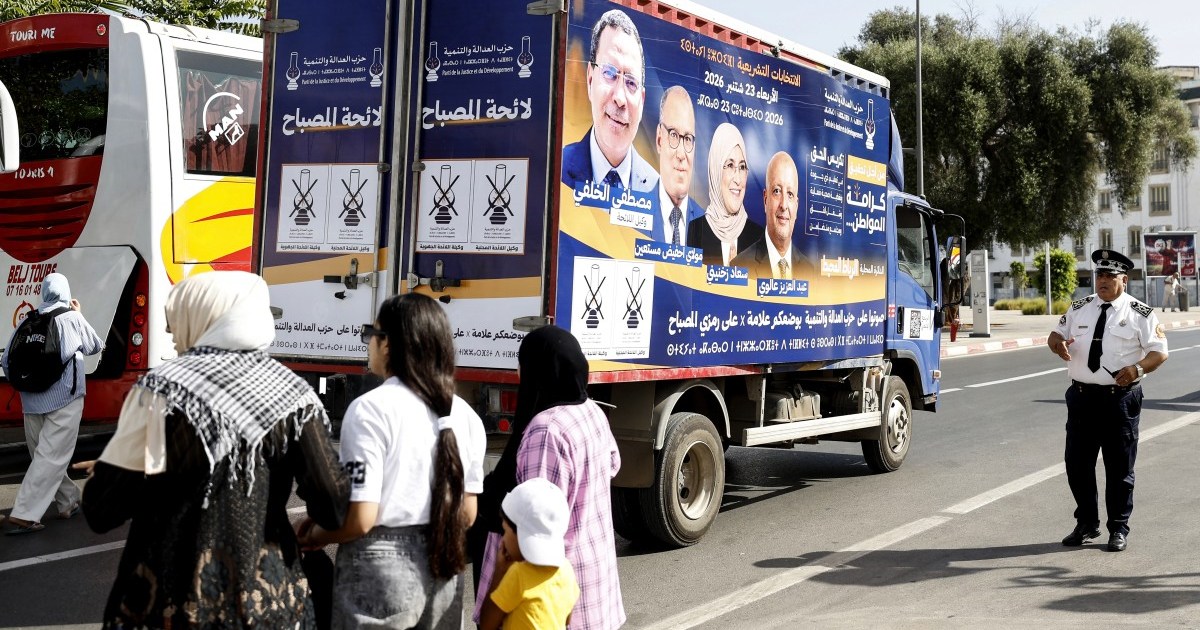
Moroccan political factions have launched intensive digital and physical campaigns across markets ahead of the September 23 parliamentary elections for 395 seats.
Geopolitical & Core Developments
Morocco's political landscape has entered a critical phase as national parties mobilize both physical markets and digital platforms to campaign for the upcoming September 23 parliamentary elections. The electoral contest, which will decide the allocation of 395 seats in the House of Representatives, takes place against a backdrop of complex domestic reforms and shifting regional dynamics in North Africa. Major political groupings are vying for voter support by addressing critical socioeconomic concerns, including inflation, youth unemployment, and infrastructural development.
The campaign strategy this cycle heavily integrates online engagement alongside traditional rallies in bustling urban commercial hubs. State institutions have emphasized transparency and security to ensure high voter turnout, recognizing that the legitimacy of the next governing coalition depends heavily on broad civic participation. As diplomatic ties and regional alliances remain paramount, the outcome of these elections will directly influence Rabat's domestic governance and its external diplomatic posture across the Mediterranean and the wider African continent.
[Global Trade](/news/us-china-summit-strategic-impact-global-trade) & Economic Ripples
From a commercial perspective, Morocco serves as a vital bridge for international trade linking Europe, West Africa, and the Atlantic. The stability of its legislative framework is paramount for foreign direct investment, particularly in burgeoning sectors such as automotive manufacturing, aerospace components, and renewable energy transition projects. Global commodity markets, especially concerning phosphate fertilizers where Morocco holds dominant global reserves, closely monitor the political transition to ensure uninterrupted supply chain logistics.
Furthermore, currency stability and fiscal discipline remain top priorities for international financial institutions monitoring the Moroccan dirham. Trade corridors passing through Moroccan ports, notably Tanger Med, rely heavily on predictable regulatory environments and secure governance. Any shifts in domestic economic policy resulting from the parliamentary shift could recalibrate foreign trade agreements, tariff structures, and multilateral lending frameworks, directly impacting regional trade balances and investor confidence.
Related Intelligence: West Bank Raids Trigger Escalation Risks for Regional Trade
International Reactions & Diplomatic Stances
Multilateral organizations and international partners are closely monitoring the electoral process in Rabat. Economic analysts and diplomatic observers note that Morocco's steady political trajectory offers a rare anchor of stability within a volatile geopolitical neighborhood. While international bodies generally maintain a stance of strict non-interference, financial markets and credit rating agencies have highlighted the importance of fiscal continuity and structural reforms.
Bilateral partners, particularly within the European Union and the broader Mediterranean basin, view the September 23 vote as a crucial test of democratic consolidation in North Africa. Discussions in diplomatic corridors center on migration management, security cooperation, and green energy partnerships, all of which depend upon a stable, functioning legislative majority capable of ratifying long-term international treaties and executing bilateral economic accords.
Strategic Outlook & Future Scenarios
Looking beyond the September 23 ballot, the immediate trajectory of Moroccan politics will depend on the ability of winning factions to forge stable coalition governments capable of enacting complex legislative agendas. The incoming administration will face immediate pressure to manage inflation, accelerate green energy investments, and optimize strategic trade positioning.
Upcoming regional summits and bilateral trade negotiations will test the diplomatic agility of the newly formed government. As global supply chains continue to realign toward reliable, near-shoring hubs, Morocco's strategic positioning hinges on the continuity of its economic reforms and robust political governance. Investors and international policymakers will evaluate the post-election landscape for signs of sustained growth, regulatory clarity, and steadfast geopolitical alignment.
Join Our Official WhatsApp Channel
Receive live commodity alerts, policy changes, and commercial intelligence directly on WhatsApp.