
West Bank Raids Trigger Escalation Risks for Regional Trade
Mass arrests and sweeping lockdowns in the occupied West Bank town of Biddu heighten regional security anxieties, threatening broader geopolitical stability and local commercial supply chains.
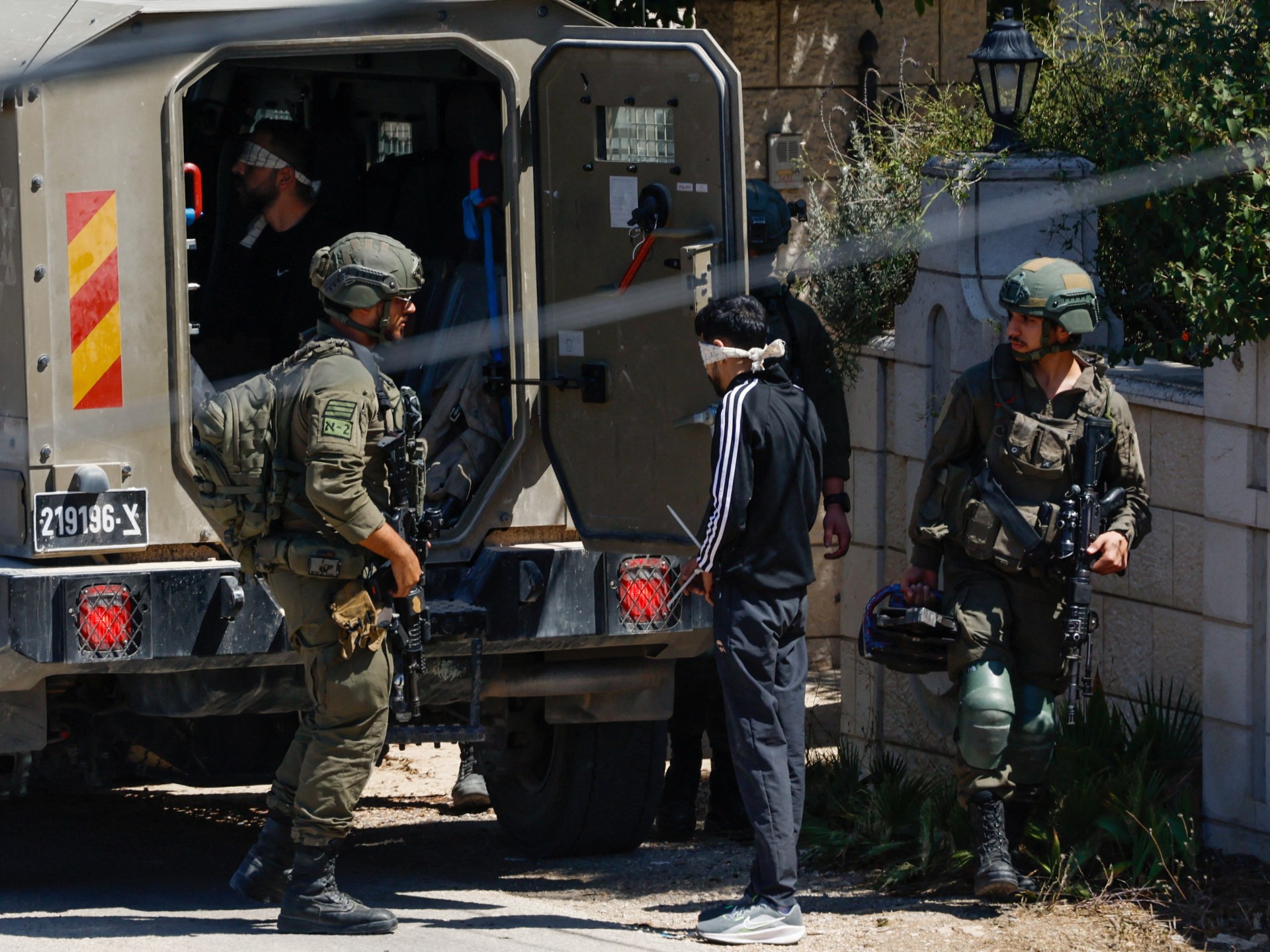
Geopolitical & Core Developments
Israeli military forces have launched a sweeping and intensive security operation in the occupied West Bank, detaining at least 53 young men in the town of Biddu. The raid, characterized by heavy troop deployments and strict cordons, has effectively placed the entire municipality under lockdown. Local sources report that educational institutions, commercial storefronts, and essential municipal services have been forced to shutter indefinitely as security personnel conduct sweeping door-to-door searches and interrogations. This latest enforcement action underscores a sharp uptick in military operations across the West Bank, running parallel to ongoing conflicts in other regional theaters.
The strategic stakes of these intensified West Bank incursions extend far beyond localized security measures. Observers note that systemic detentions and pervasive freedom-of-movement restrictions are escalating friction points between Palestinian communities and state security forces. The compounding pressure on local infrastructure threatens to ignite wider civil unrest, potentially altering the security calculus for the entire Levant region. State actors and diplomatic channels are closely monitoring whether these tactical operations will catalyze a broader mobilization across adjacent territories.
[Global Trade](/news/us-china-summit-strategic-impact-global-trade) & Economic Ripples
While direct physical damage to major trade corridors remains contained, persistent volatility in the Levant exerts psychological and logistical pressure on global commodity markets. The West Bank functions as an integral micro-economy within the broader Middle Eastern trade network; prolonged lockdowns disrupt domestic supply chains, hinder light manufacturing, and impede regional labor mobility. For Kalyar Traders World Desk analysts, localized instability of this magnitude feeds directly into elevated risk premiums across international energy and freight markets.
Furthermore, sustained geopolitical friction in the Middle East historically acts as a catalyst for currency fluctuations and defensive positioning in energy commodities. Any escalation that threatens to draw in regional proxies or disrupt critical maritime and overland transit arteries immediately resonates in global oil pricing structures. Shippers and insurers are maintaining heightened vigilance, recalculating risk matrices for regional logistics as civil disruptions threaten to spill over into broader commercial pathways.
Related Intelligence: Gaza Ceasefire Collapse Threatens Middle East Trade and Energy Stability
International Reactions & Diplomatic Stances
The developments in Biddu have elicited mounting concern from international monitors and multilateral bodies. Human rights organizations and diplomatic missions have voiced alarm over the scale of the detentions and the severe socioeconomic impact of the ongoing lockdowns. While official statements from Western capitals continue to balance security imperatives with humanitarian concerns, critics argue that insufficient diplomatic pressure is being applied to de-escalate the deteriorating conditions on the ground.
Market analysts and geopolitical risk assessors emphasize that the international community's response remains largely reactive. Multilateral institutions are calling for restraint and adherence to international legal frameworks, yet tangible economic or diplomatic deterrents remain absent. This diplomatic vacuum leaves international corporations and commodity traders navigating an increasingly unpredictable environment, where localized security incidents can rapidly morph into systemic geopolitical liabilities.
Strategic Outlook & Future Scenarios
Looking ahead, the trajectory of the West Bank security situation points toward prolonged friction rather than imminent resolution. Upcoming diplomatic summits and international dialogues will likely address the compounding humanitarian and economic fallout, but structural shifts in policy appear unlikely in the near term. If military operations continue at their current intensity, the risk of synchronized escalations across multiple fronts remains a central concern for global risk management.
For international commerce and supply chain architects, the primary takeaway is the necessity of contingency planning against sudden regional shocks. As geopolitical fault lines deepen, the interplay between localized military enforcement and global market stability underscores the fragility of modern trade networks. Stakeholders across energy, logistics, and finance must price in persistent Middle Eastern volatility as a baseline operational reality for the foreseeable future.
Join Our Official WhatsApp Channel
Receive live commodity alerts, policy changes, and commercial intelligence directly on WhatsApp.