
Sindh High Court Suspends Nepra Tariff Orders for K-Electric
The Sindh High Court has suspended Nepra's tariff review orders for K-Electric, temporarily halting contentious multi-year determinations affecting Pakistan's largest commercial hub.
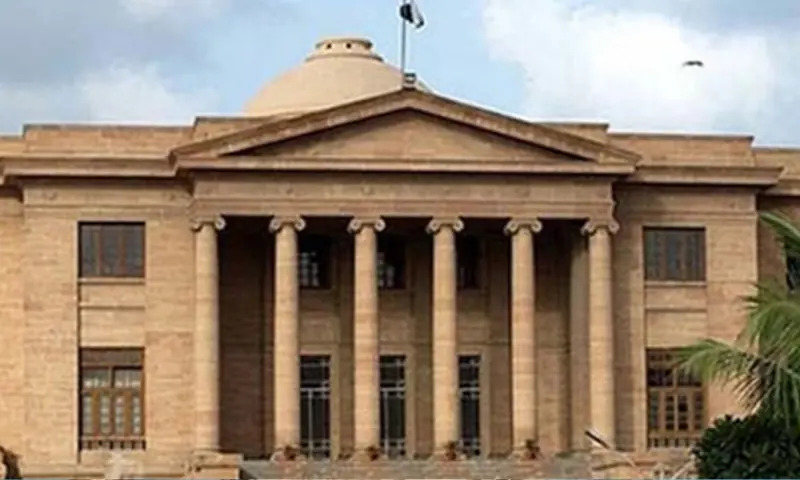
The Core Development
In a significant legal intervention carrying profound implications for Pakistan's energy sector, the Sindh High Court (SHC) has suspended the impugned notifications and orders issued by the National Electric Power Regulatory Authority's (Nepra) appellate tribunal regarding the review of K-Electric's multi-year tariff. A single-judge bench of the SHC, presided over by Justice Mohammad Abdur Rahman, initiated formal judicial scrutiny by issuing comprehensive notices to key state stakeholders, including the federal Power Division, Nepra, and the Deputy Attorney General, scheduling the next hearing for October 15.
The litigation stems from petitions filed by K-Electric challenging unfavorable judgments handed down by Nepra's appellate tribunal in September and October. These disputed determinations directly addressed the power utility's formal appeals against Nepra's October review determinations and subsequent implementation notifications promulgated by the Ministry of Energy's Power Division. Representing the power utility, counsel Ayan Memon robustly argued before the bench that K-Electric's foundational tariff, meticulously determined by Nepra, governs a critical seven-year operational and financial horizon spanning from 2024 to 2030, encompassing vital generation, transmission, and distribution parameters.
Commercial & Economic Implications
For the commercial and industrial landscape of Karachi and its adjoining hubs, tariff determinations are not merely administrative figures; they are foundational economic variables that dictate operational viability. K-Electric serves millions of domestic, commercial, and industrial consumers across the metropolis, powering vital manufacturing sectors, wholesale distribution networks, and retail trade corridors. Any regulatory instability or protracted legal ambiguity surrounding the multi-year tariff directly filters into cost-of-service calculations, influencing cash flows, liquidity management, and capital expenditure programs necessary for grid modernization and loss reduction.
At a macro level, Pakistan's ongoing struggle with circular debt, inflationary pressures, and fiscal deficits makes electricity pricing a sensitive national issue. The suspension of the tariff review orders creates a temporary legal vacuum wherein the exact financial equations governing the utility's return on equity, fuel cost adjustments, and investment allowances remain sub judice. For wholesale traders and industrial manufacturers who operate on tight margins, unpredictable electricity tariffs complicate long-term pricing strategies, ultimately affecting consumer goods inflation and export competitiveness in international markets.
Related Intelligence: Court of Arbitration for Sport to Deliver Verdict on Senegal-Morocco AFCON Dispute
Stakeholder Perspectives & Market Reactions
Business councils, trader associations, and industrial bodies in Karachi have monitored these judicial proceedings with intense concern. Representatives from various chambers of commerce have consistently argued that skyrocketing electricity tariffs threaten industrial output and render domestic manufacturing uncompetitive against regional peers. Conversely, utility representatives maintain that regulatory frameworks must realistically account for macroeconomic realities, including currency depreciation, inflation, and financing costs, to attract foreign and domestic investments required to upgrade aging power infrastructure.
Legal experts suggest that the SHC's decision to suspend the tribunal's orders provides temporary relief to the utility by halting the immediate enforcement of contested adjustments. However, it also underscores the deep-seated friction between regulated utilities and state regulators regarding tariff methodology, indexation mechanisms, and regulatory oversight. Official statements from regulatory bodies are expected to defend the statutory integrity of Nepra's determinations during the upcoming October 15 proceedings.
Forward Outlook & Key Watchpoints
As stakeholders prepare for the upcoming hearings on October 15, the immediate legal trajectory depends on whether the SHC extends the interim stay or moves toward a detailed adjudication on the merits of the multi-year tariff framework. Key watchpoints for financial analysts and market participants include the specific legal arguments presented by the Deputy Attorney General on behalf of the federal government, Nepra's defense of its appellate tribunal's findings, and K-Electric's submissions regarding the long-term viability of the 2024-2030 tariff regime.
Policy enforcement and regulatory predictability hang in the balance. A definitive judicial ruling will not only settle the immediate dispute between K-Electric and Nepra but will also set a crucial legal precedent for how multi-year tariffs are reviewed, contested, and implemented across Pakistan's power sector. Until then, commercial consumers and market participants must navigate a transitional phase defined by legal uncertainty and watchful anticipation.
Join Our Official WhatsApp Channel
Receive live commodity alerts, policy changes, and commercial intelligence directly on WhatsApp.