
West Bank Closures Deepen Regional Economic and Geopolitical Strain
Extended Israeli closures of West Bank crossings severely restrict Palestinian movement and trade, intensifying regional economic and geopolitical instability.
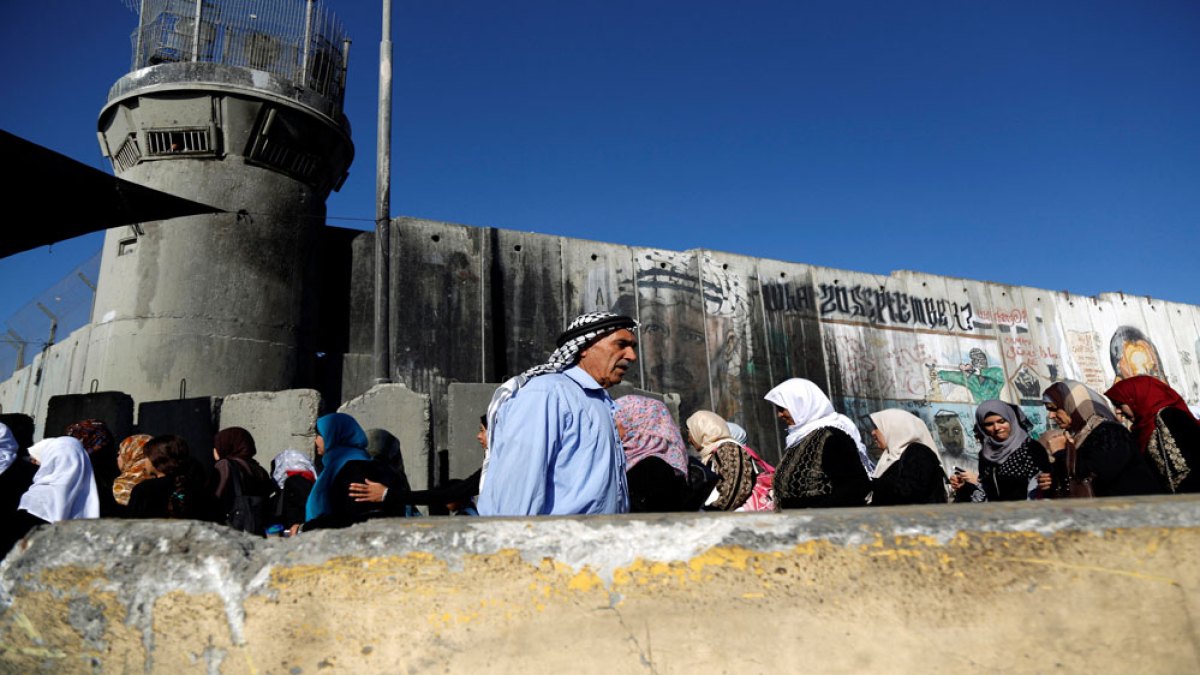
Geopolitical & Core Developments
The Israeli authorities' decision to completely shut down occupied West Bank crossings for a week represents a profound escalation in border management and security enforcement. This sweeping restriction halts the daily transit of hundreds of thousands of Palestinian workers, traders, and civilians who rely on these checkpoints for employment, healthcare, and education. The deployment of over 300 checkpoints, roadblocks, and barriers across the West Bank has long served as a primary instrument of territorial control, but the total suspension of commercial and pedestrian crossings marks a critical tightening of movement. These measures severely impede access to vital holy sites, particularly during sensitive religious periods, heightening social friction and diplomatic tensions between Israeli security forces, the Palestinian Authority, and international observers.
From a strategic standpoint, the enforcement of these closures underscores the fragile security architecture governing the occupied territories. The move follows a pattern of reactive border controls designed to mitigate perceived security threats, yet it structurally paralyzes the local economy. By cutting off urban centers from one another and isolating rural communities, the policy deepens institutional fragmentation. Diplomatic channels between regional actors have grown increasingly strained as humanitarian organizations report mounting difficulties in delivering essential services, raising urgent questions regarding proportionality and the long-term viability of civil administration in the West Bank.
Global Trade & Economic Ripples
While localized to the southern Levant, the systematic paralysis of West Bank commerce sends immediate shockwaves through regional supply chains and domestic market indices. The abrupt halt in cross-border labor flows directly impacts the Israeli construction and agricultural sectors, which depend heavily on West Bank workforces, leading to project delays and rising operational costs. Simultaneously, Palestinian commercial enterprises face catastrophic revenue losses as retail trade, manufacturing output, and agricultural exports grind to a halt. Supply chains connecting local markets to regional hubs via Jordan are severely disrupted, increasing freight demurrage and transportation overheads.
On a macro-commercial level, these ongoing security disruptions contribute to persistent risk premiums across Middle Eastern markets. Investors and multinational corporations operating in the broader Levant factor heightened geopolitical volatility into their operational calculus, impacting foreign direct investment and commercial credit availability. Although global energy markets and major maritime shipping lanes remain primarily focused on Red Sea security dynamics, the deepening economic contraction in the West Bank reinforces a broader regional climate of financial uncertainty, depressing local currency valuations and discouraging cross-border commercial partnerships.
Related Intelligence: Twin Cities Rain Sparks High Alert and Supply Chain Disruptions
International Reactions & Diplomatic Stances
The international community has expressed profound alarm over the sweeping border closures and their immediate humanitarian and economic fallout. United Nations agencies and humanitarian envoys have reiterated that sweeping movement restrictions violate fundamental principles of international law and exacerbate existing economic vulnerabilities. Western capitals have issued diplomatic appeals urging restraint, emphasizing the necessity of balancing legitimate security requirements with the preservation of civilian livelihoods and commercial freedom. Multilateral economic institutions warn that sustained blockades threaten to collapse the Palestinian fiscal framework, necessitating emergency international financial support.
Conversely, Israeli security officials defend the stringent measures as an indispensable defensive imperative required to counter persistent security threats and prevent operational infiltration. Regional trade analysts note that while allied governments acknowledge Israel's security prerogatives, mounting pressure from international business communities and human rights organizations is intensifying scrutiny over the economic proportionality of prolonged collective closures.
Strategic Outlook & Future Scenarios
Looking ahead, the trajectory of West Bank border administration remains closely tied to broader regional security developments and upcoming diplomatic engagements. If closures become protracted or systematically institutionalized, analysts project a severe acceleration of the fiscal crisis facing the Palestinian Authority, potentially triggering widespread civil unrest and forcing renewed international intervention. Conversely, a phased relaxation of checkpoint restrictions could offer immediate relief to labor-dependent industries, though underlying structural impediments to trade will likely persist.
Upcoming multilateral diplomatic summits are expected to address the humanitarian and economic dimensions of West Bank mobility restrictions, with international donors likely pushing for modernized, technology-driven border management solutions that reduce reliance on physical closures. However, until a comprehensive diplomatic breakthrough alters the fundamental security paradigm, the West Bank economy will remain acutely vulnerable to sudden regulatory halts, ensuring that commercial risk and geopolitical volatility remain high across the southern Levant.
Join Our Official WhatsApp Channel
Receive live commodity alerts, policy changes, and commercial intelligence directly on WhatsApp.