
Iran Schools Reopen Amid US Conflict Strains and Economic Pressures
Iranian children return to classrooms under the heavy shadow of US-led military conflict, highlighting severe domestic strains and broader global economic vulnerabilities.
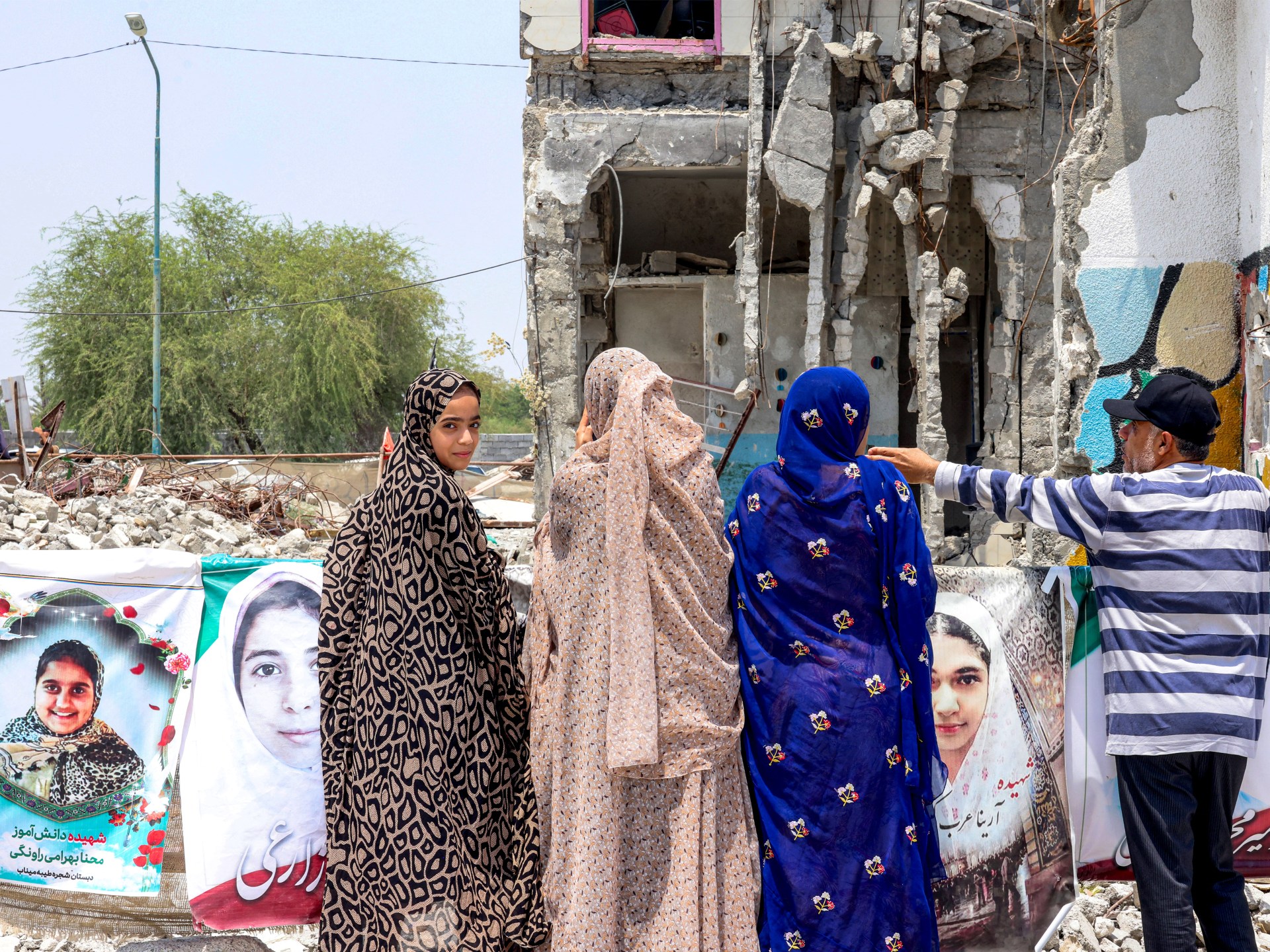
Geopolitical & Core Developments
The reopening of academic institutions across Iran has taken place under extraordinary circumstances, defined by the persistent shadow of military confrontation with the United States and its regional allies. For millions of Iranian children, the return to school is not marked by the standard routines of education, but rather by the psychological and infrastructural tolls of prolonged geopolitical hostility. Decades of targeted economic sanctions, coupled with direct military escalations and covert cyber warfare, have degraded Iran's public infrastructure. Schools frequently grapple with resource shortages, structural damages from past security incidents, and an overarching atmosphere of anxiety. State actors in Tehran continue to frame the educational resilience of the younger generation as a form of resistance against external coercion, while international human rights monitors raise alarms over the systemic deprivation of basic human needs, including safe access to quality education, resulting from sustained geopolitical friction.
Global Trade & Economic Ripples
The protracted hostilities between Washington and Tehran extend far beyond the classroom, exerting profound pressures on global commodity markets and international trade networks. As a major hydrocarbon producer, any domestic instability or security tightening in Iran directly influences sentiment within international energy markets. Crude oil benchmarks remain sensitive to Middle Eastern flashpoints, where threats of maritime disruptions in the Strait of Hormuz—a critical chokepoint for a significant portion of global petroleum shipments—threaten to spike shipping insurance premiums and freight rates. Furthermore, secondary sanctions enforced by the United States complicate bilateral trade for nations seeking to import Iranian petrochemicals or non-oil commodities, forcing a restructuring of Asian and European supply chains. Inflationary pressures fueled by these geopolitical tensions ripple outward, affecting everything from global fertilizer supplies to regional currency valuations.
Related Intelligence: Security Clampdown at Strategic RAF Base Heightens Middle East Tensions
International Reactions & Diplomatic Stances
The plight of civilian populations caught in the crossfire of major power competition has drawn mixed responses from the international community. Officials at the United Nations have repeatedly emphasized that unilateral coercive measures and military standoffs disproportionately harm vulnerable demographics, particularly children and students. While Western capitals maintain that comprehensive sanctions are necessary to curb Tehran's nuclear ambitions and regional proxy activities, multilateral bodies and humanitarian organizations advocate for carve-outs to protect educational and medical supplies. Meanwhile, regional powers in the Middle East have expressed growing apprehension that a miscalculation between Washington and Tehran could trigger a wider regional conflagration, disrupting trade routes and destabilizing foreign investment across the entire Gulf Cooperation Council footprint.
Strategic Outlook & Future Scenarios
Looking ahead, the trajectory of Iran's internal stability and its integration into global commerce remains inextricably linked to the broader posture of United States foreign policy and upcoming diplomatic engagements. Analysts suggest that absent a comprehensive revival of nuclear negotiations or a de-escalation of military postures, Iran's domestic sectors will remain under acute stress, forcing the state to prioritize security expenditure over educational and social infrastructure. Upcoming diplomatic summits and potential shifts in multilateral sanctions regimes will serve as critical indicators for global investors and commodity traders. If hostilities persist, international shipping lanes in the Persian Gulf will remain on high alert, ensuring that the economic fallout of the US-Iran standoff continues to reverberate through global financial markets for the foreseeable future.
Join Our Official WhatsApp Channel
Receive live commodity alerts, policy changes, and commercial intelligence directly on WhatsApp.