
Houthi Missile Strike on Aden Airport Escalates Risks to Regional Logistics
A Houthi missile attack on Aden International Airport following heavy clashes in Marib underscores deepening regional instability, raising risks for maritime logistics and energy transit corridors.
Geopolitical & Core Developments
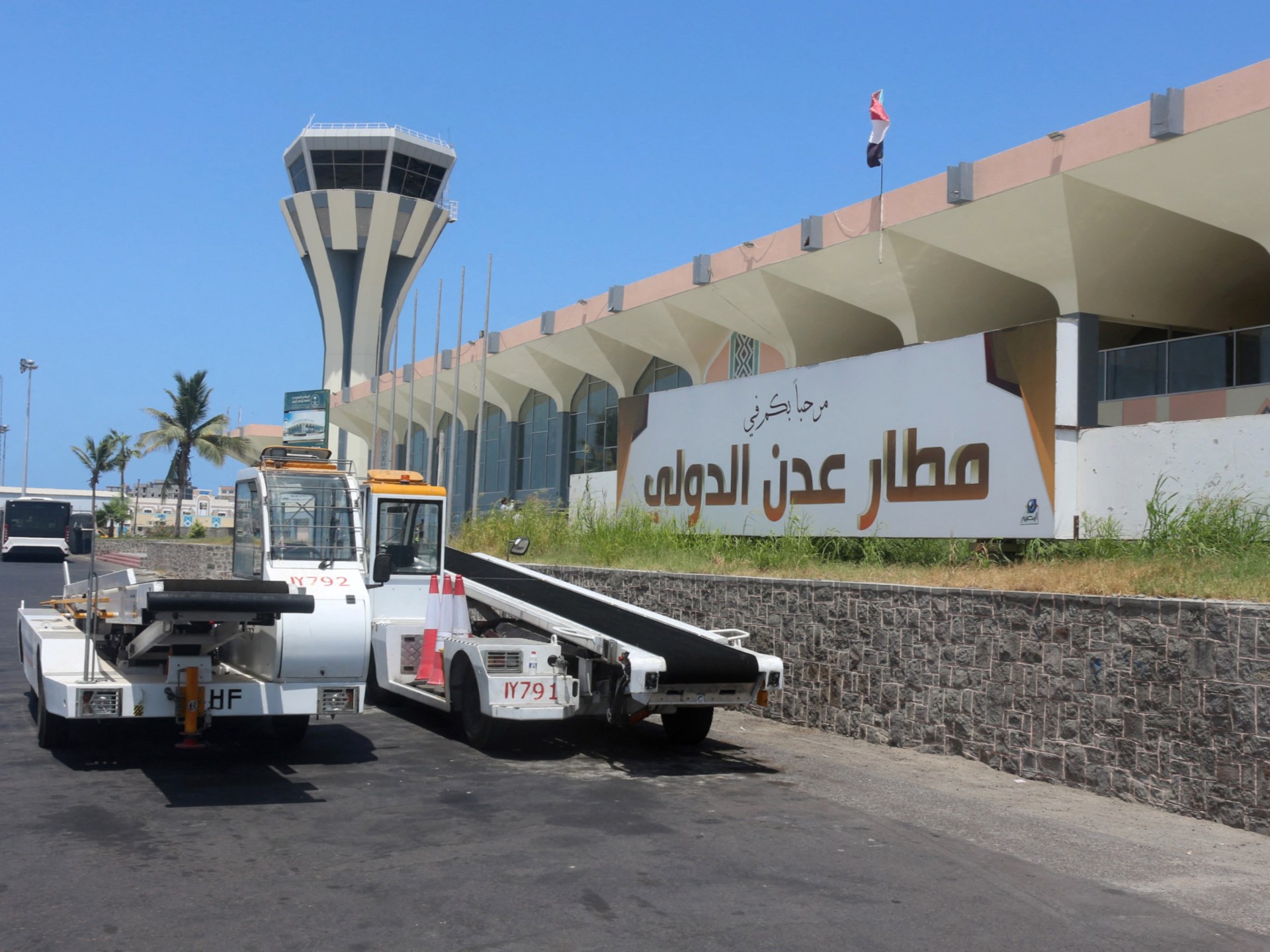
Tensions across the Arabian Peninsula reached a critical juncture following reports from the internationally recognized Yemeni government that Houthi forces launched two ballistic missiles targeting Aden International Airport. The strike on the temporary administrative capital coincided with fierce engagements in the energy-rich province of Marib, where government forces claimed to have neutralized over 400 Houthi combatants during an intensive 24-hour counteroffensive.
The targeting of Aden's primary civilian and logistical gateway highlights the fragile nature of southern Yemen's security umbrella. Control over Marib remains the pivotal operational prize of the broader conflict; the governorate hosts vital oil and natural gas infrastructure and represents the government's last major urban stronghold in the north. Military analysts observe that Houthi operational doctrine frequently utilizes asymmetric ballistic strikes against southern logistics hubs to divert loyalist ground assets away from northern frontlines. The strike in Aden demonstrates an expanded retaliatory envelope that threatens to compromise the operational integrity of southern air and maritime transit networks.
Global Trade & Economic Ripples
While the localized conflict centers on territorial control within Yemen, the geopolitical reverberations extend directly into global commercial lanes. Aden sits adjacent to the Bab el-Mandeb strait, a chokepoint handling nearly 10 percent of global seaborne petroleum and substantial dry bulk trade between Asia and Europe. Continued missile activity along coastal and southern installations amplifies operational risks for commercial shipping traversing the Gulf of Aden.
Underwriters in the Lloyd's and international maritime insurance markets are actively monitoring the escalation, with potential upward revisions to war-risk insurance premiums for vessels entering southern Yemeni waters. Elevated shipping risk profiles invariably trickle down to global supply chains, adding incremental freight costs to energy cargoes, agricultural bulk goods, and containerized freight. Furthermore, persistent conflict in proximity to Marib's hydrocarbon basins maintains an underlying risk premium on international crude benchmarks, including Brent, amid persistent supply-side sensitivities across the Middle East.
Related Intelligence: Government Slashes Domestic Petrol Price by Rs3.93 per Litre
International Reactions & Diplomatic Stances
Multilateral bodies and key regional players have voiced acute concern over the renewed operational tempo. Officials from the United Nations Office of the Special Envoy for Yemen reiterated calls for an immediate cessation of hostilities, underscoring that infrastructure attacks undermine ongoing diplomatic channels aimed at achieving a durable nationwide truce.
Members of the Saudi-led coalition condemned the Aden attack as a deliberate sabotage of diplomatic confidence-building measures, reaffirming their commitments to back the legitimate government's defense posture. Western diplomatic missions, including statements from the United States and European partners, underscored that the proliferation of ballistic missile capabilities to non-state actors presents an unacceptable threat to regional stability, civilian infrastructure, and international commerce.
Strategic Outlook & Future Scenarios
The immediate trajectory of the crisis hinges largely on the operational outcome of the battle for Marib. Should government lines hold, Houthi forces are anticipated to maintain asymmetric pressure via missile and drone operations against high-value strategic infrastructure across the south. Conversely, any sustained disruption to Aden's commercial operations would severely restrict the movement of humanitarian assistance and critical imports, exacerbating the country's economic distress.
Looking forward, regional security dialogues may face heightened friction. Without enforceable verification mechanisms and an agreed de-escalation framework covering cross-regional missile strikes, commercial operators, regional logistics hubs, and international maritime corridors will remain vulnerable to sudden spikes in operational and geopolitical risk.
Join Our Official WhatsApp Channel
Receive live commodity alerts, policy changes, and commercial intelligence directly on WhatsApp.