
Manchester City Premier League Ruling Shakes Global Sports Economy
Manchester City's guilty verdict for financial rule breaches threatens severe sporting penalties and triggers widespread regulatory scrutiny across international football.
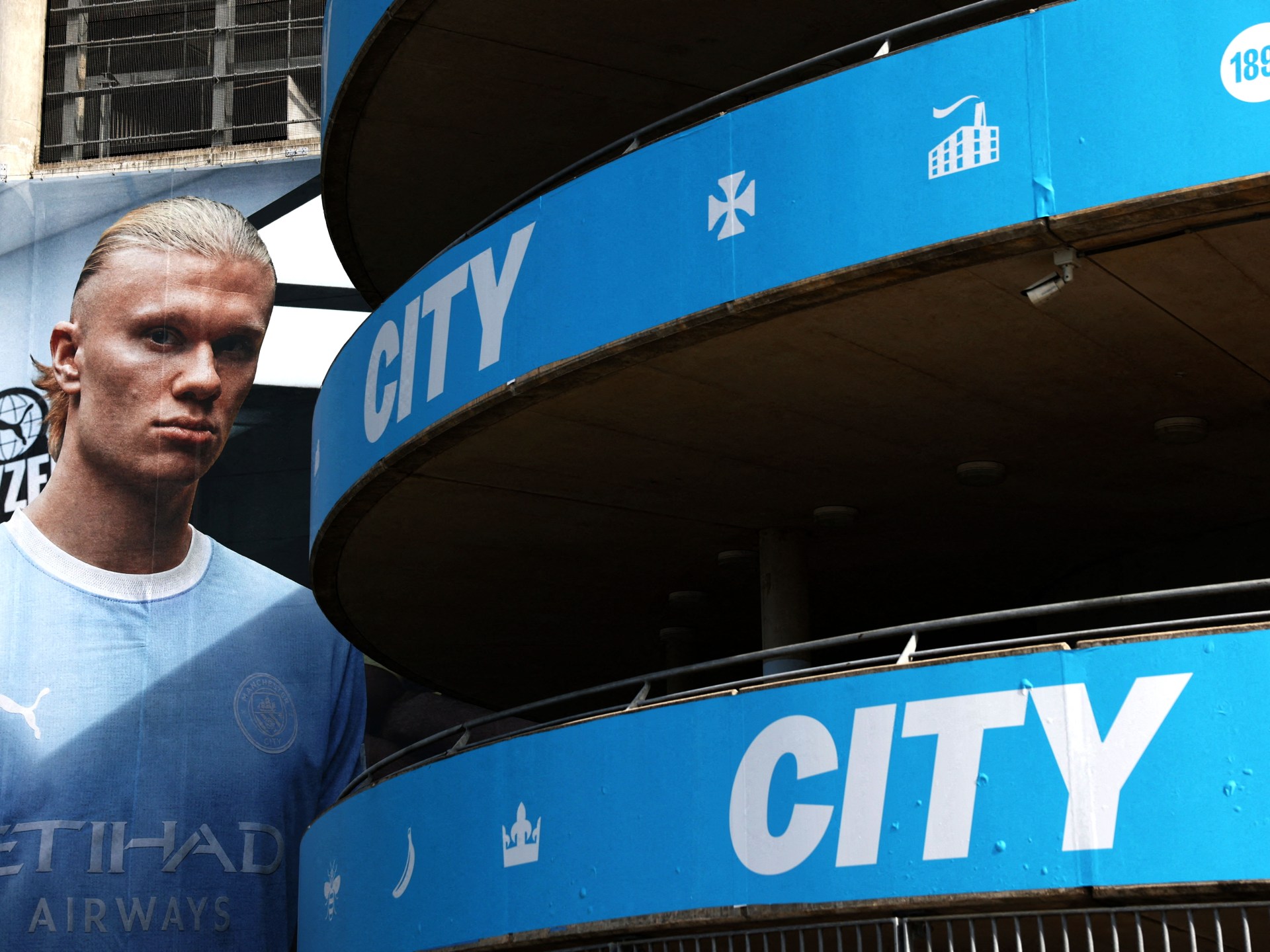
Geopolitical & Core Developments
The landscape of elite European association football has been fundamentally altered following an independent commission's guilty verdict against Manchester City Football Club for extensive breaches of Premier League financial regulations. The ruling, culminating from a meticulous multi-year investigation into over a hundred alleged infractions spanning multiple seasons, examines the intricate financial engineering underpinning the club's unprecedented domestic and continental dominance. State-backed ownership models, characterized by substantial capital infusions from Abu Dhabi, have catalyzed intense debates regarding regulatory oversight, competitive parity, and the broader geopolitical implications of sovereign wealth investments in Western sporting institutions. As legal teams prepare for protracted appeals and arbitration, the core developments expose deep vulnerabilities in how regulatory bodies govern transnational financial flows within professional athletics.
Global Trade & Economic Ripples
Beyond the immediate athletic ramifications, the judicial outcome carries profound economic ripples across the global sports economy, luxury branding, and corporate sponsorship ecosystems. Manchester City operates as a multinational commercial enterprise, generating billions of dollars in broadcast rights, global merchandise sales, and high-value corporate partnerships spanning diverse jurisdictions from the Middle East to East Asia. A severe penalty, such as relegation or expulsion from premier international competitions like the UEFA Champions League, would immediately depress commercial valuations, diminish sponsorship yields, and force a recalibration of player valuation metrics across the transfer market. Furthermore, financial institutions and institutional investors holding debt or equity stakes in major football conglomerates are closely monitoring the proceedings, as heightened regulatory enforcement threatens to compress profit margins and elevate compliance risks across the sports finance sector.
Related Intelligence: Gaza Strike Casualties Deepen Middle East Crisis and Supply Risks
International Reactions & Diplomatic Stances
International reactions to the verdict have laid bare ideological divisions concerning the governance of global sports and the influence of foreign state actors. Rival European clubs, continental leagues, and supporters' trusts have hailed the ruling as a crucial defense of financial fair play and competitive integrity, arguing that stringent enforcement is essential to prevent market distortions. Conversely, defenders of state-backed ownership models emphasize the substantial economic regeneration brought to post-industrial urban centers through such investments, warning that overly aggressive regulatory frameworks could deter vital foreign capital inflows into the United Kingdom and broader European economies. Meanwhile, market analysts and sports economists suggest that this landmark case will inevitably prompt governments and international sports federations to harmonize regulatory standards, potentially introducing standardized fiscal audits for all globally elite sporting entities.
Strategic Outlook & Future Scenarios
Looking toward the medium and long-term trajectory, the Manchester City case establishes a powerful precedent that will permanently reshape the governance architecture of global sports. Upcoming legal hearings and potential appeals will test the limits of regulatory enforcement by domestic leagues against globally integrated, state-backed enterprises. If the Premier League successfully imposes severe sporting sanctions, including relegation or the revocation of past titles, it will signal an era of uncompromising fiscal discipline, compelling clubs worldwide to restructure their financial architectures. Conversely, a diluted penalty could trigger calls for independent regulatory oversight bodies, such as an independent statutory football regulator in the United Kingdom, to insulate domestic competitions from perceived conflicts of interest and ensure absolute transparency in international capital flows.
Join Our Official WhatsApp Channel
Receive live commodity alerts, policy changes, and commercial intelligence directly on WhatsApp.