
Malaysia Pushes Myanmar ASEAN Reintegration Amid Regional Push
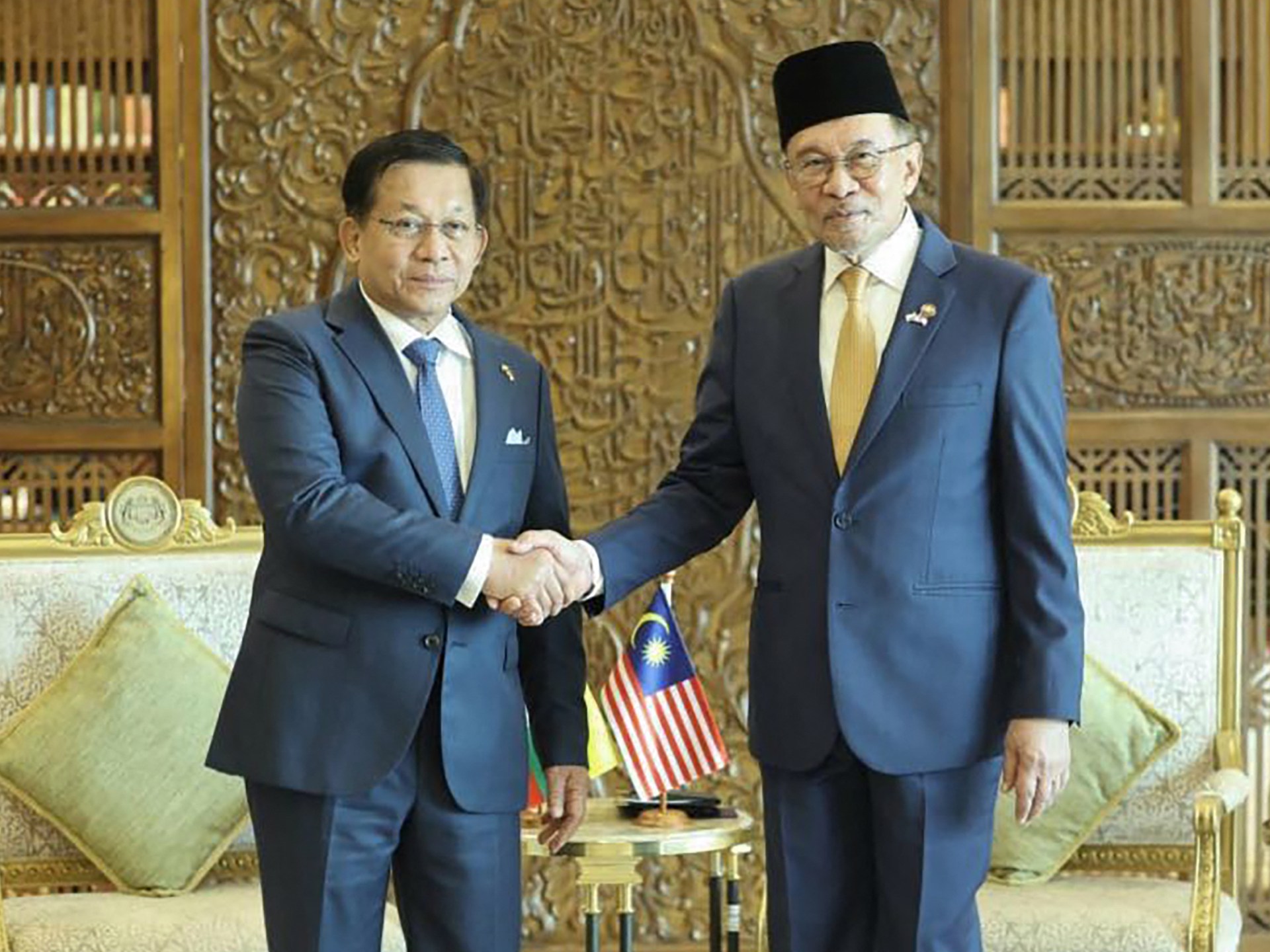
Malaysian leadership has announced efforts to reintegrate Myanmar into active ASEAN diplomacy following a high-level bilateral visit by President Min Aung Hlaing.
Geopolitical & Core Developments
In a significant diplomatic overture, Malaysian Prime Minister announced intentions to work toward the full reintegration of Myanmar into active Association of Southeast Asian Nations (ASEAN) frameworks. This strategic shift follows a crucial two-day official visit by Myanmar leader Min Aung Hlaing to Malaysia, marking his first international trip to the country since assuming the presidency in April. The high-stakes engagement underscores a potential recalibration of regional diplomacy, moving away from isolated containment toward critical diplomatic engagement. For years, Myanmar has faced intense international scrutiny and diplomatic marginalization following the military takeover, leading to restricted participation in high-level regional summits. Malaysia's proactive stance signals a calculated effort by regional capitals to restore diplomatic channels, address ongoing internal instabilities, and re-establish institutional coherence within the ten-member bloc.
Global Trade & Economic Ripples
The unfolding diplomatic dialogue carries profound implications for global commodity markets, regional supply chains, and cross-border commerce across Southeast Asia. Myanmar remains a vital exporter of natural gas, agricultural commodities, critical minerals, and timber, serving as an indispensable node in Indo-Pacific trade networks. Protracted political isolation and associated Western sanctions have severely disrupted capital inflows, constrained project financing, and complicated maritime logistics through the Andaman Sea. Commercial stakeholders and shipping operators are closely monitoring the bilateral talks for any signs of stabilizing trade policies, easing currency controls, or the potential rollback of restrictive trade measures. A formalized roadmap toward political normalization could unlock stalled infrastructure projects, revitalize foreign direct investment, and restore predictable supply chains for energy and raw materials vital to Asian manufacturing hubs.
Related Intelligence: French Student Protests Ripple Through Global Markets and Trade
International Reactions & Diplomatic Stances
Global reactions to Malaysia's diplomatic initiative remain mixed, reflecting deep divisions within the international community regarding the best approach toward Naypyidaw. While ASEAN members have historically adhered to a strict principle of non-interference, mounting humanitarian concerns, refugee flows, and economic spillovers have forced a pragmatic re-evaluation of regional policy. Western capitals and multilateral bodies, including the United Nations, continue to emphasize accountability, human rights protection, and the cessation of internal violence as absolute prerequisites for lifting broader economic sanctions. Market analysts note that while regional pragmatism may drive renewed trade diplomacy, international financial institutions and institutional investors will likely maintain stringent compliance frameworks until verifiable democratic transitions and security stabilizations are achieved on the ground.
Strategic Outlook & Future Scenarios
Looking ahead, Malaysia's diplomatic push is expected to shape the agenda for upcoming ASEAN ministerial meetings and regional summits, setting the stage for intense negotiations among member states. The trajectory of Myanmar's reintegration will depend heavily on the regime's willingness to implement credible political reforms, engage constructively with opposition stakeholders, and address regional security imperatives. Failure to secure tangible concessions could deepen internal rifts within ASEAN, pitting states favoring engagement against those advocating continued isolation. Conversely, a successful diplomatic framework could pave the way for coordinated international assistance, stabilizing regional commodity markets and redefining the geopolitical balance of power across the Indo-Pacific corridor.
Join Our Official WhatsApp Channel
Receive live commodity alerts, policy changes, and commercial intelligence directly on WhatsApp.