
Malaysia To Host Myanmar Leader As Repatriations Approach Milestone
Malaysian Prime Minister Anwar Ibrahim prepares to host Myanmar military leader Min Aung Hlaing in Kuala Lumpur as regional repatriations approach 10,000, signaling a major shift in diplomatic engagement.
Geopolitical & Core Developments
Malaysian Prime Minister Anwar Ibrahim has confirmed that Myanmar military leader Min Aung Hlaing will visit Kuala Lumpur in the coming days, marking a significant development in Southeast Asian diplomacy. The high-level talks are scheduled to address the ongoing socio-political crisis in Myanmar, regional stability, and the management of displaced populations. This diplomatic overture represents a notable pivot for Malaysia, which has historically maintained a critical stance toward Myanmar's military junta following the February 2021 coup. The impending visit underscores the complex realities facing the Association of Southeast Asian Nations (ASEAN) as member states grapple with the limits of isolationist policies and seek pragmatic engagement to mitigate persistent border instability.
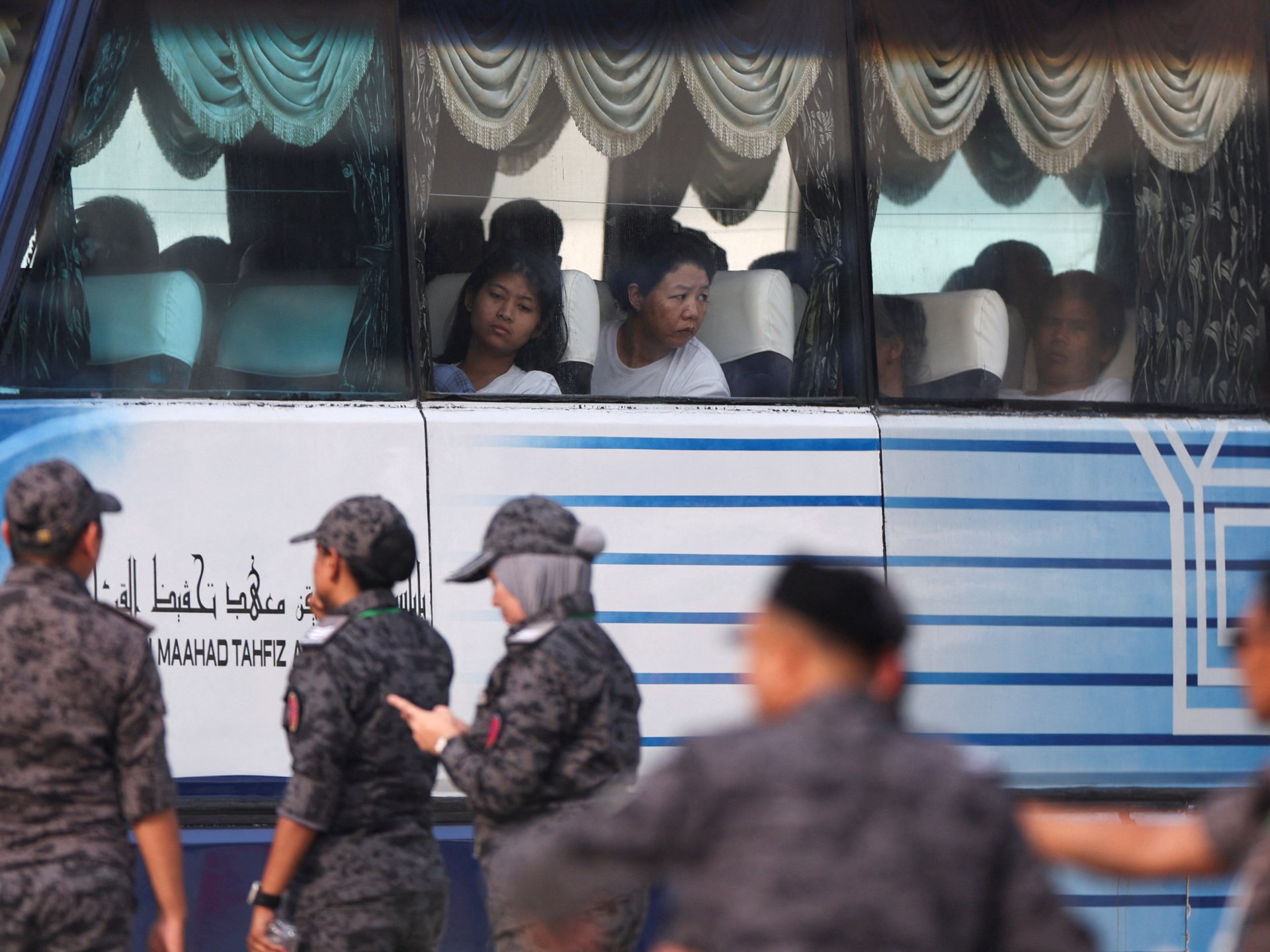
The discussions will also center on the acceleration of migrant repatriations, with numbers expected to cross the 10,000 threshold soon. Kuala Lumpur has faced mounting domestic pressure regarding the management of undocumented Myanmar nationals residing within its borders. By coordinating directly with Naypyidaw, the Malaysian administration aims to streamline administrative processes for safe returns, though human rights organizations have raised serious concerns regarding the safety and legal protections afforded to returnees under the current military administration. The strategic stakes remain exceptionally high as Malaysia prepares to assume greater regional leadership responsibilities.
Global Trade & Economic Ripples
Beyond the diplomatic dimensions, the diplomatic thaw carries profound implications for global trade and regional economic integration within the Mekong subregion. Myanmar remains a crucial node in international supply chains, particularly regarding critical minerals, agricultural commodities, and cross-border energy corridors supplying neighboring economies. Protracted domestic conflict has previously disrupted logistics networks, inflated shipping insurance premiums, and complicated maritime transit through the Andaman Sea and the Strait of Malacca, which serves as a vital artery for global commodity flows.
The normalization of high-level dialogue could foster a more predictable commercial environment for foreign investors operating in Southeast Asia. International energy firms, manufacturing conglomerates, and commodity traders closely monitor these diplomatic shifts for signs of stabilized regulatory frameworks and reduced operational risks. Furthermore, currency stability across the region remains tied to geopolitical predictability; any sustained reduction in border friction and refugee crises helps alleviate fiscal burdens on host nations like Malaysia and Thailand, indirectly supporting macroeconomic resilience and investor confidence in ASEAN financial markets.
Related Intelligence: Dar and Guterres Review Regional Security and Economic Stability
International Reactions & Diplomatic Stances
The announcement has elicited mixed responses from the international community and multilateral institutions. Western governments maintain stringent economic sanctions against Myanmar's military leadership and have cautioned against diplomatic normalization that lacks tangible improvements in human rights and democratic governance. Conversely, regional powers and several ASEAN members have expressed cautious support for pragmatic engagement, arguing that constructive dialogue remains the most viable mechanism to deliver humanitarian assistance and influence Naypyidaw's strategic trajectory.
United Nations agencies and international humanitarian organizations have emphasized the absolute necessity of ensuring that any repatriation initiatives adhere strictly to international legal standards of voluntariness, safety, and dignity. Market analysts suggest that while multilateral bodies remain skeptical of the junta's long-term intentions, commercial stakeholders are increasingly prioritizing operational continuity and risk mitigation over ideological alignments, creating a widening gap between diplomatic rhetoric and economic reality.
Strategic Outlook & Future Scenarios
Looking ahead, the summit between Prime Minister Anwar Ibrahim and Min Aung Hlaing will likely set a precedent for how ASEAN manages internal security crises and transnational challenges moving into the next decade. Upcoming regional summits will test the cohesion of the bloc as member states debate the merits of active engagement versus continued diplomatic distancing. Should the talks yield measurable progress on humanitarian access and orderly repatriations, other regional capitals may follow Kuala Lumpur's lead, gradually re-engaging with Myanmar's military leadership.
Conversely, failure to secure verifiable humanitarian commitments or a worsening of domestic conflict could trigger renewed diplomatic friction and hardened Western sanctions. Global commodity traders and multinational corporations must prepare for persistent regulatory volatility, ensuring flexible supply chain architectures capable of absorbing sudden geopolitical shocks within the strategically vital Southeast Asian theater.
Join Our Official WhatsApp Channel
Receive live commodity alerts, policy changes, and commercial intelligence directly on WhatsApp.