
Madrid Derby Highlights High-Stakes Geopolitics and Global Sports Economy
As Real Madrid prepares for a critical La Liga encounter against Atletico Madrid, the fixture highlights European football's multibillion-dollar footprint across global broadcasting, cross-border investment, and international commercial markets.
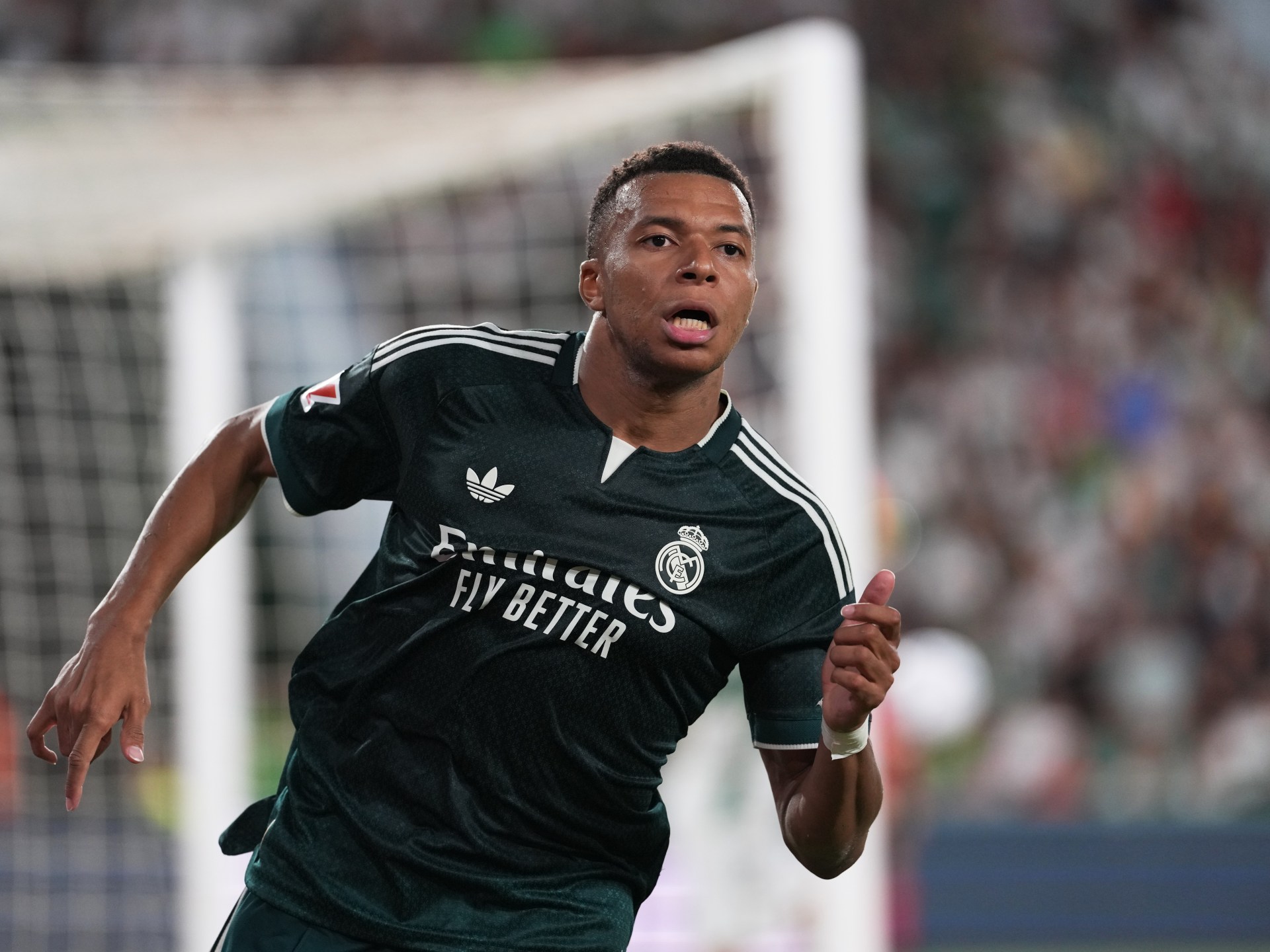
Geopolitical & Core Developments
The impending La Liga clash between Atletico Madrid and Real Madrid extends far beyond standard domestic athletic competition, embodying the geopolitical and economic weight of elite European sports institutions. Tactical assessments and institutional tensions leading into the fixture reflect the heightened scrutiny facing premier football clubs that function as transnational commercial brands. Across Europe, major metropolitan capitals leverage premier sporting franchises as vital instruments of soft power, cultural diplomacy, and international prestige. Over recent decades, the Madrid Derby has transitioned from a local rivalry into an international entertainment spectacle broadcast across more than one hundred countries, serving as a critical pillar of Spain's cultural export economy and bilateral brand visibility across key markets in the Americas, Asia, and the Middle East.
Global Trade & Economic Ripples
The macroeconomic significance of the Madrid Derby reverberates throughout international media syndicates, retail supply chains, and sovereign wealth allocation strategies. High-profile European fixtures serve as primary revenue generators for global television broadcast networks, commanding multibillion-dollar syndication packages that directly influence advertising and digital rights valuations worldwide. In recent years, institutional capital and foreign direct investment—including cross-border private equity ventures such as CVC Capital Partners' agreements with La Liga—have transformed the financial landscape of European sports, injecting liquidity into infrastructure and digital transition initiatives. Moreover, the worldwide consumption of licensed merchandise sustains intricate textile and apparel supply chains across South and Southeast Asia, while premier match weekends produce measurable surges in cross-border aviation, hospitality, and corporate hospitality expenditures throughout the Iberian Peninsula.
Related Intelligence: Asian Games 2026: Soft Power and Industrial Stakes in Aichi-Nagoya
International Reactions & Diplomatic Stances
Market analysts, multilateral regulatory bodies, and international sports federations increasingly evaluate high-profile European fixtures through the lens of governance, regulatory compliance, and fiscal sustainability. The Union of European Football Associations (UEFA) and European Union competition authorities have steadily reinforced scrutiny over Financial Fair Play regulations, aiming to mitigate sovereign debt exposures and prevent financial distortion driven by state-backed investment vehicles. Analysts from leading global investment banks monitor elite club revenues as indicators of broader discretionary consumer spending across Europe. Meanwhile, diplomatic observers note that state-affiliated investment funds from the Gulf Cooperation Council (GCC) and North American institutional syndicates continue to use European sports partnerships to anchor strategic bilateral ties, generating complex debates over sovereign influence, fiscal transparency, and foreign direct investment in core European cultural assets.
Strategic Outlook & Future Scenarios
Looking forward, the commercial trajectory of elite European football faces significant structural shifts, shaped by evolving consumption habits, tournament restructuring, and legal friction surrounding competition monopolies. Persistent interest in alternative continental competitions, such as proposed independent super leagues, underscores institutional friction between legacy governing bodies and elite clubs seeking predictable, high-margin revenue streams. As broadcasting consumption accelerates toward direct-to-consumer streaming and digital distribution, clubs like Real Madrid and Atletico Madrid are diversifying revenue models toward non-traditional entertainment and international real estate development. The coming seasons will test whether the European sports economy can balance expanding foreign sovereign capital inflows against tightening regulatory controls and public demands for competitive parity.
Join Our Official WhatsApp Channel
Receive live commodity alerts, policy changes, and commercial intelligence directly on WhatsApp.