
Lula Resists Latin Americas Rightward Tide Amid Global Economic Stakes
Brazilian President Luiz Inacio Lula da Silva stands as a central figure resisting the surging right-wing political wave across Latin America, carrying profound implications for regional diplomacy, commodity markets, and international trade stability.
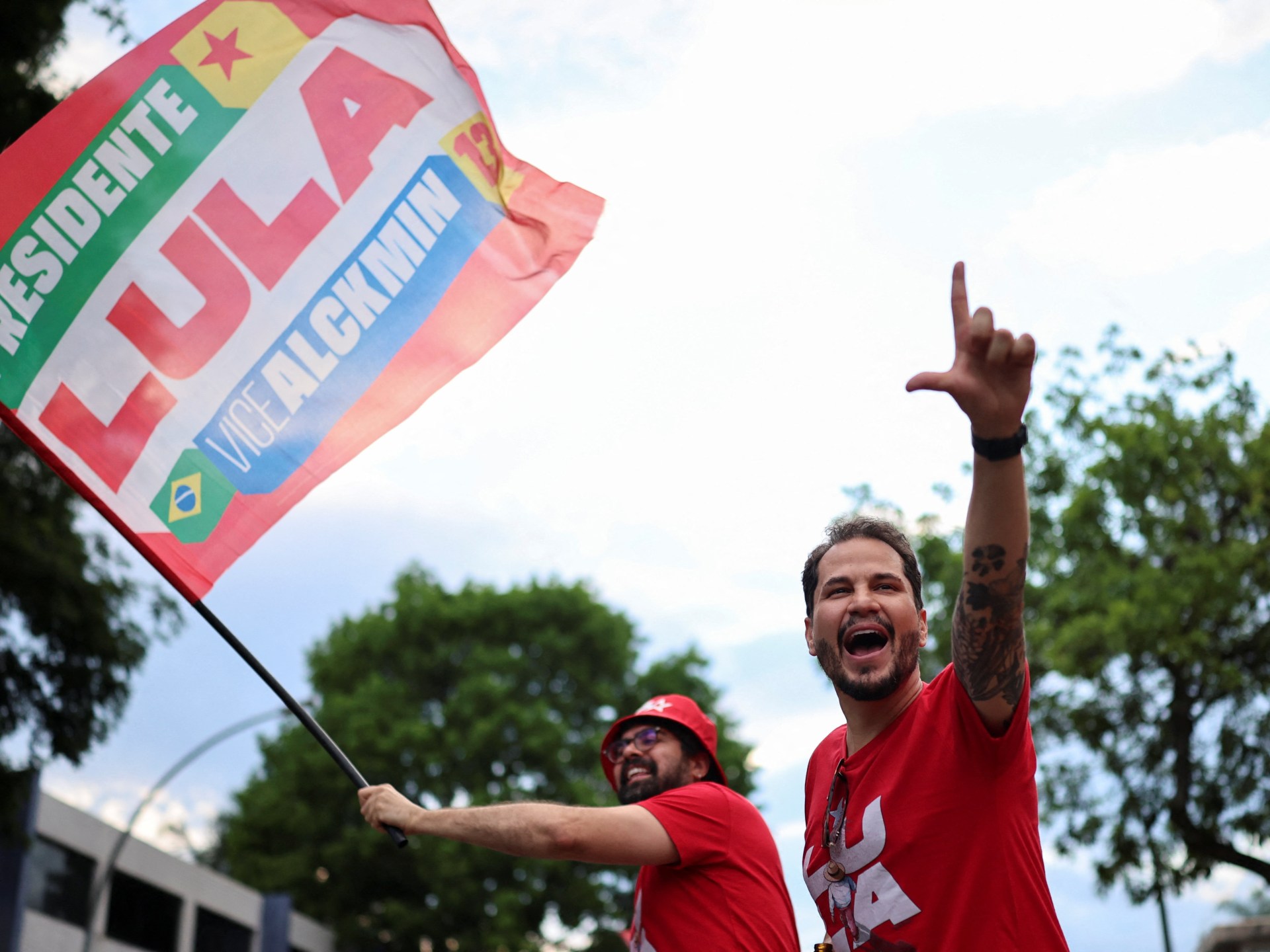
Geopolitical & Core Developments
As Latin America experiences a profound political realignment characterized by the resurgence of conservative and far-right movements, Brazilian President Luiz Inacio Lula da Silva occupies an increasingly pivotal role on the continental stage. Once dominating a region led by progressive administrations during the early 2000s, the contemporary left now finds its continental influence heavily contested by emerging nationalist and free-market leaders across key South American economies. Lula's administration in Brasília has transformed into the primary diplomatic and ideological bastion for progressivism, attempting to forge regional solidarity through multilateral forums such as Mercosur and the Community of Latin American and Caribbean States (CELAC).
However, this political polarization has introduced severe friction into regional governance. Ideological divergence between Brazil and its neighbors complicates unified responses to transnational security challenges, migration crises, and environmental governance in the Amazon basin. Strategic stakes are exceptionally high, as Brasilia attempts to maintain regional stability while navigating domestic political pressures from a robust and organized conservative opposition within its own national legislature. The outcome of this political tug-of-war will redefine the institutional architecture of South America for decades, dictating whether the region pursues deeper multilateral integration or fractures along nationalist ideological lines.
Global Trade & Economic Ripples
Beyond domestic politics and regional diplomacy, the ideological polarization sweeping Latin America directly impacts global commodity markets and international trade routes. Brazil is an indispensable powerhouse in global agricultural supply chains, serving as a primary exporter of soybeans, iron ore, beef, and cellulose, alongside its critical role in global energy transition minerals. Shifts in political leadership across the continent frequently translate into volatile regulatory frameworks, altering export tariffs, environmental compliance mandates, and foreign direct investment inflows.
Furthermore, the ideological trajectory of South America influences international shipping lanes and bilateral trade agreements. Right-wing administrations typically prioritize bilateral free-trade pacts with Western economies and the United States, whereas Lula's administration emphasizes multilateralism, active participation in the BRICS bloc, and strategic commercial balancing between Western markets and Asian industrial powerhouses. Any disruption in regional stability or policy continuity threatens to introduce friction into global supply chains, affecting commodity pricing for agricultural futures and exacerbating inflationary pressures across importing nations in Europe and Asia.
Related Intelligence: Spanish Housing Crisis Sparks National Unrest and Political Instability
International Reactions & Diplomatic Stances
Global capitals and multilateral organizations are monitoring the ideological friction in Latin America with cautious apprehension. Washington watches closely to ensure that Brazil's independent foreign policy and leadership within the BRICS framework do not undermine traditional hemispheric security partnerships. Meanwhile, European Union officials have tied prospective trade agreements, particularly the long-delayed EU-Mercosur pact, to stringent environmental and governance standards, placing demands on Brasilia to balance developmental priorities with ecological preservation.
Market analysts and credit rating agencies warn that deepening political fragmentation across Latin America could increase sovereign risk premiums and destabilize regional currencies, including the Brazilian real. International financial institutions underscore that policy unpredictability resulting from ideological oscillations deters essential capital investments in critical infrastructure, renewable energy projects, and logistics networks vital for international commerce.
Strategic Outlook & Future Scenarios
Looking ahead, the geopolitical trajectory of Latin America will likely be determined by upcoming electoral cycles and the economic performance of progressive versus conservative governments. Should Lula succeed in stabilizing regional integration and demonstrating tangible socioeconomic progress, the global left may find a renewed blueprint for governance. Conversely, a continued right-wing surge could accelerate market-oriented reforms but risk heightened social unrest and geopolitical fragmentation.
Upcoming international summits, including G20 meetings and global climate conferences, will serve as critical diplomatic arenas where South American leaders must articulate their long-term strategic visions. The capacity of Brazil to bridge ideological divides will ultimately dictate whether Latin America emerges as a cohesive economic bloc or remains a fractured theater of geopolitical competition.
Join Our Official WhatsApp Channel
Receive live commodity alerts, policy changes, and commercial intelligence directly on WhatsApp.