
Kyiv Bridge Struck in Drone Raid as German Chancellor Visits
A high-profile drone attack strikes Kyiv's Northern Bridge during a surprise visit by German Chancellor Olaf Scholz, intensifying regional security anxieties and commercial risks across Eastern European supply corridors.
Geopolitical & Core Developments
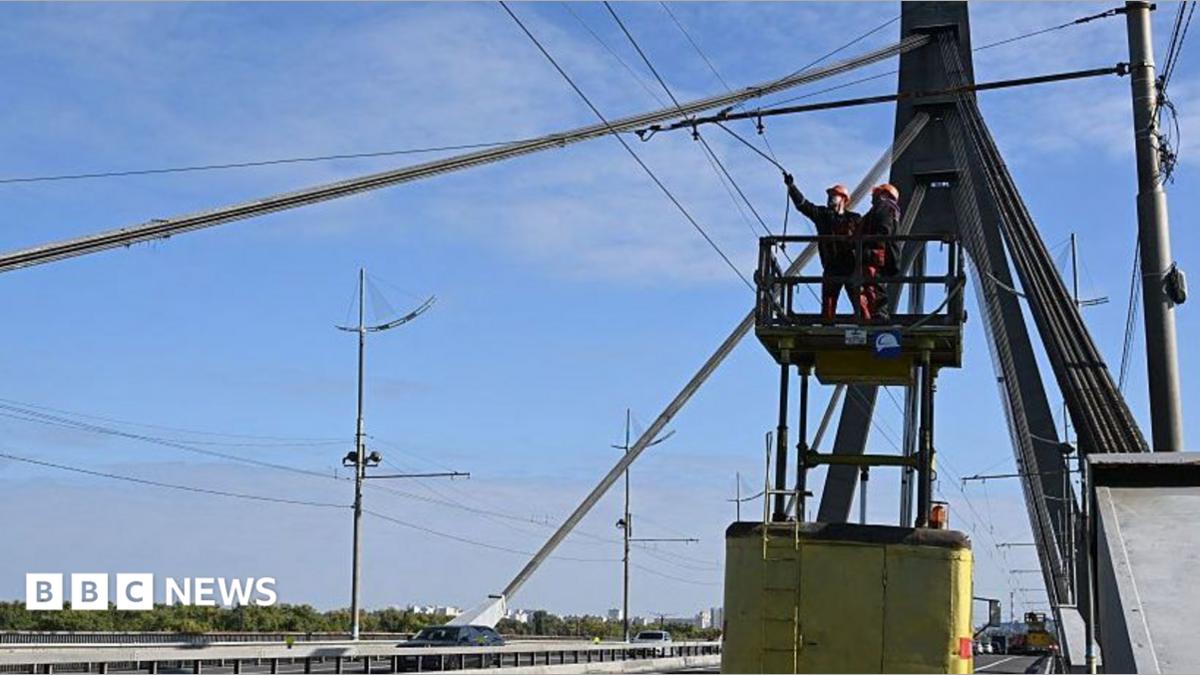
The ongoing conflict in Eastern Europe reached a stark visual and strategic milestone as unverified video footage emerged depicting a drone striking Kyiv's critical Northern Bridge while civilian vehicles traversed the span. This brazen attack on vital municipal infrastructure underscores the persistent vulnerability of urban transit arteries in the Ukrainian capital despite advanced air defense integration. The timing of the strike coincides with a high-stakes, unannounced diplomatic mission to Kyiv by German Chancellor Olaf Scholz, underscoring the acute security risks faced by visiting international leaders and highlighting the relentless nature of aerial bombardments targeting core logistical networks.
Chancellor Scholz's visit was intended to signal unwavering Berlin-backed solidarity and deliver renewed commitments regarding heavy weaponry and air defense systems. However, the concurrent drone strike served as a visceral reminder of the fragility on the ground. State actors and military analysts view such targeted infrastructure assaults as deliberate attempts to paralyze domestic mobility, demoralize the civilian population, and disrupt the command-and-control logistics required to sustain defensive operations along the sprawling frontlines. The incident immediately prompted emergency protocols across municipal services in Kyiv, halting temporary transit and triggering widespread air raid sirens across the broader metropolitan area.
Global Trade & Economic Ripples
Beyond the immediate humanitarian and security concerns, continuous assaults on Ukrainian transport hubs carry profound implications for global trade, agricultural logistics, and commodity pricing. Ukraine remains a vital supplier of agricultural staples, steel, and industrial raw materials to international markets. The degradation of bridges, rail links, and port infrastructure systematically introduces severe friction into global supply chains, inflating insurance premiums for regional shipping and driving up freight costs across the Black Sea and overland European corridors.
Energy markets reacted with jittery sensitivity to the escalation. Although direct infrastructural hits have primarily targeted localized transit nodes rather than major cross-border energy pipelines in this specific instance, the psychological impact on European energy traders remains palpable. Persistent geopolitical instability in the region continually threatens to spark secondary price shocks in natural gas and electricity futures. Furthermore, international logistics firms operating in Eastern Europe are forced to continually recalibrate risk assessments, rerouting cargo and incurring extended transit times that ultimately trickle down to consumer price indexes globally.
Related Intelligence: US Arrests Spotlight Global Herbal Supplement Supply Chains and Regulatory Loopholes
International Reactions & Diplomatic Stances
Official responses from multilateral bodies and Western capitals were swift, condemning the intensification of infrastructure targeting. Representatives from the United Nations reiterated calls for the absolute protection of civilian populations and critical non-military infrastructure under international humanitarian law. Meanwhile, European Union officials rallied around Chancellor Scholz's defiant stance in Kyiv, signaling that diplomatic resolve and financial assistance packages will not be deterred by acts of targeted intimidation.
Market analysts and geopolitical risk consultancies noted that the simultaneous occurrence of high-level diplomacy and kinetic escalation complicates diplomatic calculus. While Western allies interpret the strike as a sign of desperation by aggressor forces, skeptics warn that protracted infrastructure degradation risks fatiguing donor nations and complicating future reconstruction financing initiatives. The international community remains locked in a delicate balancing act, attempting to supply robust military deterrents while preventing an uncontrolled escalation that could severely destabilize wider European commerce.
Strategic Outlook & Future Scenarios
Looking ahead, the trajectory of the conflict points toward sustained friction over critical infrastructure ownership and defense. Upcoming international summits, including forthcoming G7 and NATO consultations, are expected to heavily feature discussions on fortifying Ukrainian airspace and accelerating the deployment of advanced electronic warfare countermeasures to neutralize drone threats.
Sanctions regimes are anticipated to tighten further, focusing specifically on transnational supply networks that facilitate the procurement of drone components and dual-use technology. As geopolitical fault lines harden, commercial stakeholders across global commodity markets must price in a protracted period of high volatility, adapting to structural shifts in regional trade routes and preparing for potential secondary economic repercussions as the conflict enters its next critical phase.
Join Our Official WhatsApp Channel
Receive live commodity alerts, policy changes, and commercial intelligence directly on WhatsApp.