
Brazil Decides: Lula and Bolsonaro Face Off in High-Stakes Presidential Election
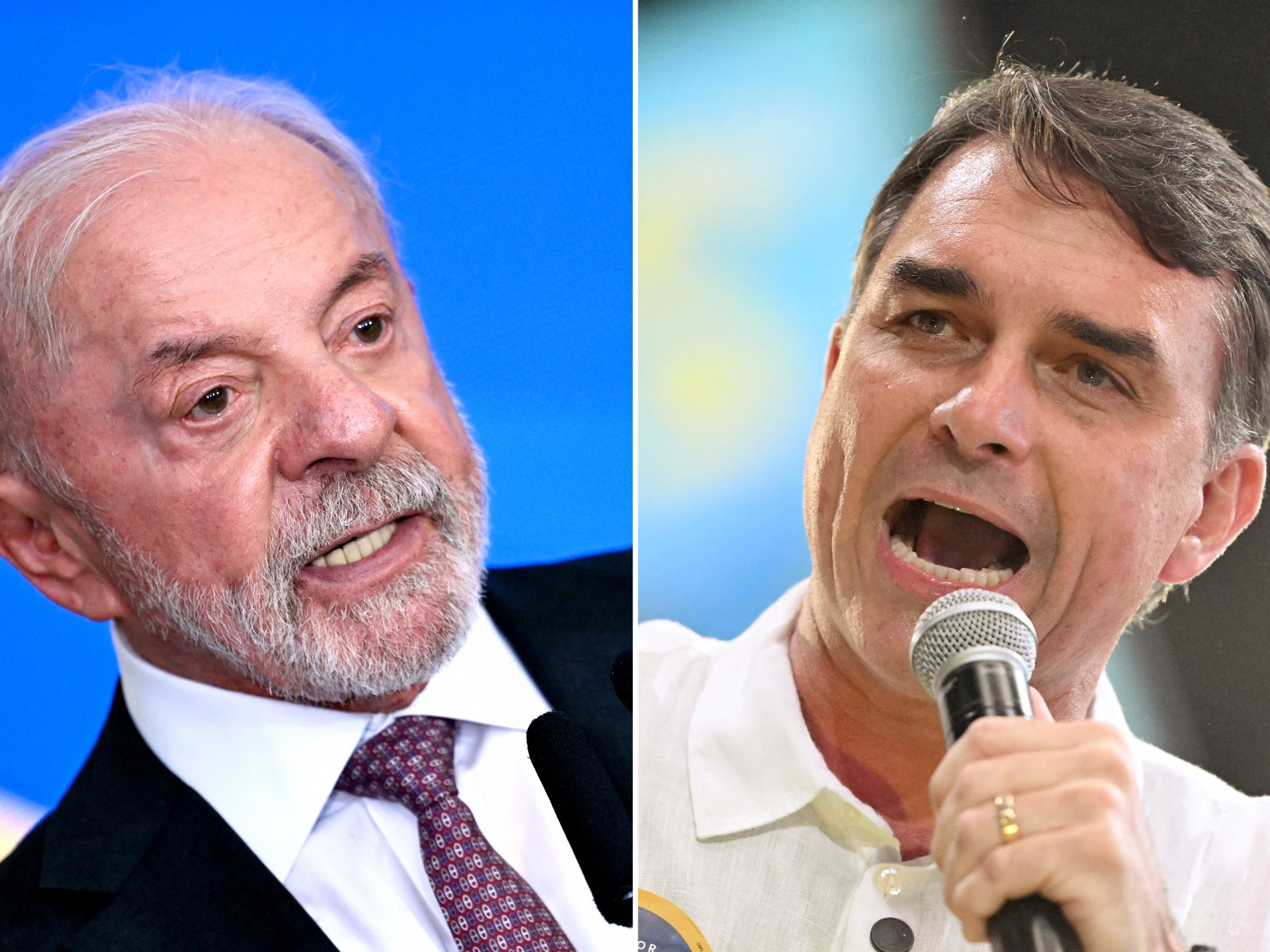
Brazil enters a critical electoral showdown as leftist leader Lula da Silva vies for a historic return to power against formidable conservative opposition, setting the stage for major geopolitical and economic repercussions.
Geopolitical & Core Developments
Brazil has reached a pivotal juncture in its modern political history as voters cast their ballots in a fiercely contested presidential election. Leftist icon and former President Luiz Inacio Lula da Silva is mounting a historic campaign for a fourth term, confronting formidable conservative opposition. The electoral contest has laid bare deep ideological divides within the Latin American powerhouse, transforming the ballot box into a referendum on democracy, institutional stability, and the nation's future trajectory on the world stage.
The campaign has been characterized by intense polarization, unprecedented levels of political mobilization, and intense scrutiny from international observers. State actors across the Americas and Europe are closely watching the proceedings, recognizing that Brazil's democratic resilience and governance model set the tone for regional stability. The strategic stakes extend far beyond domestic policy, directly influencing international coalitions, environmental diplomacy, and South America's geopolitical alignment in an increasingly fragmented global order.
Global Trade & Economic Ripples
As Latin America's largest economy, Brazil's political transition holds immediate consequences for global trade networks, commodity pricing, and foreign investment flows. International markets are particularly sensitive to potential shifts in fiscal governance, privatization initiatives, and agricultural export policies. Brazil remains a titan in the global production of soybeans, iron ore, beef, and coffee, meaning any disruption or policy pivot under a new administration instantly reverberates through international supply chains and commodity exchanges.
Furthermore, currency valuations—specifically the Brazilian Real—face heightened volatility as foreign exchange traders price in electoral outcomes. Energy markets and multinational corporations operating in the agribusiness and mining sectors are preparing for divergent regulatory environments. A victory for Lula could signal renewed emphasis on state-directed economic development and stringent environmental compliance, whereas conservative factions advocate for market deregulation and expanded resource extraction, altering the calculus for global trade partners from Beijing to Brussels.
Related Intelligence: US Arrests Spotlight Global Herbal Supplement Supply Chains and Regulatory Loopholes
International Reactions & Diplomatic Stances
Global capitals and multilateral organizations have maintained a vigilant watch over the Brazilian electoral process, emphasizing the paramount importance of transparency and the peaceful transfer of power. The United Nations and regional bodies such as the Organization of American States have deployed electoral observation missions to safeguard the integrity of the vote, reflecting the global significance of Latin America's premier democracy.
Market analysts and financial institutions have issued comprehensive advisory notes to international investors, highlighting the delicate balance between sovereign economic autonomy and global integration. European Union trade negotiators are similarly monitoring the election with an eye toward the ratification of stalled trade agreements, where environmental governance standards and deforestation policies remain key sticking points in bilateral diplomacy.
Strategic Outlook & Future Scenarios
Looking ahead, the trajectory of Brazil's foreign policy and economic strategy will hinge heavily on the legislative landscape that emerges alongside the presidency. Regardless of the victor, the incoming administration will face the daunting task of bridging a deeply fractured electorate while navigating complex macroeconomic headwinds, inflation pressures, and global supply chain realignments.
Upcoming international summits will provide the first major diplomatic test for Brazil's new leader, particularly regarding climate commitments, multilateral trade pacts, and South American integration. Whether Brazil pursues a path of assertive environmental leadership and regional coalition-building or shifts toward bilateral pragmatism will redefine its geopolitical leverage and commercial standing for the remainder of the decade.
Join Our Official WhatsApp Channel
Receive live commodity alerts, policy changes, and commercial intelligence directly on WhatsApp.