
Kremlin Consolidates Power Post-Election as Commodity Markets Brace for Escalation
Vladimir Putin's electoral victory provides the Kremlin with consolidated domestic authority, signaling an unyielding continuation of its military strategy and triggering renewed anxieties across global commodity and energy markets.
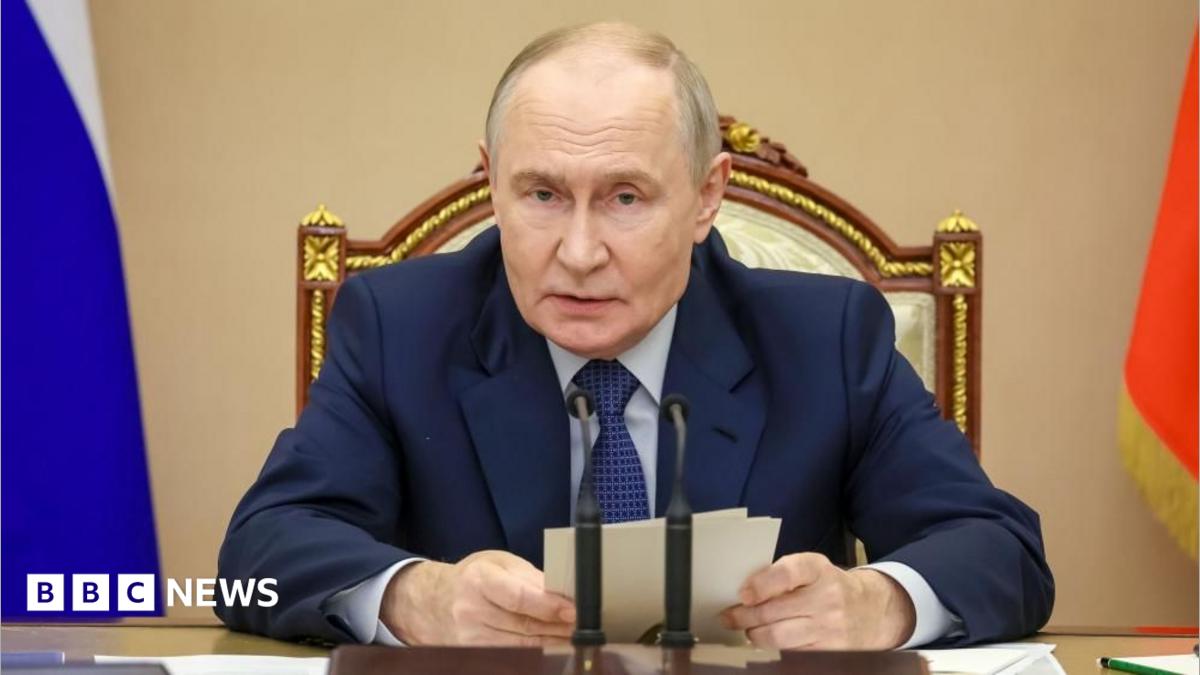
Geopolitical & Core Developments
The recent conclusion of Russia's presidential election, which delivered an expected and overwhelming mandate to incumbent President Vladimir Putin, marks a pivotal juncture in contemporary European security and international relations. While international observers and Western capitals widely characterized the electoral process as lacking genuine political competition, the domestic political reality inside Moscow is one of absolute consolidation. For the Kremlin, the engineered outcome serves a dual strategic purpose: silencing internal dissent and manufacturing a powerful domestic consensus in favor of what Moscow officially terms the special military operation in Ukraine.
With his political primacy unchallenged for another six-year term, President Putin is positioned to prosecute the conflict with sustained administrative and societal backing. The timeline of the campaign indicates no immediate diplomatic off-ramps. Instead, Russian state apparatuses are pivoting toward deeper economic and military mobilization. Strategic stakes have thus been elevated for NATO members and European security architectures, as Moscow signals its preparedness for a long-term war of attrition against both Ukraine and the broader Western sanctions coalition.
Global Trade & Economic Ripples
The political solidification in Moscow carries immediate repercussions for international trade, global commodity pricing, and trans-continental supply chains. Energy markets, which have spent the past two years adapting to a fragmented global architecture, are bracing for a fresh wave of disruptions. With the Kremlin's mandate secured, European and Asian energy desks anticipate tighter enforcement of existing petroleum price caps and potential retaliatory export curbs from Moscow on critical industrial inputs.
Global shipping lanes, particularly across the Black Sea corridor and through key Eurasian transit routes, remain acutely vulnerable to geopolitical posturing. Insurance premiums for maritime cargo navigating Russian and Ukrainian perimeters are projected to surge, exerting inflationary pressures on bulk commodities, fertilizers, and agricultural staples such as wheat. Furthermore, the decoupling of Russian financial networks from Western clearing houses continues to accelerate alternative bilateral trade settlements, reshaping foreign exchange dynamics and testing the resilience of non-dollar trade mechanisms among emerging market economies.
Related Intelligence: Qatar Warns of Regional Earthquake Amid US-Israel Conflict with Iran
International Reactions & Diplomatic Stances
Global diplomatic fallout was swift, underscored by sharp divisions between Western nations and the Global South. Western capitals, including Washington, London, and Brussels, reiterated their non-recognition of the electoral legitimacy within occupied Ukrainian territories while condemning the domestic suppression of political opposition. United Nations representatives emphasized the necessity of upholding international humanitarian law, though multilateral bodies remain structurally deadlocked by veto dynamics within the Security Council.
Conversely, key non-Western partners—most notably Beijing and New Delhi—emphasized continuity in bilateral trade and strategic partnership. Commodity analysts note that these divergent official stances underline a deepening fragmentation in the global economic order. While G7 economies prepare an intensified package of secondary sanctions targeting illicit maritime shipping fleets and financial intermediaries, emerging trading partners continue to absorb discounted Russian hydrocarbons, sustaining critical revenue streams for the federal budget in Moscow.
Strategic Outlook & Future Scenarios
Looking toward the medium term, the trajectory of international affairs will likely be defined by a hardening of geopolitical blocs and heightened economic warfare. Upcoming multilateral summits, including forthcoming G20 ministerial meetings and regional security dialogues, are expected to serve as diplomatic battlegrounds over sanctions enforcement and food security initiatives.
For global traders and multinational corporations, the primary risk involves potential secondary sanctions and sudden regulatory shifts targeting logistics and banking sectors. As the Kremlin leverages its electoral mandate to institutionalize wartime economic policies, the global marketplace must prepare for an extended era of structural uncertainty, elevated commodity price baselines, and permanent alterations to traditional trade corridors.
Join Our Official WhatsApp Channel
Receive live commodity alerts, policy changes, and commercial intelligence directly on WhatsApp.