
Qatar Warns of Regional Earthquake Amid US-Israel Conflict with Iran
Addressing the United Nations, Qatar's Prime Minister warned that escalating US-Israel hostilities with Iran constitute a geopolitical earthquake, prompting a major strategic overhaul of national investment policies.
Geopolitical & Core Developments
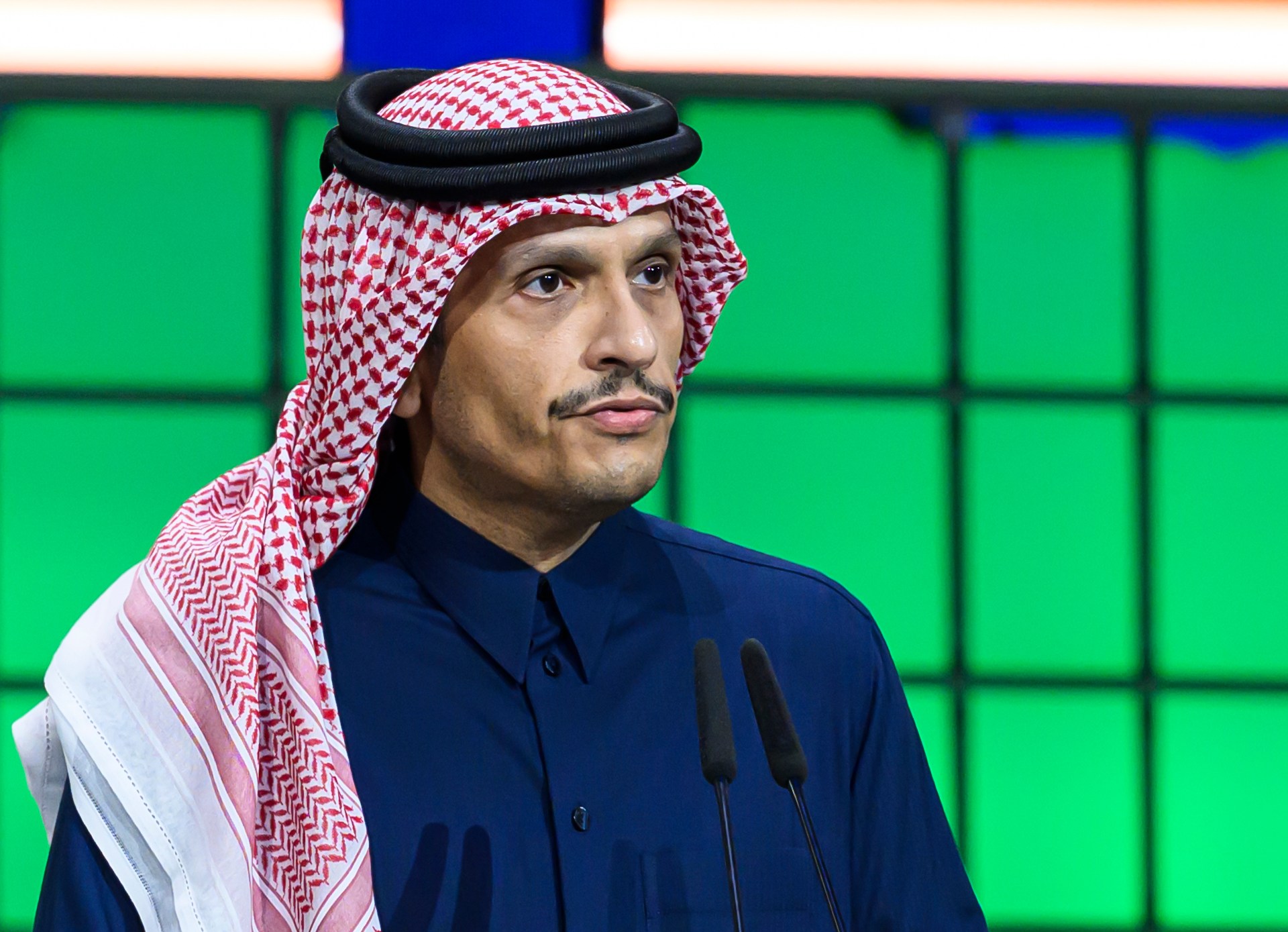
Speaking before the United Nations General Assembly in New York, Qatari Prime Minister and Minister of Foreign Affairs Sheikh Mohammed bin Abdulrahman Al Thani delivered a stark assessment of the escalating hostilities between the United States, Israel, and Iran. Characterizing the widening regional fallout as an "earthquake," Sheikh Mohammed emphasized that the ongoing military confrontations pose a fundamental threat to the security architecture of the Middle East. The Prime Minister underscored that traditional diplomatic frameworks are proving inadequate in de-escalating tensions, which have expanded far beyond localized skirmishes into a systemic geopolitical crisis. State actors across the region are increasingly forced to navigate polarized alliances, while diplomatic channels face unprecedented strain as retaliatory cycles threaten to spiral out of control.
In tandem with his security warnings, Sheikh Mohammed announced a pivotal shift in Qatar's national investment strategy. For decades, Doha has deployed its vast sovereign wealth into high-risk, high-reward international markets and regional infrastructure projects. However, the escalating specter of a wider regional conflagration has forced a strategic pivot toward risk mitigation. The revised investment framework prioritizes capital preservation, liquidity enhancement, and diversification into asset classes insulated from Middle Eastern geopolitical turbulence. This structural realignment marks a watershed moment for one of the world's most influential sovereign wealth portfolios, signaling a broader retreat of Gulf capital from volatile zones toward safer, OECD-aligned economies.
Global Trade & Economic Ripples
The reverberations of the US-Israel-Iran confrontation extend deep into global commodity markets, particularly affecting international energy trade. The Persian Gulf remains the circulatory system of the global energy supply, housing critical chokepoints such as the Strait of Hormuz. Any kinetic escalation involving Iran instantly injects a formidable risk premium into crude oil and liquefied natural gas (LNG) benchmarks. As a premier global exporter of LNG, Qatar finds its maritime logistics and export infrastructure under heightened scrutiny. Global shipping lines are being forced to recalculate voyages, bypass high-risk zones, and absorb soaring insurance premiums, which in turn cascades into inflationary pressures across manufacturing and consumer sectors worldwide.
Beyond hydrocarbons, the conflict threatens vital supply chains connecting Asian manufacturing hubs with European consumer markets via the Middle Eastern corridor. International trade financiers are re-evaluating risk exposure across the entire Gulf Cooperation Council region. Currency values, particularly regional pegged currencies and emerging market equities tied to commodity flows, are experiencing heightened volatility. Central banks globally are monitoring these developments closely, cognizant that prolonged disruptions in energy transit could derail post-inflationary economic stabilization efforts and suppress global trade volumes.
Related Intelligence: France Summons Iranian Envoy Following Closure of Tehran Language Centre
International Reactions & Diplomatic Stances
The international community has responded to Qatar's sobering assessment with profound concern, though reactions remain fractured along geopolitical lines. Officials at the United Nations have amplified calls for immediate ceasefires and renewed multilateral dialogue, warning that the humanitarian and economic toll of a prolonged regional war would be catastrophic. Western allies have reiterated their commitment to Israel's security while simultaneously urging restraint to prevent a catastrophic regional conflagration. Meanwhile, emerging market economies dependent on Middle Eastern energy imports have expressed deep apprehension regarding potential supply shocks, urging major powers to prioritize diplomatic engagement over military posturing.
Market analysts and geopolitical risk rating agencies have quickly adjusted their baseline forecasts following Sheikh Mohammed's UNGA address. Institutional investors are pricing in a prolonged period of elevated geopolitical risk, shifting capital away from exposed equities into safe-haven assets such as gold and US Treasury bonds. Multilateral bodies, including the International Monetary Fund and the World Bank, are currently revising their global growth projections downward, citing the compounding threats of fragmented trade corridors and volatile energy pricing driven by Middle Eastern instability.
Strategic Outlook & Future Scenarios
Looking ahead, the trajectory of the US-Israel-Iran standoff will dictate the rhythm of global economic and diplomatic engagements for the foreseeable future. Upcoming international summits will likely be dominated by urgent caucuses aimed at establishing maritime security corridors and emergency energy sharing agreements. Sanctions regimes against Iran are expected to tighten further, potentially closing loopholes exploited by international traders and adding compliance burdens to multinational corporations operating in adjacent markets.
Geopolitical escalation points remain precariously active, with cyber warfare, proxy engagements, and direct kinetic exchanges threatening to trigger accidental overreach. For global enterprises and commodity traders, the mandate moving forward is absolute agility. Supply chain resilience, multi-hub sourcing, and robust risk hedging will no longer be supplementary strategies but essential operational requirements in an era defined by structural geopolitical instability.
Join Our Official WhatsApp Channel
Receive live commodity alerts, policy changes, and commercial intelligence directly on WhatsApp.