
KP Chief Minister Offers Federal Talks Following Islamabad March Postponement
Khyber Pakhtunkhwa's Chief Minister has offered dialogue with federal authorities following PTI's decision to defer its Islamabad protest, raising hopes for reduced political friction and improved macroeconomic stability.
The Core Development
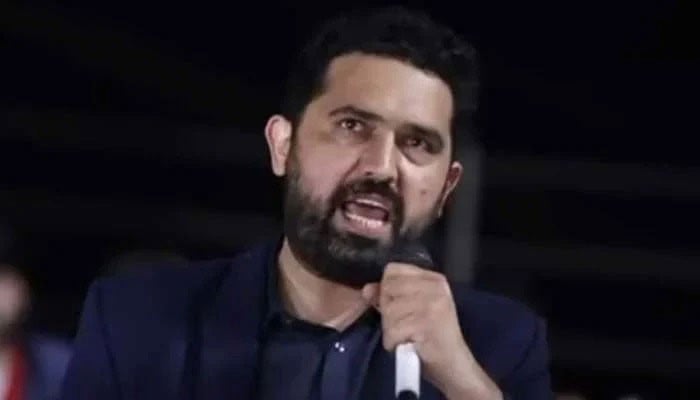
In a significant political pivot that could ease months of persistent civil friction, Khyber Pakhtunkhwa Chief Minister has formally extended an offer of talks to the federal government. This diplomatic overture follows directly on the heels of Pakistan Tehreek-e-Insaf (PTI) announcing the postponement of its high-stakes Islamabad march. The convergence of these developments marks a potential de-escalation in the capital-versus-province dynamic that has dominated headlines across Pakistan for months.
The decision to defer the protest march, initially slated to paralyze key government corridors in Islamabad, has provided an immediate window for backchannel diplomacy. Political analysts note that administrative pressure, combined with mounting economic imperatives, created a conducive environment for leadership on both sides to reconsider confrontation in favor of structured dialogue. Provincial authorities have indicated readiness to discuss legislative and administrative grievances through constitutional channels, provided the federal administration reciprocates with good-faith confidence-building measures.
Commercial & Economic Implications
For Pakistan's fragile economy, the easing of political hostility carries profound commercial weight. Prolonged political uncertainty, recurring containerized blockades of major national highways, and capital city lockdowns have historically dealt severe blows to retail trade and wholesale distribution networks originating from Punjab and Khyber Pakhtunkhwa. Supply chain disruptions have routinely inflated logistics costs, ultimately translating into higher consumer prices and exacerbating inflationary pressures on essential commodities.
A sustained political thaw directly impacts market sentiment. Wholesale traders in major urban centers like Peshawar, Rawalpindi, and Lahore depend heavily on unhindered inter-provincial transit corridors. When political tensions boil over into civil unrest, transit times double, perishable goods spoil in stationary trucks, and commercial credit tightens. The postponement of the march and the subsequent offer for talks offer a stabilizing anchor for currency markets, investor confidence, and retail activity, dampening speculative price spikes driven by supply chain paranoia.
Related Intelligence: Deadly DI Khan Blast Threatens Trade Routes and Security
Stakeholder Perspectives & Market Reactions
Business councils, chambers of commerce, and retail associations have responded to the political shift with cautious optimism. Representatives from the Sarhad Chamber of Commerce and Industry noted that commercial life in the northwestern region cannot endure continuous disruptions without catastrophic business closures and workforce layoffs. Industry leaders have long advocated for a permanent separation of economic corridors from partisan political maneuvering, emphasizing that national trade routes must remain inviolable regardless of the political climate.
Legal experts and constitutional scholars have similarly welcomed the shift toward dialogue, arguing that legislative friction must be resolved within parliamentary forums rather than through street agitation. Public response, while fatigued by persistent polarization, reflects a strong underlying desire for normalcy, enabling citizens to focus on livelihood security amid lingering macroeconomic challenges.
Forward Outlook & Key Watchpoints
As political actors transition from confrontation to negotiation, market participants and policy observers are closely watching several critical milestones over the coming weeks. The primary test of this new diplomatic trajectory will be whether formal agenda items are established between federal ministries and provincial representatives regarding administrative autonomy, financial resource allocation, and electoral grievances.
Key watchpoints for the business community include the resumption of uninterrupted freight movement along the Grand Trunk Road and motorway networks, stabilization of retail commodity prices, and any subsequent legislative agreements emerging from the proposed talks. Should these negotiations yield concrete administrative accords, Pakistan may witness a sustained period of reduced commercial volatility, allowing merchants and investors to plan with renewed confidence.
Join Our Official WhatsApp Channel
Receive live commodity alerts, policy changes, and commercial intelligence directly on WhatsApp.