
Security Forces Neutralize Ten Militants in Khyber Pakhtunkhwa Operations
Pakistan security forces neutralized ten foreign-backed militants in Khyber Pakhtunkhwa intelligence-based operations, reinforcing regional security along strategic transport corridors amid intensified counter-insurgency measures.
The Core Development
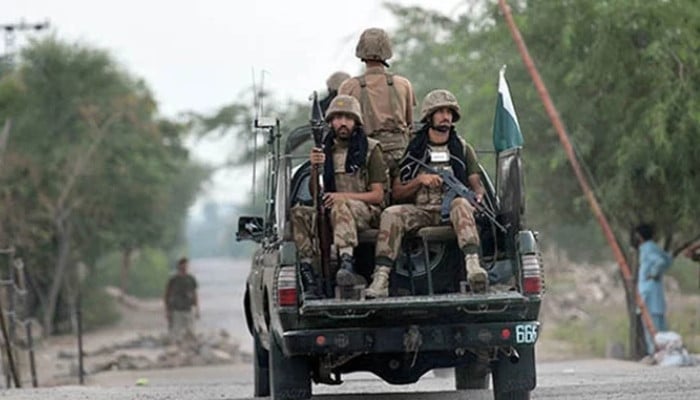
In a series of coordinated intelligence-based operations, Pakistan security forces neutralized ten militants across strategic sectors in Khyber Pakhtunkhwa, the Inter-Services Public Relations confirmed in an official communique. The targeted missions, executed following precise actionable intelligence regarding hostile reconnaissance and impending subversive activities, focused on disrupting militant clusters operating with external sponsorship.
According to military authorities, an intense exchange of fire occurred during the sanitization maneuvers, leading to the liquidation of key operative cells involved in targeted killings, extortion, and attacks against public infrastructure and law enforcement personnel. Combat units recovered substantial caches of automatic weaponry, improvised explosive devices, and communication equipment from the neutralized hideouts. The armed forces reaffirmed their determination to eliminate state-sponsored asymmetric proxy elements and dismantle foreign-backed networks seeking to destabilize the frontier province.
Commercial & Economic Implications
While kinetic counter-terrorism actions safeguard national sovereignty, the intensification of operations across Khyber Pakhtunkhwa carries immediate operational consequences for Pakistan trade logistics and regional distribution networks. Khyber Pakhtunkhwa serves as the pivotal geographic conduit linking domestic manufacturing belts in Punjab and maritime terminals in Sindh to northern border corridors connecting Afghanistan and Central Asian Republics.
For wholesale distributors, bulk logistics providers, and commercial trading entities, security friction along secondary and tertiary transit routes prompts elevated operational expenditures. Transporters frequently encounter intensified highway security checks, intermittent route restrictions, and heightened vehicle scrutiny near operational districts. These interruptions inevitably translate into higher freight tariffs, increased insurance premiums for high-value cargo, and localized delivery delays. When supply chains experience temporary latency, spot prices for perishable produce, edible oils, construction aggregates, and basic fast-moving consumer goods face short-term upward pressure across northern and western consumer markets.
Related Intelligence: Kohat Blast Injures Over 20, Raising Security and Trade Concerns
Stakeholder Perspectives & Market Reactions
Regional business federations, including commercial chambers across Peshawar, Bannu, and Dera Ismail Khan, have voiced support for long-term counter-terror stability while highlighting the operational vulnerabilities faced by merchant communities. Representatives from the Khyber Chamber of Commerce and Industry noted that sustained peace is an indispensable prerequisite for industrial revival and foreign investment in the province mineral, agricultural, and trade sectors.
Simultaneously, logistics and transport unions have urged provincial authorities to optimize security checkpoints through digital scanning and streamlined verification mechanisms to prevent bottlenecks along critical arterial highways, such as the Indus Highway and regional bypasses. Financial analysts and corporate risk consultants emphasize that eliminating insurgent safe havens protects national infrastructure investments, including the China-Pakistan Economic Corridor Western alignment, thereby preserving macroeconomic confidence over the broader fiscal horizon.
Forward Outlook & Key Watchpoints
The military ongoing clearance and sanitization drives indicate that intelligence-driven counter-terrorism postures will remain elevated across Khyber Pakhtunkhwa over the medium term. Commercial stakeholders must monitor security advisories and transit schedules across designated operational districts to hedge against supply chain volatility.
Key watchpoints in the coming quarters include the operational continuity of major border terminals such as Torkham and Ghulam Khan, the pace of administrative consolidation in border regions, and the implementation of enhanced border management protocols to curb illicit cross-border movements. Maintaining uninterrupted commercial transport corridors while executing necessary kinetic sweeps will be essential to balancing regional economic vitality with national security mandates.
Join Our Official WhatsApp Channel
Receive live commodity alerts, policy changes, and commercial intelligence directly on WhatsApp.