
Macron Warns of Escalating Russian Hybrid Warfare Against Critical Infrastructure
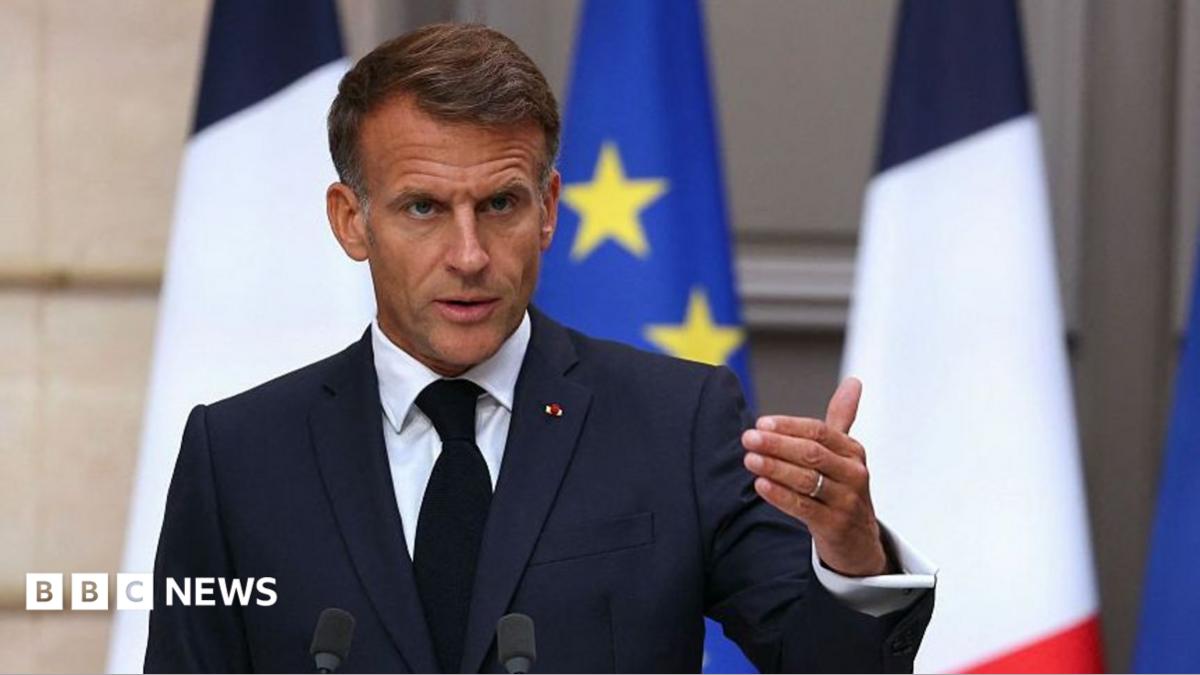
French President Emmanuel Macron has ordered heightened security across national infrastructure and defense sites, warning that state-backed Russian hybrid attacks against European targets are escalating in frequency and sophistication.
Geopolitical & Core Developments
French President Emmanuel Macron has formally sounded the alarm over a sharp escalation in Russian hybrid warfare, instructing his government to deploy heightened protective protocols across critical infrastructure and defense manufacturing hubs. Addressing senior defense officials, Macron emphasized that state-directed subversive operations orchestrated by Moscow have transitioned from peripheral digital harassment into systematic attempts to destabilize Western European operational capabilities.
Over recent months, security services across the continent have documented an aggressive expansion of gray-zone activities. These operations encompass state-sponsored cyber offensives on government ministries, attempted sabotage of munitions manufacturing complexes in Germany and Poland, unexplained fires at commercial logistics facilities in the United Kingdom, and persistent electromagnetic jamming targeting commercial aviation and maritime positioning systems in the Baltic region. Paris has assessed that these operations are specifically designed to undermine domestic support for Ukraine, exploit institutional fault lines, and test the thresholds of collective Western defense without crossing the overt threshold of armed aggression.
Global Trade & Economic Ripples
The expansion of hybrid warfare tactics introduces substantial headwinds for European commercial operations and international trade corridors. Heightened threat levels across subsea energy conduits, liquefied natural gas (LNG) regasification terminals, and offshore power transmission grids have forced state utilities and private operators to divert capital expenditures into physical and digital defense architectures.
Maritime supply chains are experiencing immediate operational frictions. Widespread GPS spoofing and electronic warfare interference in the Baltic and North Seas have compromised navigational precision, compelling commercial shippers to alter transit corridors and implement redundant navigational frameworks. Consequently, maritime underwriters are revising risk assessments, leading to rising insurance premiums for critical infrastructure, energy carriage, and dual-use cargo transit across North-Western Europe. Furthermore, defense manufacturing supply chains face heightened compliance and surveillance mandates, raising operational costs and introducing administrative delays in industrial output.
Related Intelligence: Security Operations Neutralize Seven Terrorists Across Key Balochistan Transit Corridors
International Reactions & Diplomatic Stances
European capitals and multilateral bodies have voiced unified concern while moving to consolidate collective defense countermeasures. NATO leadership underscored that coordinated hybrid campaigns against sovereign member territory are deliberate strategic operations rather than isolated criminal episodes, reiterating that hybrid attacks can potentially reach the threshold required to invoke Article 5 collective defense consultations.
Officials in Berlin, Warsaw, and London have echoed Macron's assessment, presenting declassified intelligence detailing financial links between intercepted saboteurs and Russian military intelligence networks. The European Commission has accelerated implementation of the Critical Entities Resilience Directive, urging member states to streamline cross-border intelligence sharing and fortify vulnerability assessments. Conversely, the Kremlin has systematically dismissed European accusations as ungrounded geopolitical hysteria, accusing Western leaders of fabricating external threats to justify expanding defense budgets and sustained military aid to Kyiv.
Strategic Outlook & Future Scenarios
The trajectory of hybrid confrontation indicates a protracted, low-visibility conflict characterized by expanding targets and asymmetric disruption. In the coming months, European defense ministries and private-sector operators will focus heavily on hardening vital logistics chains, undersea communications lines, and satellite infrastructure against non-kinetic disruptions.
Upcoming diplomatic forums, including bilateral defense gatherings and the NATO summit, are poised to prioritize actionable hybrid deterrence strategies. Policymakers will likely advance targeted sanctions frameworks aimed at disrupting illicit funding mechanisms, shell companies, and intermediary criminal networks contracted by foreign intelligence services. If hybrid incursions result in catastrophic industrial disruption or loss of life, the pressure on NATO allies to retaliate via offensive cyber operations or severe diplomatic expulsions will escalate sharply, narrowing the margin between covert friction and direct confrontation.
Join Our Official WhatsApp Channel
Receive live commodity alerts, policy changes, and commercial intelligence directly on WhatsApp.