
Iran Proposes Yemen Mediation in High-Stakes Outreach to Saudi Arabia
Iranian Foreign Minister offers diplomatic mediation between Saudi Arabia and Yemen's Houthis following deadly strikes, signaling a pivotal shift in regional security dynamics and energy corridor stability.
Geopolitical & Core Developments
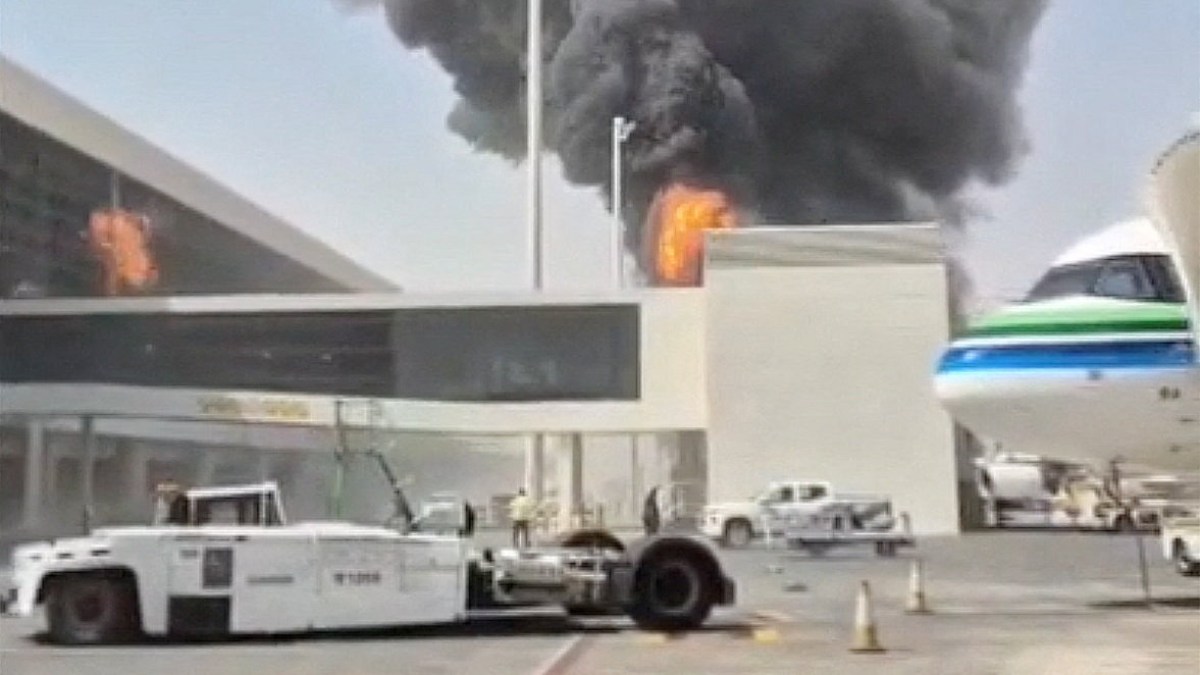
In a notable diplomatic maneuver reflecting the fluid dynamics of West Asian statecraft, Iranian leadership has stepped forward to offer formal mediation between the Kingdom of Saudi Arabia and Yemen's Houthi movement. The initiative follows a series of high-casualty strikes targeting Saudi infrastructure, heightening regional security anxieties. During a high-stakes telephone dialogue between Iranian and Saudi foreign ministers, Tehran proposed leveraging its diplomatic channels to facilitate constructive negotiations, aiming to secure a durable cessation of hostilities along the southern Arabian Peninsula.
This overture highlights a complex web of regional alignments. While Iran maintains deep strategic ties with the Houthi movement, its recent diplomatic re-engagement with Riyadh—initially brokered under Chinese auspices—has created a dual track of competition and pragmatism. State actors across the Persian Gulf are increasingly prioritizing economic stability and sovereign security over protracted proxy conflicts, creating a fragile window for mediated settlements. However, deep-seated mistrust and the decentralized nature of Yemen's internal factions mean that translating diplomatic goodwill into a sustainable ceasefire remains an arduous diplomatic undertaking.
Global Trade & Economic Ripples
For international commodity markets, particularly global energy and shipping sectors, the diplomatic signals emanating from Tehran and Riyadh carry profound implications. The security of the southern Arabian Peninsula is inextricably linked to vital maritime chokepoints, most notably the Bab el-Mandeb strait and the Red Sea shipping lanes, through which a significant share of Asia-Europe trade and petroleum transit passes.
Persistent military escalation in the region has historically triggered acute risk premiums in Brent crude futures, inflated marine war-risk insurance premiums, and forced major shipping conglomerates to reroute vessels around the Cape of Good Hope. A credible peace process facilitated by regional powers could substantially de-escalate maritime security risks, stabilize freight rate benchmarks, and alleviate supply chain bottlenecks that directly impact inflation metrics in importing nations. Conversely, any collapse in diplomatic talks risks immediate upward pressure on global energy prices and renewed vulnerability for critical maritime logistics networks.
International Reactions & Diplomatic Stances
Multilateral institutions and international observers have responded to the Iranian initiative with cautious optimism tempered by pragmatic skepticism. The United Nations special envoy for Yemen welcomed any constructive engagement capable of advancing a comprehensive political solution under UN auspices, emphasizing that lasting peace must incorporate the broader spectrum of Yemeni stakeholders.
Western capitals have monitored the diplomatic outreach closely, balancing skepticism regarding Tehran's broader regional ambitions with recognition of the urgent need to de-escalate the Yemeni conflict. Market analysts and geopolitical risk consultancies note that while Saudi Arabia remains committed to exiting its costly military entanglement in Yemen, Riyadh will demand verifiable security guarantees against cross-border projectile attacks before fully endorsing any Iranian-backed mediation framework. Multilateral bodies continue to stress that normalization of regional ties must be matched by verifiable humanitarian access and inclusive domestic dialogue within Yemen.
Strategic Outlook & Future Scenarios
Looking ahead, the trajectory of regional diplomacy will depend heavily on the sincerity and execution of the proposed mediation framework. Upcoming diplomatic summits across the Middle East will serve as vital barometers for testing whether this bilateral outreach can be institutionalized into a broader regional security architecture.
If Tehran and Riyadh successfully manage to broker a lasting accommodation in Yemen, it could pave the way for wider economic cooperation, reduced defense expenditures, and stabilized commodity flows across the Gulf basin. However, failure to secure a lasting truce risks empowering hardline factions within both state and non-state actors, potentially unleashing a new wave of military escalation. For global trade and energy markets, the coming months will require vigilant monitoring of diplomatic communiques, maritime security alerts, and the evolving posture of Persian Gulf policymakers.
Join Our Official WhatsApp Channel
Receive live commodity alerts, policy changes, and commercial intelligence directly on WhatsApp.