
Kenya Confronts Tata Chemicals Magadi Over Century-Old Operations
Kenya is challenging Tata Chemicals' century-old operations in Magadi, sparking a critical debate over resource nationalism, local labor rights, and community benefits in the global soda ash supply chain.
Geopolitical & Core Developments
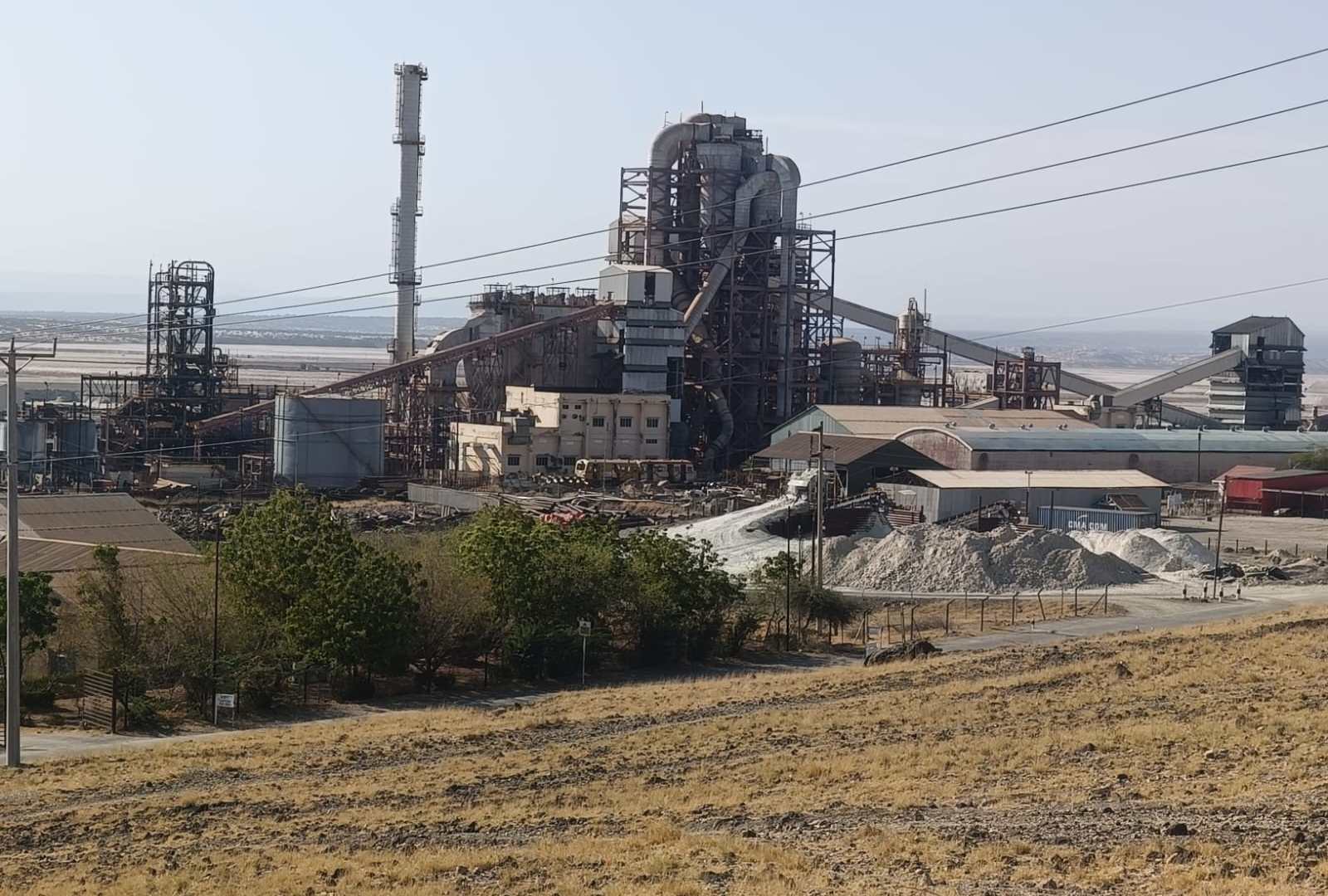
A century of industrial extraction at Lake Magadi in Kenya's Rift Valley has reached a critical juncture as local authorities and community leaders push back against the operations of Tata Chemicals Magadi, a subsidiary of the Indian multinational conglomerate. For generations, the sprawling facility has extracted trona—processed into soda ash, a vital industrial chemical used in glassmaking, detergents, and chemical manufacturing. However, the current geopolitical and economic climate across East Africa is shifting rapidly, characterized by a rising wave of resource nationalism and demands for post-colonial economic restructuring.
The friction centers on land leases, environmental stewardship, and the distribution of economic gains to the local Maasai community, who have long inhabited the arid region surrounding the lake. Kenyan lawmakers and community advocates argue that the historical agreements governing the extraction rights do not adequately reflect contemporary standards of corporate social responsibility or national wealth generation. As Nairobi reassesses its foreign direct investment frameworks, multinational corporations operating in strategic sectors find themselves under unprecedented legislative and public scrutiny, testing the delicate balance between attracting foreign capital and satisfying domestic demands for sovereignty and equity.
[Global Trade](/news/trump-xi-jinping-us-summit-global-trade-geopolitics) & Economic Ripples
While Lake Magadi represents a localized extraction point, the friction in Kenya carries significant implications for global commodity markets, particularly the international supply chain for soda ash. Soda ash, or sodium carbonate, is an indispensable raw material for the global manufacturing sector, heavily influencing the production costs of flat glass for the automotive and construction industries, as well as container glass and chemical derivatives worldwide. Any disruption, regulatory overhaul, or mandated restructuring at the Magadi facility risks tightening regional export volumes, forcing international buyers to seek alternative sources in the United States, Turkey, or China.
Furthermore, the developments underscore a broader trend affecting global commodity trade: the increasing assertiveness of resource-rich developing economies regarding pricing, taxation, and localized value addition. As logistics costs fluctuate and supply chain resilience remains a paramount concern for global manufacturers, the uncertainty surrounding African mining and mineral processing hubs introduces new risk premiums into long-term procurement contracts. International commodity traders are closely monitoring the situation as a bellwether for how similar disputes might materialize across the continent's critical mineral and industrial chemical sectors.
Related Intelligence: Netherlands Introduces New Anatomical Terminology to Combat Body Shaming
International Reactions & Diplomatic Stances
Official responses from multilateral bodies and foreign trade missions have thus far emphasized the importance of stabilizing the investment climate while respecting national sovereignty and labor laws. Representatives from international trade chambers note that prolonged uncertainty could deter vital foreign investment into Kenya's manufacturing and mining sectors. Meanwhile, labor organizations and human rights advocates have voiced strong support for the local communities, calling for transparent renegotiations of land use and employment terms to ensure that industrial profits translate into tangible regional development.
Economic analysts tracking the dispute point out that the situation serves as a case study for India-Africa bilateral commercial relations. As New Delhi aggressively expands its economic footprint across the African continent through trade agreements and private sector investments, the handling of the Tata Chemicals dispute will likely set a crucial precedent for how Indian multinational enterprises manage regulatory and social friction abroad.
Strategic Outlook & Future Scenarios
Looking ahead, the trajectory of Tata Chemicals Magadi will depend heavily on upcoming legislative reviews and ongoing negotiations between corporate executives, Kenyan government officials, and community representatives. A mutually agreeable compromise could involve restructured lease agreements, increased local equity participation, and enhanced environmental remediation commitments, serving as a modern template for legacy foreign investments in East Africa.
Conversely, a failure to reach a sustainable consensus risks protracted legal battles, potential operational curtailments, and broader diplomatic friction between Nairobi and New Delhi. As global markets watch closely, the resolution of the Magadi conflict will signal whether resource-rich nations can successfully recalibrate their relationships with historic industrial operators without destabilizing critical global supply chains.
Join Our Official WhatsApp Channel
Receive live commodity alerts, policy changes, and commercial intelligence directly on WhatsApp.