
Turkiye and Iraq Agree to Historic Bashiqa Military Base Handover
Iraq and Turkiye agreed to a phased handover of the Bashiqa military base during UNGA talks, marking a major shift in bilateral security dynamics and regional trade stability.
Geopolitical & Core Developments
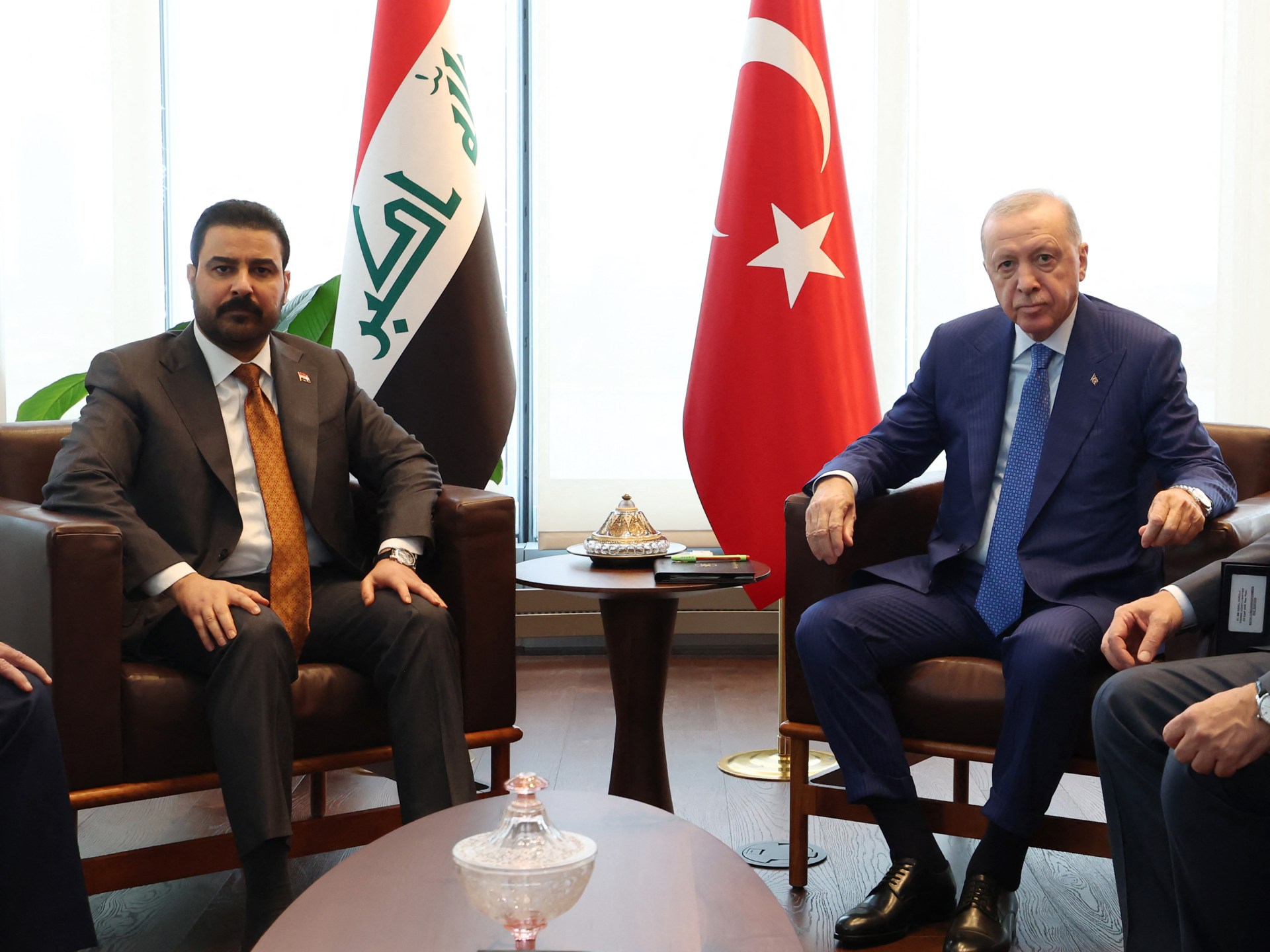
In a decisive diplomatic breakthrough on the sidelines of the United Nations General Assembly in New York, Iraqi Prime Minister Mohammed Shia al-Zaidi and Turkish President Recep Tayyip Erdogan forged a landmark consensus regarding the phased handover of the strategic Bashiqa military base in northern Iraq. For years, the presence of Turkish troops at the installation near Mosul has served as a persistent diplomatic friction point between Ankara and Baghdad, with the central Iraqi government frequently decrying the deployment as an infringement on national sovereignty.
The new bilateral framework outlines a structured, step-by-step transfer of administrative and operational control to Iraqi security forces. This arrangement satisfies Baghdad's constitutional imperatives while addressing Ankara's ongoing security imperatives concerning cross-border militant threats. The high-level meeting underscored a mutual recognition that prolonged bilateral friction undermines regional stability, prompting both leaders to pivot from confrontation to institutionalized security partnership.
[Global Trade](/news/trump-xi-jinping-us-summit-global-trade-geopolitics) & Economic Ripples
Beyond immediate military and diplomatic realignments, the Bashiqa resolution carries profound implications for global commodity markets, regional supply chains, and international trade corridors. Northern Iraq and the broader Mesopotamian basin represent critical arteries for energy transit and overland logistics connecting the Middle East to European consumer markets. Political stability in Nineveh province directly reduces operational risks for international energy firms, logistics operators, and infrastructure developers.
Furthermore, reduced military tensions along the Turkish-Iraqi frontier bolster investor confidence in the Development Road project—an ambitious multi-billion-dollar transit corridor designed to link the Grand Faw Port in southern Iraq through Turkiye to European markets. By removing a major geopolitical bottleneck, the agreement lowers sovereign risk premiums, stabilizes regional currency values, and ensures uninterrupted flow through vital commercial channels.
Related Intelligence: Trump and Xi Open High-Stakes US Summit to Reset Global Trade
International Reactions & Diplomatic Stances
The international community swiftly welcomed the diplomatic rapprochement, viewing the Bashiqa consensus as a masterclass in pragmatic statecraft. Officials at the United Nations commended both leaders for prioritizing multilateral dialogue and bilateral compromise over entrenched postures. Western capitals, eager to secure stable energy alternatives and secure trade routes amidst ongoing global economic fragmentation, praised the agreement as a vital anchor for Middle Eastern security.
Market analysts and geopolitical risk consultancies noted that the agreement signals a broader trend of regional detente, as Middle Eastern powers increasingly opt for economic integration over proxy conflicts. Regional stakeholders, including Gulf Cooperation Council members, expressed optimism that improved Ankara-Baghdad ties will foster a more predictable regulatory and security environment for foreign direct investment.
Strategic Outlook & Future Scenarios
Looking ahead, the success of the Bashiqa transition will depend heavily on the technical execution of the phased handover and the ongoing joint intelligence-sharing mechanisms established by both governments. Upcoming bilateral security summits scheduled for later this year in Ankara will test the durability of this new partnership, particularly regarding joint counter-terrorism operations and border management protocols.
While potential escalation points remain—including competing regional influences and local insurgent remnants—the baseline trajectory points toward deeper economic cooperation and institutionalized security dialogue. For global markets, this signifies a lower risk profile for critical trade corridors, reinforcing stability in energy supplies and cross-border commercial logistics well into the next decade.
Join Our Official WhatsApp Channel
Receive live commodity alerts, policy changes, and commercial intelligence directly on WhatsApp.