
Kennedy Center Financial Solvency Clarified Amid Scrutiny Over Federal Cultural Funding
Audited financial records confirm the John F. Kennedy Center posted an operating surplus in 2024 once federal appropriations and philanthropic grants were factored in, countering claims of structural multi-hundred-million-dollar institutional losses.
Geopolitical & Core Developments
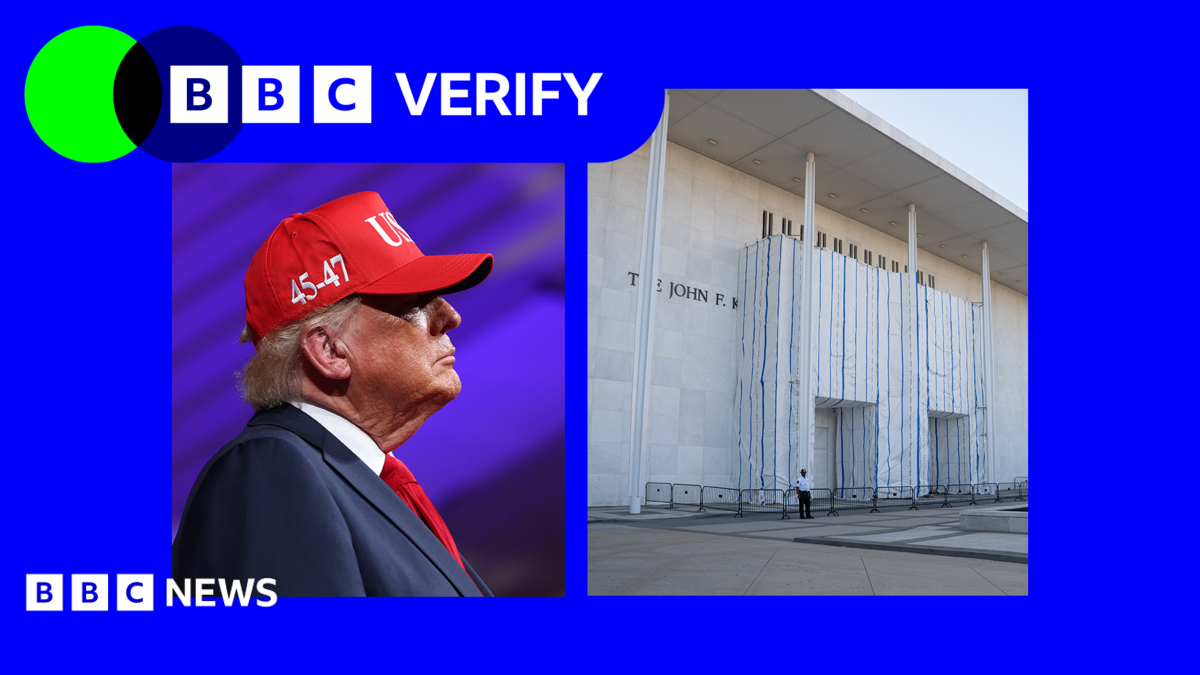
Scrutiny surrounding the financial governance of the John F. Kennedy Center for the Performing Arts has escalated into a broader debate regarding state funding, public accountability, and the sustainability of sovereign cultural institutions. Contrary to allegations claiming the premier Washington venue has incurred losses reaching hundreds of millions of dollars, audited financial disclosures for fiscal year 2024 confirm that the center secured an operating surplus once federal contributions, strategic grants, and private philanthropic gifts were incorporated.
The divergence between public claims and institutional balance sheets stems from fundamental distinctions in non-profit financial accounting. Performing arts complexes routinely operate at a baseline deficit prior to external financial interventions, given their substantial physical footprint, extensive technical labor requirements, and specialized production costs. When factoring in congressional appropriations—allocated under the center's dual mandate as both a presidential memorial and a national cultural facility—alongside institutional fundraising, the center maintained net positive operational solvency. The controversy reflects heightened friction within Washington's fiscal landscape, where federal allocations to cultural apparatuses face increasing political headwinds ahead of mandatory federal budget renegotiations.
Global Trade & Economic Ripples
The fiscal health of tier-one cultural institutions directly influences broader economic ecosystems, particularly commercial hospitality, high-end travel, and cross-border creative industries. The Kennedy Center represents a linchpin in the metropolitan economy of the United States capital, generating significant downstream revenue for air transit, international delegations, hotel chains, and logistics providers managing international performance tours.
More broadly, the debate underscores structural cost pressures rippling through the global creative economy. Post-pandemic inflation across freight logistics, stage production materials, and skilled staging labor has inflated operational overhead across Western cultural hubs by an estimated 15 to 25 percent over the past three years. While commercial enterprises adjust pricing mechanisms to absorb inflation, federally chartered and non-profit institutions face ceiling caps on ticket pricing to maintain public accessibility. As a result, the viability of hybrid funding models—combining sovereign state subsidies with private capital markets and philanthropic endowments—is being actively re-evaluated across developed markets.
Related Intelligence: Turkish Artisanal Metallurgy Pivots to Global Creative Markets Amid Economic Shifts
International Reactions & Diplomatic Stances
Fiscal analysts and international arts administrators have viewed the dispute as an indicative case study in modern institutional accounting. Economic watchdogs point out that assertions of catastrophic deficits frequently conflate long-term capital depreciation and non-cash liabilities with actual operational cash outflows. Financial analysts emphasize that when non-profit institutions reflect capital improvements and facility maintenance against annual revenues, headline figures can misrepresent long-term structural health.
Diplomats and cultural attachés view the politicization of cultural funding through the lens of international soft power. National performing arts centers in Washington, London, Paris, and Tokyo serve as conduits for bilateral cultural diplomacy, hosting foreign delegations, state dinners, and international exchange initiatives. Observers note that while European peers maintain high baseline direct state subsidies—often covering 40 to 60 percent of annual operating budgets—the United States relies more heavily on hybrid private contributions. International cultural policy specialists caution that sustained political targeting of federal appropriations could undermine the institutional stability required to sustain global cultural partnerships.
Strategic Outlook & Future Scenarios
Looking ahead, the Kennedy Center's financial narrative will remain intertwined with broader congressional debates surrounding discretionary federal spending and public arts funding. As fiscal conservatives push for rigorous audits and reductions in non-defense discretionary allocations, national cultural entities will likely encounter expanded demands for operational transparency and performance-linked funding metrics.
In response to these pressures, major cultural institutions are expected to accelerate capital diversification strategies. This trajectory includes expanding international corporate sponsorships, monetizing digital broadcast rights globally, and cultivating non-resident philanthropic networks. Concurrently, with geopolitical adversaries actively ramping up public diplomacy expenditures across the Global South and multilateral forums, the maintenance of well-capitalized cultural landmarks remains tied to national strategic influence, ensuring that institutional funding debates will retain significant political sensitivity.
Join Our Official WhatsApp Channel
Receive live commodity alerts, policy changes, and commercial intelligence directly on WhatsApp.