
Asian Games 2026 Sparks Fiscal and Logistics Reckoning in Japan
The 2026 Asian Games in Aichi-Nagoya faces an acute accommodation crisis as soaring construction costs and currency pressures force organizers to abandon traditional infrastructure blueprints for decentralized alternatives.
Geopolitical & Core Developments
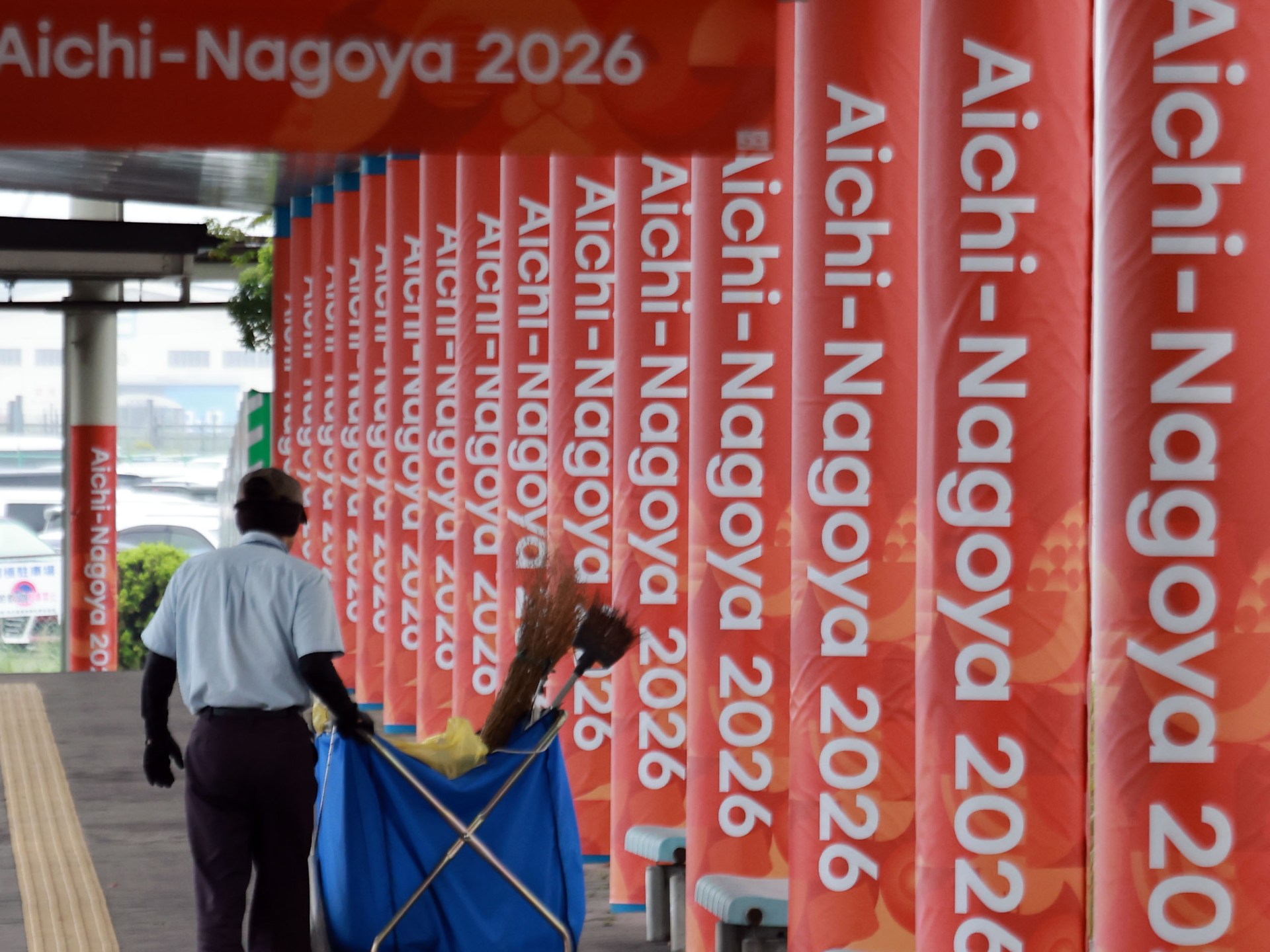
Preparations for the 20th Asian Games, scheduled to take place from September 19 to October 4, 2026, across Japan's Aichi Prefecture and the city of Nagoya, have entered a precarious operational phase. As the world's second-largest multisport competition behind the Summer Olympics, the event is slated to convene more than 11,000 athletes and thousands of technical officials representing 45 member nations of the Olympic Council of Asia (OCA). However, escalating budgetary constraints and municipal friction have triggered a severe accommodation shortfall, fundamentally destabilizing the tournament's foundational operational blueprint.
Faced with prohibitive post-pandemic construction overheads, acute labor shortages, and sustained depreciation of the Japanese yen, the local organizing committee abandoned plans to construct a centralized, purpose-built Athletes' Village. Instead, organizers have proposed distributing competitors across dozens of commercial hotels, municipal facilities, and chartered luxury cruise ships berthed in regional ports. This decentralized approach represents an unprecedented departure from standard quadrennial games protocol, introducing complex logistical and security challenges while illustrating the structural limits of staging state-sponsored mega-events in mature, demographically constrained economies.
Global Trade & Economic Ripples
The procurement pivot in Aichi-Nagoya reflects broader supply chain pressures reverberating through regional commodity markets and maritime trade. Elevated global prices for structural steel, cement, and energy imports have made conventional infrastructure development financially unviable for local authorities. Japan's construction sector, contending with stringent regulatory caps on overtime and severe domestic labor contractions, has increasingly deprioritized low-margin public civic works in favor of high-yield commercial industrial projects.
Consequently, the organizing committee's reliance on floating accommodation has prompted the commercial chartering of large passenger vessels. Withdrawing high-capacity cruise liners from standard commercial deployment across East Asian waters to serve as floating hotels removes valuable passenger capacity from regional maritime tourism routes, temporarily driving up regional charter tariffs. Furthermore, the requisitioning of thousands of hotel rooms threatens to displace business travelers in Nagoya, a primary nexus for Japan's automotive, aerospace, and advanced manufacturing sectors, risking short-term friction in the operational travel schedules of major multinational corporations operating in the Chubu industrial corridor.
Related Intelligence: Pakistan Reaffirms Strategic Defense Commitments to Saudi Arabia Amid Regional Tensions
International Reactions & Diplomatic Stances
The unconventional arrangements have elicited intensified scrutiny from continental sporting authorities and participating sovereign governments. The Olympic Council of Asia has conducted continuous oversight missions with the Aichi-Nagoya organizing committee to demand enforceable benchmarks regarding housing equity, transit durations, security perimeters, and nutritional management. Several national Olympic committees—predominantly representing Central Asian, South Asian, and Gulf delegations—have voiced private reservations over athlete dispersion and the fairness of lodging allocations.
From a diplomatic standpoint, Nagoya's fiscal restraint contrasts sharply with the multi-billion-dollar infrastructure investments displayed during the 19th Asian Games in Hangzhou, China, as well as the aggressive, sovereign-wealth-backed sports diplomacy currently pursued by Gulf nations such as Qatar and Saudi Arabia. Geopolitical analysts observe that Japanese municipal leaders are operating under intense domestic political pressure following the financial fallout and procurement scandals associated with the Tokyo 2020 Olympic Games, effectively eliminating public tolerance for speculative sovereign underwriting of international sporting spectacles.
Strategic Outlook & Future Scenarios
Organizers face a compressed 24-month horizon to finalize commercial contracts, secure sufficient maritime tonnage, and construct resilient transit networks capable of linking scattered accommodations to dispersed competition venues. Failure to seamlessly integrate transit flows across Aichi Prefecture risks significant operational delays, which would diminish Japan's international reputation for meticulous administrative competence.
More broadly, the Aichi-Nagoya framework is poised to establish a permanent global precedent for the administration of international athletic tournaments. If successfully executed, this asset-light model—relying on existing commercial infrastructure, chartered vessels, and cross-municipal integration—could offer a sustainable blueprint for mid-sized economies seeking soft-power prestige without compounding sovereign debt burdens. Conversely, should severe logistical disruptions occur, the outcome will accelerate the consolidation of global mega-events within centralized states and petrochemical powers possessing the sovereign capital reserves required to insulate multi-billion-dollar events from international commodity and currency volatility.
Join Our Official WhatsApp Channel
Receive live commodity alerts, policy changes, and commercial intelligence directly on WhatsApp.