
Karachi Records First Polio Case in 18 Months as Tally Rises
Karachi has confirmed its first wild poliovirus case in over 18 months, raising Pakistan's nationwide count to seven and renewing acute concerns over municipal hygiene, labor vulnerability, and commercial mobility.
The Core Development
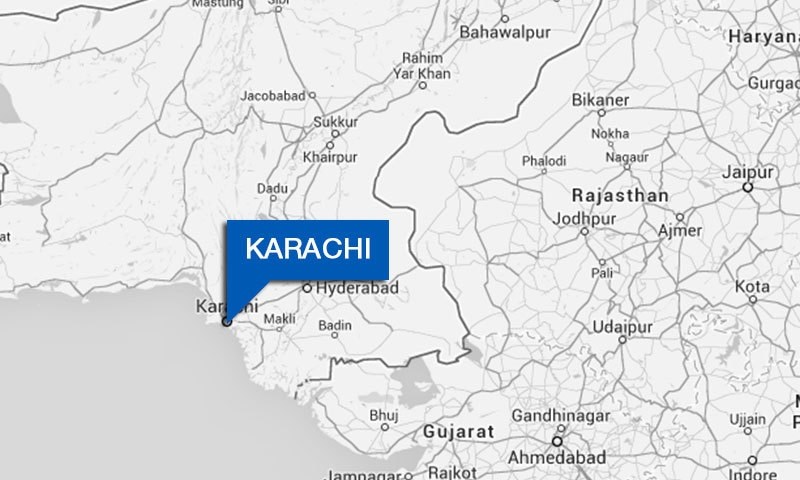
Pakistan's economic hub, Karachi, has recorded its first wild poliovirus case in more than eighteen months, elevating the national count for the current calendar year to seven. The National Emergency Operation Centre (NEOC) confirmed on Monday that a six-month-old male infant residing in Union Council Jamali Colony, located within Karachi East district, tested positive for the crippling disease. Confirmation was issued by the Regional Reference Laboratory for Polio Eradication housed at the National Institutes of Health (NIH) in Islamabad after environmental surveillance and clinical sampling validated the presence of the pathogen.
According to official statements released by federal health authorities, the afflicted infant suffered from chronic acute malnutrition, leaving the child exceptionally susceptible to localized endemic viral strains. Epidemiological surveillance teams noted that wild poliovirus type 1 (WPV1) had maintained sustained detection across multiple sewage networks throughout urban Sindh over recent quarters, despite recurring synchronized door-to-door immunization initiatives. The emergence of a symptomatic paralysis case confirms active community transmission in densely populated peri-urban industrial belts, exposing structural lapses in routine immunization coverage among vulnerable migrant and low-income demographics.
Commercial & Economic Implications
While predominantly a public health crisis, the resurgence of wild poliovirus inside Pakistan's primary financial metropolis poses measurable ramifications for commercial productivity, wholesale distribution, and municipal supply chains. Jamali Colony and its neighboring sectors serve as dense labor reserves for adjoining industrial estates, transport terminals, and wholesale mercantile hubs. Health crises among low-income households directly disrupt informal labor pools, escalating household medical debt, reducing aggregate household consumption, and eroding retail sales volumes in affected working-class neighborhoods.
Furthermore, persistent viral circulation jeopardizes Pakistan's external business interfaces. Enhanced international health scrutiny threatens to provoke stricter mandatory outbound travel vaccinations and surveillance mechanisms on Pakistani citizens, raising friction costs for commercial delegates, business executives, and cross-border transport operators. Macroeconomic vulnerabilities are compounded as municipal governments are compelled to redirect scarce municipal budgets toward emergency sanitary cordons and rapid-response immunization logistics, diverting resources away from physical municipal infrastructure development and wholesale market maintenance.
Related Intelligence: PPP Distances From Khyber Pakhtunkhwa Governor Rule Amid Political Instability
Stakeholder Perspectives & Market Reactions
Public health experts and municipal trade bodies have voiced acute alarm regarding the lapse in containment. Medical practitioners affiliated with the Pakistan Medical Association (PMA) pointed out that routine immunization metrics within Karachi's peripheries remain suboptimal, heavily undermined by rapid urban migration, inadequate wastewater infrastructure, and vaccine hesitancy. Commercial market leaders across Karachi's wholesale centers emphasized that uninterrupted municipal operations depend entirely on robust biological safety and sanitation throughout industrial settlements.
Federal and provincial administrators have reiterated their commitment to intensifying micro-level targeting. Health ministry representatives highlighted that localized surveillance frameworks effectively detected the pathogen, demonstrating laboratory readiness, yet acknowledged that malnutrition remains a catastrophic multiplier for viral transmission. Meanwhile, civil society groups and international donor observers have urged localized community engagement, stressing that structural eradication cannot succeed without concurrently rectifying chronic municipal water contamination and expanding pediatric nutritional support programs.
Forward Outlook & Key Watchpoints
Moving forward, the National Emergency Operation Centre, in coordination with the Sindh provincial government and international partners, is set to launch an aggressive fractional and door-to-door catch-up vaccination campaign across Karachi East and contiguous vulnerable union councils. Federal authorities will closely track genomic sequencing data to determine whether this transmission chain is autochthonous to urban Sindh or imported from historic reservoir corridors in southern Khyber Pakhtunkhwa or neighboring regional hubs.
Enterprises and market watchdogs must monitor potential operational friction, including increased monitoring checkpoints, enhanced micro-containment drills around industrial belts, and expanded demands for workplace health verification. Maintaining urban sanitary integrity and closing routine pediatric immunization gaps will remain decisive in determining whether Karachi can suppress the virus before it compromises broader economic mobility and international business travel standing.
Join Our Official WhatsApp Channel
Receive live commodity alerts, policy changes, and commercial intelligence directly on WhatsApp.