
Kalyar Traders Warns As Political Unrest Threatens Pakistani Markets
As political tensions mount ahead of the September 27 march, business leaders urge restraint to prevent crippling economic fallout across Pakistani markets.
The Core Development
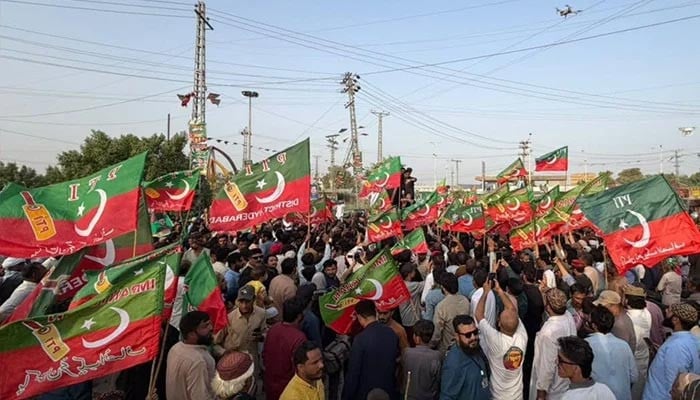
In a critical development concerning national stability and public security, the Pakistan Tehreek-e-Insaf (PTI) leadership has issued strict directives to its workers, warning them against carrying any weapons during the scheduled September 27 political march. The party has publicly vowed to maintain a strictly peaceful posture, attempting to preempt potential law enforcement clashes and administrative crackdowns. The announcement comes amidst heightened security preparations across major urban centers, particularly in Punjab and Islamabad, where authorities have historically imposed strict restrictions on public assemblies. The timeline leading up to September 27 has seen a flurry of administrative meetings, intelligence reviews, and contingency planning by federal and provincial governments. Key political actors within PTI have emphasized that their democratic right to protest will be exercised within constitutional boundaries, aiming to dissipate mounting state-level hostility. However, security apparatuses remain on high alert, citing intelligence reports regarding potential infiltration by disruptive elements. The friction between political agitators and state machinery sets a volatile stage for the upcoming week, drawing intense scrutiny from legal experts, civil society, and the international diplomatic community regarding human rights, freedom of assembly, and the rule of law in Pakistan.
Commercial & Economic Implications
The persistent cycle of political protests and street agitation carries severe repercussions for Pakistan's fragile economic recovery. For retail trade and wholesale distribution networks, particularly in commercial hubs like Lahore, Faisalabad, and Rawalpindi, political uncertainty translates directly into shuttered storefronts, paralyzed transportation corridors, and fractured supply chains. Commercial activity typically plummets by 30 to 40 percent during major lockdown events, directly squeezing small and medium enterprises (SMEs) that form the backbone of the domestic economy. Furthermore, transport disruptions artificially inflate food and fuel prices, aggravating inflationary pressures on urban consumers who are already grappling with high electricity tariffs and taxation. Wholesalers report delayed shipments of essential commodities, leading to localized stockouts and speculative price gouging. In a macroeconomic environment where the State Bank of Pakistan is striving to stabilize foreign exchange reserves and tame inflation, prolonged political turbulence undermines investor confidence, disrupts daily wage labor, and stalls vital market transactions.
Related Intelligence: Tunisia Fuel Strike Exposes Deepening Economic and Political Fractures
Stakeholder Perspectives & Market Reactions
Business councils, chambers of commerce, and trader associations have voiced profound apprehension over the unfolding political calendar. Representatives from major trade bodies have issued joint appeals urging both the government and the opposition to prioritize economic continuity over political brinkmanship. According to market associations, recurring containerization of cities and road closures inflict billions of rupees in daily losses on the national exchequer. Legal analysts note that while peaceful protest is a fundamental constitutional right under Pakistani law, the economic cost of violent confrontations or sweeping administrative lockdowns is disproportionately borne by the merchant community. Public response remains polarized; while political loyalists view street agitation as an existential necessity, ordinary citizens and daily-wage earners express deep fatigue over the constant disruption of civic life, educational institutions, and commercial markets. Official statements from government spokespersons maintain that while peaceful assembly will be tolerated, any transgression of the law or carrying of weapons will be met with uncompromising state force.
Forward Outlook & Key Watchpoints
As the September 27 deadline approaches, stakeholders across the financial and political spectrum are closely monitoring several critical indicators. Key watchpoints include the final negotiated routes for the march, potential judicial interventions by high courts regarding public safety, and the deployment scale of law enforcement agencies such as the Rangers and Punjab Police. If the march remains genuinely peaceful as promised by PTI leadership, markets may experience a brief sigh of relief, allowing commercial operations to normalize quickly. Conversely, any outbreak of violence or extensive state crackdowns could trigger extended curfews, internet suspensions, and severe supply chain paralysis. Long-term economic stability in Pakistan remains inextricably linked to political de-escalation, necessitating structured dialogue between estranged political factions to safeguard commercial viability and consumer welfare.
Join Our Official WhatsApp Channel
Receive live commodity alerts, policy changes, and commercial intelligence directly on WhatsApp.