
Iraq Dinar Devaluation Triggers Parliamentary Revolt and Economic Anxiety
Iraqi lawmakers are fiercely resisting official currency devaluation policies, warning that the monetary shift inflicts severe financial strain and soaring living costs on vulnerable populations across the nation.
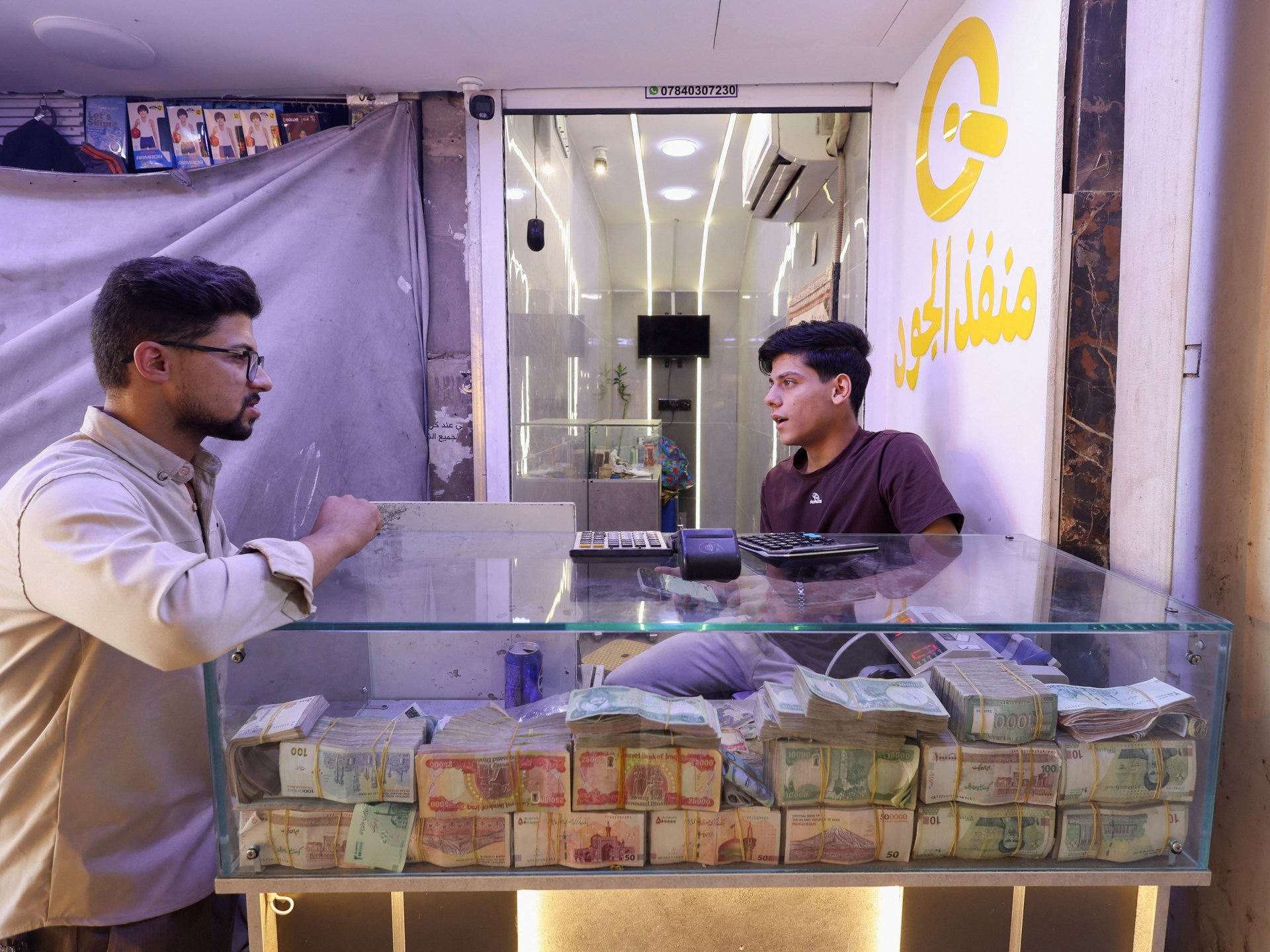
Geopolitical & Core Developments
The recent decision by monetary authorities in Baghdad to adjust the valuation of the Iraqi dinar has ignited a profound political controversy within the nation's legislature. Iraqi members of parliament have mounted a concerted opposition campaign against the currency policy, arguing that the structural devaluation fails to account for the immediate domestic fallout. This fiscal maneuver, ostensibly designed to align official exchange rates with parallel market realities and curb illicit dollar outflows, has instead triggered a domestic political crisis. State actors and central banking officials have defended the adjustment as a necessary, albeit painful, step toward long-term macroeconomic stability and compliance with international financial monitoring standards. However, the timing and execution of the policy have exposed deep fractures between the executive branch, central bank technocrats, and populist parliamentary blocs who view the move as capitulation to external fiscal pressures.
Global Trade & Economic Ripples
As a cornerstone member of the Organization of the Petroleum Exporting Countries (OPEC) and a major global crude supplier, Iraq's domestic monetary policies carry significant weight across international commodity markets. While oil revenues are denominated in US dollars—insulating crude export earnings from direct local currency fluctuations—the domestic cost of infrastructure projects, local labor, and secondary supply chains experiences immediate volatility. The devaluation of the dinar directly erodes the real purchasing power of ordinary citizens, transforming imported foodstuffs, pharmaceuticals, and manufactured goods into luxury items. This localized inflationary shock reverberates through regional trade corridors, particularly affecting neighboring trading partners such as Iran, Turkey, and Jordan, which rely heavily on cross-border commercial exchanges with Iraqi markets. Furthermore, shifting currency valuations complicate multinational corporate investments within Iraq's oil and reconstruction sectors, prompting risk-averse adjustments from foreign operators navigating uncertain regulatory and monetary landscapes.
Related Intelligence: Israel Curtails British Diplomatic Mission in Jerusalem Over Sanctions
International Reactions & Diplomatic Stances
The currency crisis has not gone unnoticed by international financial institutions and multilateral bodies. Representatives from the International Monetary Fund (IMF) and the World Bank have historically advocated for transparent exchange rate policies and the elimination of multi-tier currency systems in Iraq to curb corruption and foreign exchange reserves depletion. Western diplomatic missions in Baghdad have similarly urged structural economic reforms, framing monetary tightening as an unavoidable prerequisite for sustainable economic diversification. Conversely, regional market analysts and humanitarian organizations have expressed grave concern over the social safety net implications. Independent economists point out that without robust, targeted compensatory mechanisms for low-income households, sweeping macroeconomic reforms risk provoking widespread social unrest, thereby undermining the fragile political equilibrium essential for foreign investment and national security.
Strategic Outlook & Future Scenarios
Looking ahead, the trajectory of Iraq's monetary policy remains heavily contested, setting the stage for protracted institutional gridlock between the central bank and parliament. Future scenarios hinge on Baghdad's ability to implement effective social protection programs that cushion vulnerable populations from inflationary pressures without reversing hard-won monetary discipline. Upcoming legislative sessions will likely feature intense parliamentary battles over the national budget and supplementary spending bills aimed at mitigating living costs. If authorities fail to balance fiscal reform with social welfare, mounting public dissatisfaction could manifest in renewed street protests, threatening the operational stability of vital energy infrastructure and complicating Iraq's strategic diplomatic and economic partnerships across both Western and regional capitals.
Join Our Official WhatsApp Channel
Receive live commodity alerts, policy changes, and commercial intelligence directly on WhatsApp.