
Ethiopian Conflict Resurges as Tigray Fighting Disrupts Regional Stability
Renewed fighting between Ethiopian federal forces and Tigray rebels threatens regional stability, triggering telecoms blackouts and reviving fears of severe economic and humanitarian fallout.
The Core Development
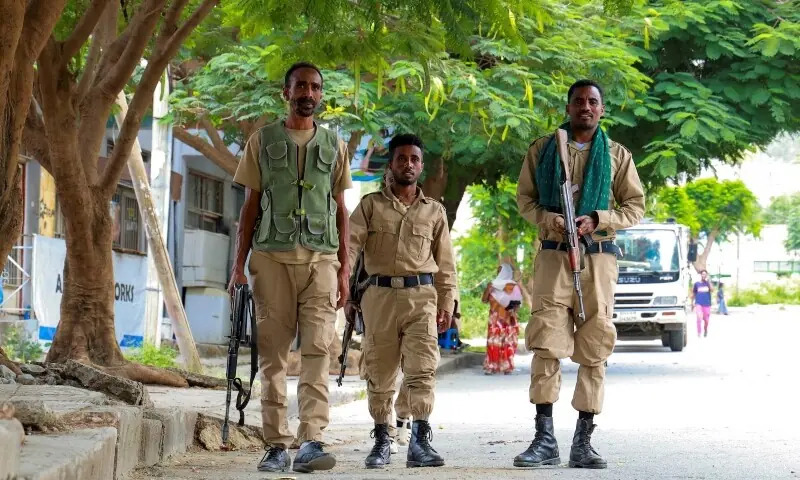
Ethiopian federal forces battled overnight to repel a major tactical assault by Tigray rebels stationed within the Afar region, according to humanitarian sources on Friday. The renewed violence follows a week of escalating military engagements where insurgent groups in northern Tigray seized local airports and launched synchronized offensives into the neighboring states of Afar and Amhara. Rebel leadership has publicly declared that the nation has re-entered a state of 'full-blown war' with the federal government led by Prime Minister Abiy Ahmed.
The conflict's escalation has been swiftly accompanied by critical infrastructure degradation. Digital rights and online monitor Netblocks reported a total internet disruption across northern Ethiopia, directly corroborating local reports of a systematic communications blackout in Tigray. Residents and regional analysts fear a precise repetition of the prolonged telecoms blockade and supply line restrictions enforced during the devastating 2020-2022 civil war, a catastrophic conflict that humanitarian agencies estimate claimed upwards of 600,000 lives through violence, famine, and medical deprivation.
Commercial & Economic Implications
For international markets, emerging economies, and trading partners such as Pakistan, the resurgence of large-scale conflict in the Horn of Africa poses acute supply chain and macroeconomic risks. While direct bilateral trade volume between Pakistan and Ethiopia remains moderate—consisting primarily of agricultural commodities, textiles, and pharmaceutical exports—instability in East Africa threatens broader maritime trade routes connecting the Red Sea and the Suez Canal.
Furthermore, renewed hostilities in agricultural and transit corridors risk compounding global inflationary pressures on essential commodities. The destruction of regional infrastructure directly impairs local production capacities, driving up international commodity pricing indices. Pakistani importers and exporters dealing with East African markets face heightened freight insurance premiums, logistics delays, and foreign exchange volatility as regional security deteriorates. Prolonged conflict invariably strains global energy markets, indirectly impacting petroleum import bills and domestic energy tariffs in developing economies.
Related Intelligence: Prime Minister Shehbaz Declares Economic Stabilization at UNGA
Stakeholder Perspectives & Market Reactions
International bodies, regional trade associations, and diplomatic missions have expressed profound alarm over the rapid deterioration of the security landscape. Human rights organizations are urging immediate cessation of hostilities and calling for the unconditional restoration of telecommunications and humanitarian corridors into Tigray to prevent a recurrence of mass starvation.
Business councils and chambers of commerce in the broader East African region have voiced apprehension regarding investor confidence. Financial market participants note that sustained political instability in Ethiopia—traditionally viewed as a major anchor economy in the region—discourages foreign direct investment (FDI) and undermines regional integration frameworks such as the African Continental Free Trade Area (AfCFTA). Legal experts and policy analysts emphasize that continued blockades violate international humanitarian law, prompting calls for targeted diplomatic interventions and potential economic sanctions from Western development partners.
Forward Outlook & Key Watchpoints
As federal forces attempt to stabilize the Afar and Amhara fronts, the immediate trajectory of the conflict remains dangerously uncertain. Key watchpoints for international observers and market analysts include the duration and scope of the telecommunications blackout, the potential mobilization of additional federal reserves, and the humanitarian community's access to besieged populations.
Policymakers and trade strategists must monitor potential spillover effects on regional stability, refugee movements, and Red Sea shipping security. If federal authorities fail to contain the offensive rapidly, the conflict could devolve into a protracted insurgency, severely crippling Ethiopia's domestic economic reforms and generating enduring ripple effects across international supply chains and commodity markets.
Join Our Official WhatsApp Channel
Receive live commodity alerts, policy changes, and commercial intelligence directly on WhatsApp.