
Nullah Lai Flooding Threatens Rawalpindi Trade and Urban Infrastructure
Severe monsoon flooding along Rawalpindi's Nullah Lai disrupts local commerce and exposes critical urban infrastructure vulnerabilities, threatening regional supply chains and retail markets.
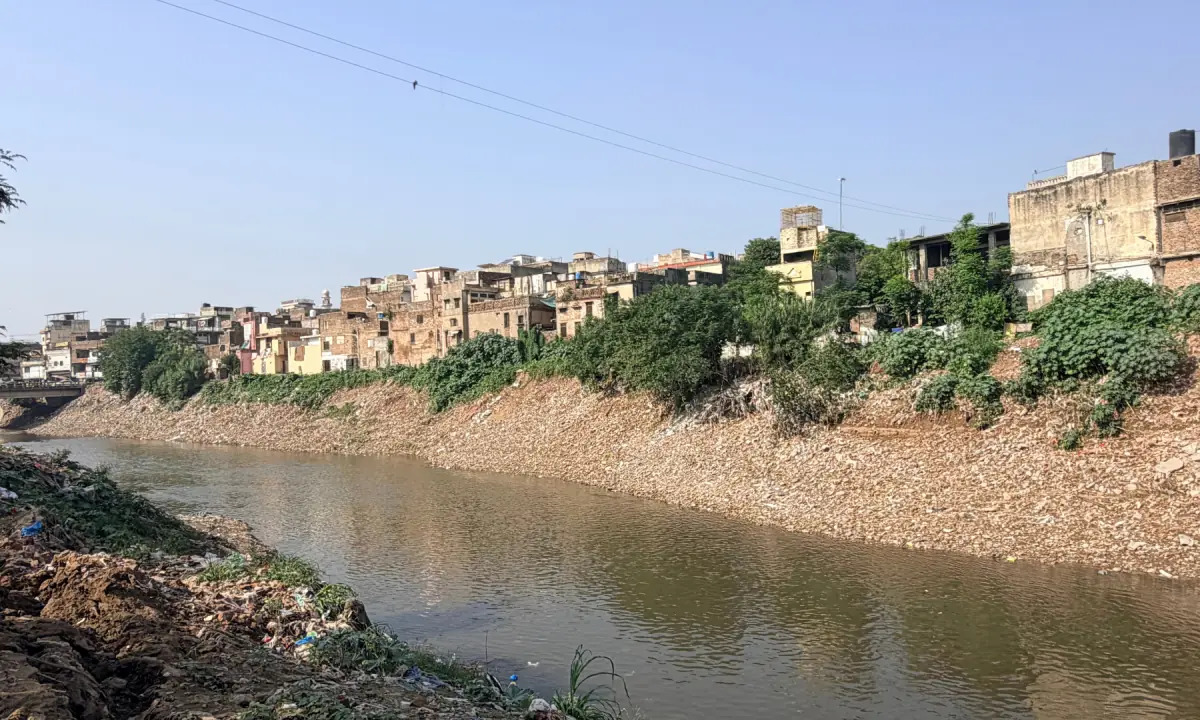
The Core Development
At 6:30am on September 1st, residents of Gawalmandi faced the grim reality of monsoon vulnerability as Nullah Lai breached its typical flow capacity. Shazia, a 40-year-old local resident, monitored the rising waters from her doorway while her family attempted to maintain routine amidst soaked surroundings. Their home, situated directly on the banks of this vital tributary of the Soan River, serves as a frontline indicator for urban inundation in Rawalpindi. Operating primarily as a stormwater drain, Nullah Lai quickly transformed into a high-risk hazard as continuous precipitation pushed water levels past the 20-foot threshold. Local markers, including mature trees used by residents to gauge danger levels, were rapidly submerged as the channel overflowed into surrounding neighborhoods. The timeline of the disaster highlights the swift escalation from localized heavy rain to widespread urban flooding, catching communities off guard despite historical precedent. Municipal emergency response teams faced significant logistical hurdles in deploying resources due to congested urban layouts and rapid water accumulation.
Commercial & Economic Implications
The overflow of Nullah Lai carries profound economic ramifications for Rawalpindi's vibrant commercial ecosystem, particularly affecting retail trade, wholesale distribution networks, and localized supply chains. Gawalmandi and adjacent commercial hubs support extensive wholesale and retail operations that serve broader northern Punjab markets. When floodwaters breach the banks, ground-floor inventories—ranging from textiles and dry goods to perishable foodstuffs—suffer extensive damage, leading to immediate capital write-offs for small and medium-sized enterprises (SMEs). Furthermore, inundation paralyzes transportation arteries, halting the seamless movement of goods from major production centers to retail storefronts. This logistical bottleneck triggers localized inflationary pressures, as scarce goods face supply constraints while demand remains steady. Consumers bear the ultimate burden through inflated retail prices and compromised access to daily essentials, while merchants grapple with revenue contraction and the high cost of asset rehabilitation.
Related Intelligence: Ethiopian Tigray Unrest Sparks Regional Security and Trade Concerns
Stakeholder Perspectives & Market Reactions
The recurring crisis has galvanized local trader associations and business councils to demand urgent, structural interventions from the Punjab government and municipal authorities. Representatives from various Rawalpindi market committees have expressed deep frustration over decades of delayed infrastructural upgrades, arguing that temporary dredging operations are wholly insufficient to mitigate catastrophic flood risks. Industry bodies emphasize that recurring disruptions severely erode investor confidence and destabilize commercial real estate values along the corridor. Legal experts and urban planners have also weighed in, citing regulatory lapses in zoning laws and unauthorized construction along the natural drainage basin as primary contributors to the crisis. Public response reflects a mixture of exhaustion and anxiety, with residents and business owners calling for transparent, accountable governance and comprehensive master planning to safeguard lives and commercial capital.
Forward Outlook & Key Watchpoints
As Pakistan navigates an increasingly volatile climate landscape, the immediate focus for Rawalpindi centers on emergency preparedness, debris clearance, and short-term embankment reinforcement along Nullah Lai. However, long-term economic stability relies heavily on the execution of structural megaprojects, such as the long-delayed Nullah Lai Expressway and flood channel expansion initiative. Financial analysts and trade bodies will closely monitor provincial budgetary allocations in the upcoming fiscal cycle to determine whether adequate capital is earmarked for permanent urban flood mitigation. Key watchpoints include the enforcement of building codes along the waterway, the establishment of early warning telemetry systems for commercial districts, and the rapid disbursement of relief funds to affected merchants to prevent widespread commercial insolvency.
Join Our Official WhatsApp Channel
Receive live commodity alerts, policy changes, and commercial intelligence directly on WhatsApp.