
Fixing Karachi's Broken Water Economy: How KWSC Can Capture Lost Revenue
Karachi households spend heavily on private water solutions while the official utility remains strapped for cash, highlighting a deep structural failure in urban utility management.
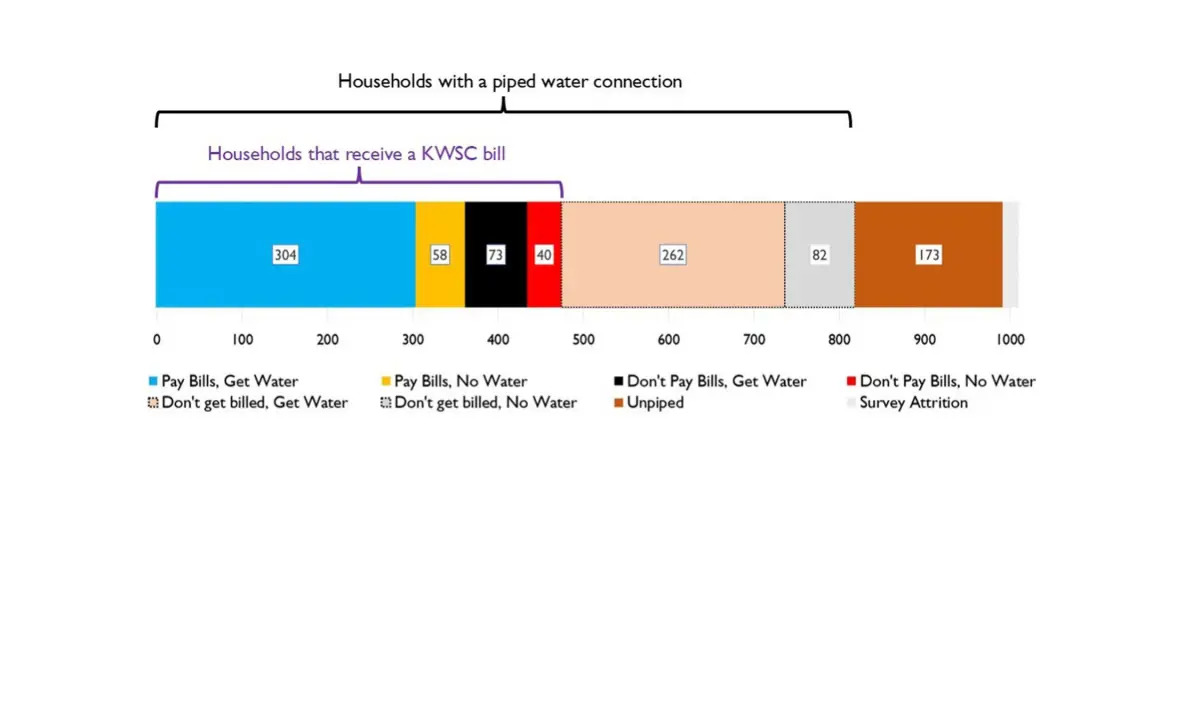
The Core Development
Karachi possesses a remarkably paradoxical water economy. Across Pakistan's largest commercial hub, households and businesses spend billions of rupees annually to secure adequate water supplies. Yet the Karachi Water and Sewerage Corporation (KWSC), the primary municipal utility tasked with bringing freshwater from hundreds of kilometers away, purifying it, and distributing it across a sprawling metropolis, chronically fails to generate sufficient revenue to cover its basic operational expenditures.
The structural dysfunction of Karachi's water sector is rooted in a fragmented delivery model. While the KWSC bears the immense financial burden of pumping water from distant sources like the Keenjhar Lake and Hub Dam, energizing massive grid stations, and maintaining extensive treatment plants, it captures only a fraction of the economic value of that water. Meanwhile, residents, feeling the pinch of severe municipal rationing, turn to a parallel, informal water economy dominated by private tankers, unregulated reverse osmosis plants, localized pumps, deep boreholes, and dedicated storage tanks.
Commercial & Economic Implications
This reliance on informal water markets imposes a heavy toll on the broader economy of Pakistan. Households and small businesses divert significant portions of their disposable income and operational budgets toward private water vendors, creating an inflationary tax on daily living standards in Karachi. For industrial and commercial establishments, unpredictable municipal water supplies force heavy capital investments into private backup infrastructure, driving up cost structures and eroding export competitiveness.
The financial drain extends to the macro level. Because the KWSC operates at a persistent deficit, it depends heavily on provincial bailouts and development subsidies, straining public finances. If the utility could successfully capture the capital already circulating within Karachi's private water market, it could achieve fiscal self-reliance, modernize its aging infrastructure, and drastically reduce the aggregate cost of water for end consumers.
Related Intelligence: Novak Djokovic Returns to Competitive Tennis at China Open Amid Major Strategic Shifts
Stakeholder Perspectives & Market Reactions
Consumer associations and business councils in Karachi have long voiced frustration over the dual burden of paying official municipal water tariffs while simultaneously funding expensive private tanker deliveries. Industrial bodies argue that unreliable utility provisioning disrupts manufacturing schedules and inflates operational expenses.
In response, municipal authorities and KWSC management have initiated targeted infrastructure upgrades, such as the ongoing rehabilitation of supply and sewerage networks in densely populated areas like Essa Nagri. However, industry experts emphasize that physical pipe laying must be matched by radical administrative reforms. These include transparent metering, digitized billing systems, stricter regulation of illegal abstraction, and the dismantling of informal cartels that profit from municipal supply failures.
Forward Outlook & Key Watchpoints
Transforming Karachi's water economy requires a decisive shift from subsidized rationing to commercial accountability. Key watchpoints for policymakers and financial analysts include the enforcement of comprehensive metering programs, the restructuring of industrial tariffs, and the successful execution of public-private partnerships aimed at reducing non-revenue water losses.
If the KWSC can systematically reclaim its commercial mandate, it will not only stabilize its own balance sheet but also relieve millions of Karachiites from the exorbitant costs of the informal water market, fostering a more resilient and equitable urban economy.
Join Our Official WhatsApp Channel
Receive live commodity alerts, policy changes, and commercial intelligence directly on WhatsApp.