
Iran Rejects UK Airbase Plot Accusations Citing False Flag Provocations
Iran has categorically denied British allegations accusing its Revolutionary Guard of orchestrating an operation targeting a UK airbase, warning against manufactured provocations amid deteriorating diplomatic relations.
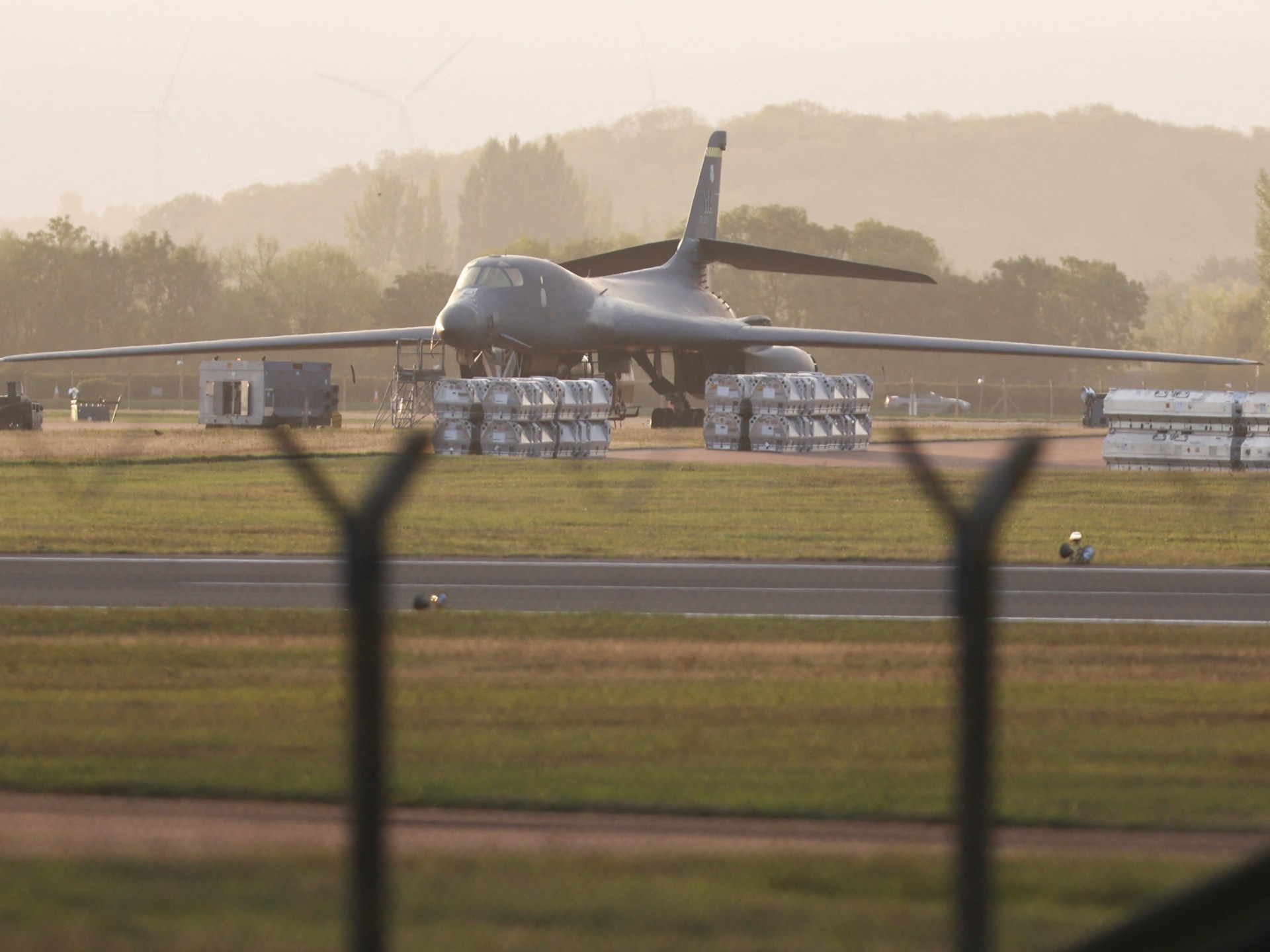
Geopolitical & Core Developments Diplomatic relations between London and Tehran reached a volatile juncture following accusations leveled by British security authorities alleging that elements tied to [Iran](/news/imf-urges-developing-nations-cut-spending-iran-energy-shock)'s Islamic Revolutionary Guard Corps (IRGC) orchestrated a planned security breach against a military airbase in the United Kingdom. Tehran moved swiftly to reject the assertions, branding the development a coordinated 'false flag' maneuver intended to justify escalated diplomatic hostility and prospective military or economic counter-measures against the Islamic Republic.
The confrontation unfolds against a broader backdrop of intensifying friction across European capitals regarding alleged extraterritorial activities attributed to Iranian security organs. For several months, Western intelligence agencies have placed Iranian state apparatuses under heightened scrutiny, monitoring suspected surveillance operations, hybrid threats, and physical plots aimed at critical infrastructure and political dissidents. By explicitly associating sovereign military installations on British soil with foreign covert interference, London has elevated the dispute beyond conventional counterintelligence friction to a serious national security breach. Iranian foreign ministry officials countered the accusations, claiming western intelligence services routinely manufacture pretexts to build domestic consensus for punitive legal actions, including the potential formal proscription of the IRGC as a terrorist entity by the UK and European partners.
Global Trade & Economic Ripples The resurfacing of state-level confrontation carries acute implications for global commercial corridors [and hydrocarbon](/news/africa-faces-severe-energy-deficit-despite-abundant-reserves) supply lines. Heightened institutional acrimony between the UK and Iran directly affects maritime transport risk calculations throughout the Persian Gulf and the Strait of Hormuz—conduits through which roughly a fifth of global petroleum consumption flows. Lloyd's of London and international maritime insurers maintain heightened vigilance regarding sovereign retaliatory dynamics, with any corresponding threat of vessel seizures or boarding operations likely to drive war-risk insurance premiums higher for international tanker operators.
Simultaneously, the diplomatic breach complicates ongoing international trade settlement and compliance frameworks. Increased enforcement scrutiny by British and allied financial regulators targets illicit petrochemical shipping channels, ship-to-ship crude transfers, and shadow banking entities that facilitate Iranian commerce across Asian and Mediterranean hubs. Financial institutions operating across cross-border trade sectors face heightened secondary sanction vulnerabilities, potentially dampening trade volumes within non-sanctioned agricultural and medical supply conduits reliant on complex correspondent banking mechanisms.
International Reactions & Diplomatic Stances Reactions across multilateral arenas and state foreign offices have reflected entrenched strategic divisions. UK policymakers across Whitehall emphasized that sovereign defense compounds remain subject to uncompromising physical protection, indicating that formal policy responses—potentially encompassing targeted sanctions on senior IRGC commanders and further diplomatic expulsions—remain under immediate review. Allied officials in Washington expressed solidarity with London, reiterating shared assessments regarding state-directed proxy networks active across Europe.
Conversely, Iranian state media and government spokespersons framed the charges as an orchestrated psychological campaign designed to deflect scrutiny from Western regional policies in the Middle East. Diplomatic observers note that regional intermediaries, including Oman and Qatar, have traditionally sought to de-escalate security rhetoric to keep informal communication channels open. However, multilateral forums like the United Nations Security Council face procedural gridlock, with permanent members holding divergent positions regarding sovereign attributions without publicly disclosed forensic disclosures.
Strategic Outlook & Future Scenarios The trajectory of the dispute points toward an imminent ratcheting of statutory restrictions rather than direct military confrontation. The immediate focal point rests on whether the British government will proceed with long-debated parliamentary legislation formally proscribing the IRGC in its entirety—a statutory shift that would mandate blanket asset freezes, criminalize institutional contact, and potentially trigger reciprocal counter-measures against British military personnel stationed across the Middle East.
In the medium term, sustained friction diminishes prospects for resurrecting multilateral nuclear diplomacy or establishing durable regional security compacts. Businesses navigating regional trade must prepare for tighter compliance regimes, increased regulatory friction in dual-use technologies, and heightened operational volatility surrounding Persian Gulf shipping routes.
Join Our Official WhatsApp Channel
Receive live commodity alerts, policy changes, and commercial intelligence directly on WhatsApp.