
Africa Faces Severe Energy Deficit Despite Abundant Strategic Mineral and Hydrocarbon Reserves
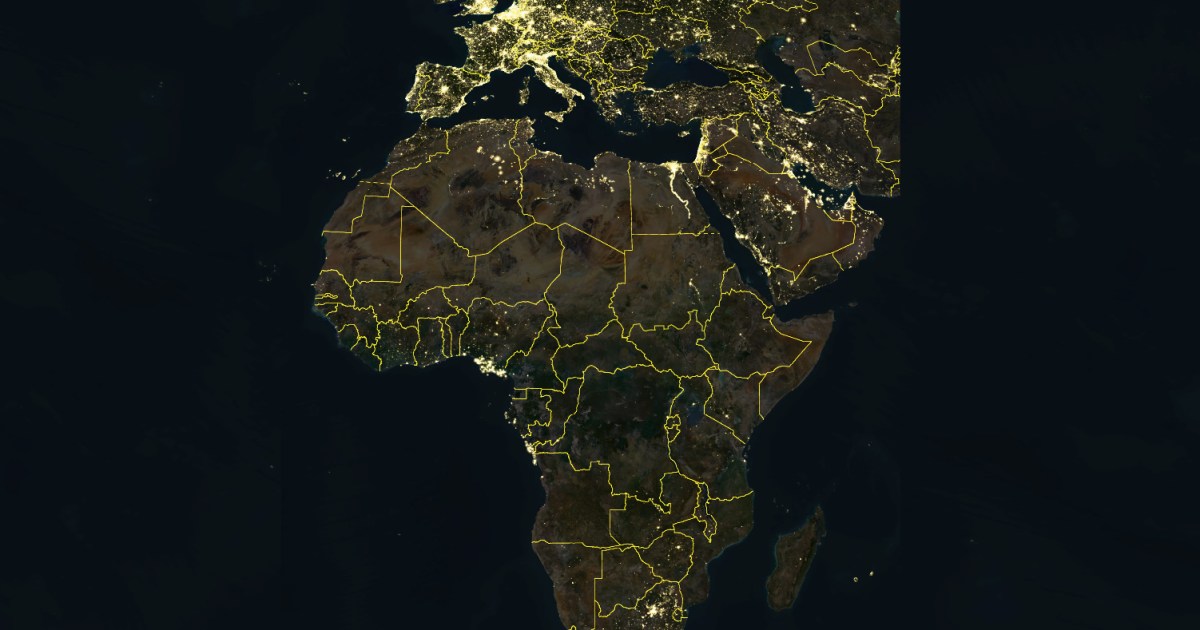
Africa holds immense renewable and fossil reserves, yet over 560 million citizens remain off the electrical grid due to chronic underinvestment and systemic trade asymmetries.
Geopolitical & Core Developments
The paradox of Africa’s energy landscape represents one of the most structural geopolitical challenges of the twenty-first century. According to data consolidated by multilateral energy monitors, approximately 560 million people across the continent—predominantly in Sub-Saharan Africa—remain without basic access to electricity. This demographic accounts for roughly 80 percent of the world's total energy-poor population. The crisis persists despite the continent housing nearly 60 percent of the world's premier solar resources, extensive natural gas basins in Mozambique, Senegal, and Nigeria, and vast hydro-generation potential along the Congo and Nile River basins.
State actors across the continent are navigating a complex diplomatic and economic tightrope. Regional leaders argue that historical underdevelopment and stringent Western climate mandates have constrained sovereign industrial policies. While international financial institutions exert pressure on African capitals to bypass traditional hydrocarbon infrastructure, local administrations increasingly champion natural gas as a critical transition fuel. The diplomatic tension centers on equity: Africa contributes under 4 percent of global carbon emissions yet suffers disproportionately from climate impacts while facing restricted capital access for domestic industrialization.
Global Trade & Economic Ripples
The persistent energy deficit across Africa directly impedes the continent's integration into high-value global supply chains. Manufacturing activities across heavy industries—such as metals smelting, agricultural processing, and chemical synthesis—face severe operational headwinds due to frequent grid instability and reliance on expensive diesel generation. This reliance artificially inflates production costs, making regional exports less competitive on the global stage.
Simultaneously, the global push toward energy transition has intensified international interest in Africa's critical minerals. The continent holds immense deposits of cobalt, lithium, manganese, and copper, essential for electric vehicles and renewable storage. However, without stable domestic power grids, African states remain relegated to raw mineral extraction rather than onshore refining and value-added manufacturing. In global commodity markets, European natural gas buyers have sought long-term supply contracts across North and West Africa to offset disrupted Russian imports, reinforcing an extractive economic model where hydrocarbon assets are prioritized for export rather than internal grid stabilization.
Related Intelligence: Vatican Prepares for Papal Surgery Amid Global Diplomatic and Economic Repercussions
International Reactions & Diplomatic Stances
Multilateral bodies and sovereign governments have taken increasingly divergent approaches to the crisis. The United Nations and the International Energy Agency (IEA) have repeatedly called for a massive scale-up of concessional financing, warning that Sustainable Development Goal 7—universal energy access by 2030—is unachievable under current capital trajectories. IEA leadership has noted that closing Africa's energy gap requires approximately $25 billion annually, an amount equivalent to the cost of a single major liquefied natural gas export terminal.
Western partners, including the European Union and the United States, have advanced initiatives such as the Partnership for Global Infrastructure and Investment, prioritizing clean energy development. However, African finance ministers have expressed frustration with the bureaucratic slowness and stringent environmental criteria tied to Western capital. In contrast, Beijing continues to provide bilateral funding for hydro, gas, and grid transmission infrastructure under its Belt and Road Initiative, though Chinese lending has shifted toward smaller, more targeted projects amid broader debt sustainability concerns.
Strategic Outlook & Future Scenarios
The trajectory of Africa's power sector over the next decade will hinge on the evolution of international blended finance mechanisms and domestic regulatory reforms. Without significant de-risking instruments, foreign direct investment will remain concentrated in export-oriented hydrocarbon hubs rather than public utility infrastructure. A baseline scenario suggests gradual, decentralized off-grid solar deployment across rural corridors, while major industrial centers continue to struggle with transmission losses and sovereign debt burdens.
Upcoming multilateral gatherings, including international climate negotiations and regional development summits, are expected to serve as battlegrounds over energy transition timelines. Should multilateral development banks fail to lower capital costs for baseline power projects, African states are likely to accelerate bilateral agreements with non-Western powers and sovereign energy firms willing to finance dual-track fossil and renewable development.
Join Our Official WhatsApp Channel
Receive live commodity alerts, policy changes, and commercial intelligence directly on WhatsApp.