
Pope Leo Visits France Amid Church and State Tensions
Pope Leo begins a historic state visit to France, navigating complex debates over assisted dying and clerical abuse while engaging with European secularism.
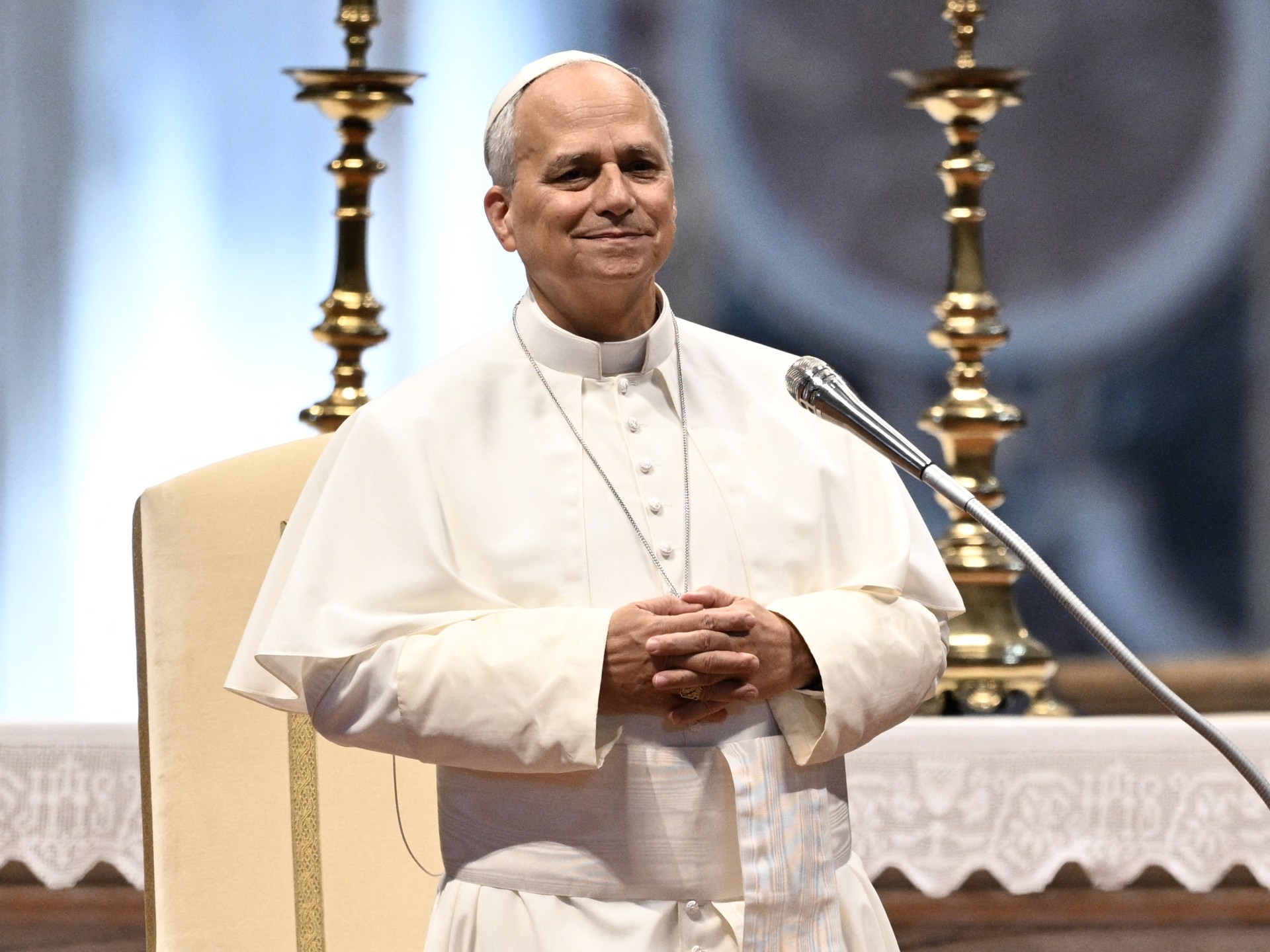
Geopolitical & Core Developments
Pope Leo has arrived in France for a landmark four-day state visit, marking the first papal trip to the nation in eighteen years. The visit unfolds against a backdrop of profound social and political transformation within the European Union's second-largest economy. As the Vatican seeks to recalibrate its diplomatic engagement with secular European democracies, the pontiff's itinerary includes high-level talks with French leadership on migration, European security, and the preservation of religious heritage. The diplomatic engagement highlights the enduring relevance of the Holy See as a soft-power actor in continental politics, even as traditional religious observance declines across Western Europe.
The timing of the visit is particularly delicate, coinciding with intense legislative debates in Paris regarding end-of-life care and assisted dying. The French government is advancing a controversial bill that would legalize aid-in-dying under strict conditions, a legislative push that places the French state on a direct collision course with Catholic social teaching. Pope Leo is expected to address these bioethical fault lines directly, reiterating the Church's unyielding stance on the sanctity of life while attempting to foster a constructive dialogue with secular legislators and civil society leaders.
Global Trade & Economic Ripples
While papal visits are primarily spiritual and diplomatic in nature, high-profile international engagements of this scale carry notable economic externalities, particularly for the tourism, hospitality, and security sectors in major European urban centers. Paris and other host cities have deployed substantial municipal resources to manage the logistics of the presidential-grade visit, affecting localized retail commerce and urban transit flows. Furthermore, the debates catalyzed by the visit—ranging from healthcare policy and bioethics to social welfare funding—resonate within the broader European services economy, influencing investor sentiment regarding healthcare sector regulations and pharmaceutical allocations for palliative care.
Beyond domestic commercial impacts, the discussions surrounding European social cohesion and regulatory harmonization carry subtle weight for international trade partners monitoring political stability in the eurozone. As France navigates internal fiscal constraints alongside sweeping social reforms, the intersection of ethics, law, and economics remains a critical variable for foreign investors assessing the broader stability of the French market. International commodity markets and energy supply chains, meanwhile, continue to monitor broader European regulatory shifts, recognizing that social stability and political consensus in Paris are vital to maintaining predictable trade environments across the continent.
Related Intelligence: India's Safety Crisis Ignites Regional Debate on Social Reform
International Reactions & Diplomatic Stances
Official reactions from multilateral institutions and international observers have emphasized the significance of the dialogue between the Holy See and secular European states. Representatives from the Council of Europe and various human rights bodies have noted that the debates surrounding assisted dying and institutional accountability reflect broader legal dilemmas confronting modern constitutional democracies. Neighboring European governments are observing the French discourse closely, viewing Paris as a bellwether for how continental nations balance traditional ethical frameworks with evolving civil rights legislation.
Market analysts and geopolitical risk consultancies point out that the visit underscores the persistent friction between global religious authorities and sovereign legislative agendas. While Vatican officials have stressed the importance of mutual respect and diplomatic cooperation, secular advocacy groups in France have voiced concerns over the potential influence of religious dogma on public policy. These divergent stances highlight the ongoing tension within European democracies regarding the separation of church and state, a debate that continues to shape legislative trajectories across the region.
Strategic Outlook & Future Scenarios
Looking ahead, the diplomatic outcomes of Pope Leo's French tour are expected to reverberate across forthcoming European summits and bilateral Vatican-EU engagements. The manner in which the French government navigates its legislative agenda on bioethics in the wake of the papal visit will likely set a precedent for other European nations grappling with similar demographic and social pressures. If the dialogue yields a framework for respectful coexistence between secular governance and religious values, it could defuse potential cultural polarization.
Conversely, an escalation of tensions over assisted dying and institutional reforms could deepen societal divisions within France, potentially impacting the broader political stability of the current administration. As global leaders prepare for upcoming international forums addressing human dignity, healthcare access, and ethical governance, the ideological fault lines exposed during this visit will remain central to strategic forecasting and diplomatic calculus across the international community.
Join Our Official WhatsApp Channel
Receive live commodity alerts, policy changes, and commercial intelligence directly on WhatsApp.