
Iran Reasserts Hormuz Terms Despite US Rejection
Tehran maintains strict conditions for reopening the vital Strait of Hormuz following a US rejection, exacerbating global energy fears and threatening Pakistan's domestic economic stability.
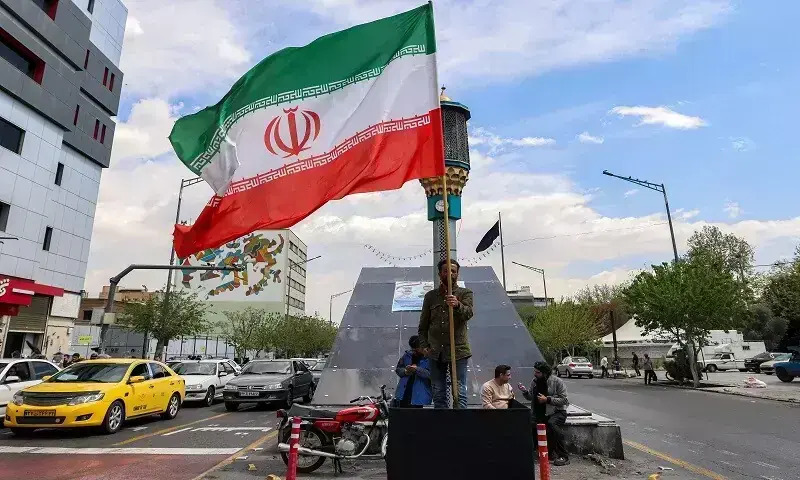
The Core Development
Iran stood firm on its stringent conditions for reopening the strategic Strait of Hormuz, defying a direct rejection from US President Donald Trump that had briefly sparked optimism for resolving the protracted Middle East conflict. The waterway, an indispensable chokepoint accounting for a massive share of the world's daily petroleum supply, has become the epicenter of escalating tensions between Washington and Tehran. This crisis originated nearly seven months ago following devastating military strikes on Iranian soil, setting off a dangerous cycle of retaliation and maritime security threats.
According to statements by Iranian Foreign Minister Abbas Araghchi, Tehran's reopening framework demands a total cessation of all ongoing hostilities across the Middle East, including active military engagements in Lebanon. Furthermore, the proposal insists on the full implementation of terms outlined in a previous ceasefire agreement that collapsed months ago. Despite the US administration dismissing these prerequisites as non-viable, Iranian leadership has signaled that diplomatic channels remain technically open, provided that regional adversaries commit to broader de-escalation terms.
Commercial & Economic Implications
For Pakistan, the prolonged closure and high-security volatility surrounding the Strait of Hormuz present profound economic vulnerabilities. As a net energy importer heavily reliant on Middle Eastern petroleum shipments, Pakistan's wholesale distribution networks, industrial manufacturing sectors, and retail markets are exceptionally sensitive to disruptions in this maritime artery. Any sustained blockage immediately translates into soaring global crude oil benchmarks, directly inflating domestic fuel pump prices and cascading through electricity tariffs.
Higher energy costs inevitably exacerbate inflationary pressures across Pakistan, squeezing consumer purchasing power and escalating production overheads for export-oriented industries such as textiles and agriculture. Supply chain bottlenecks threaten to delay essential imports of liquefied natural gas (LNG) and refined petroleum products, potentially forcing industrial curtailments and compounding existing fiscal deficits through increased import bills and trade imbalances.
Related Intelligence: Bangkok Floods Disrupt Regional Supply Chains and Global Trade Networks
Stakeholder Perspectives & Market Reactions
Local trader associations, chambers of commerce, and energy sector bodies in Pakistan have voiced deep apprehension regarding the protracted geopolitical standoff. Industry leaders warn that persistent uncertainty in the Persian Gulf will destabilize budgetary planning and inflate logistics expenses across local supply chains. Representatives from manufacturing sectors have called upon the Ministry of Commerce and the Ministry of Energy to proactively diversify fuel procurement channels and explore long-term bilateral trade arrangements with alternative suppliers to insulate the domestic economy from external shocks.
From a diplomatic standpoint, financial analysts in Islamabad emphasize that Pakistan must navigate these geopolitical fault lines with extreme caution. Legal and trade experts note that prolonged maritime disruptions could trigger severe balance-of-payments strains, complicating ongoing stabilization efforts under international financial programs.
Forward Outlook & Key Watchpoints
As the diplomatic deadlock persists, policymakers and market participants must closely monitor several critical indicators over the coming weeks. Key watchpoints include any shifts in US enforcement posture regarding secondary sanctions, potential naval escalations within the Persian Gulf, and emergency deliberations within the Organization of the Petroleum Exporting Countries (OPEC) regarding production adjustments.
Domestically, the trajectory of Pakistan's petroleum development levies, foreign exchange reserves, and headline inflation figures will depend heavily on whether backchannel diplomacy can yield an interim maritime corridor. Without a breakthrough in reopening the Strait of Hormuz, regional economic stability remains highly precarious, demanding vigilant contingency planning from both state authorities and commercial stakeholders.
Join Our Official WhatsApp Channel
Receive live commodity alerts, policy changes, and commercial intelligence directly on WhatsApp.