
Iran Pivot to Caspian Sea Route as Hormuz Crisis Deepens
Tehran is aggressively redirecting trade routes toward the Caspian Sea as ongoing US naval blockades severely impair southern export terminals.
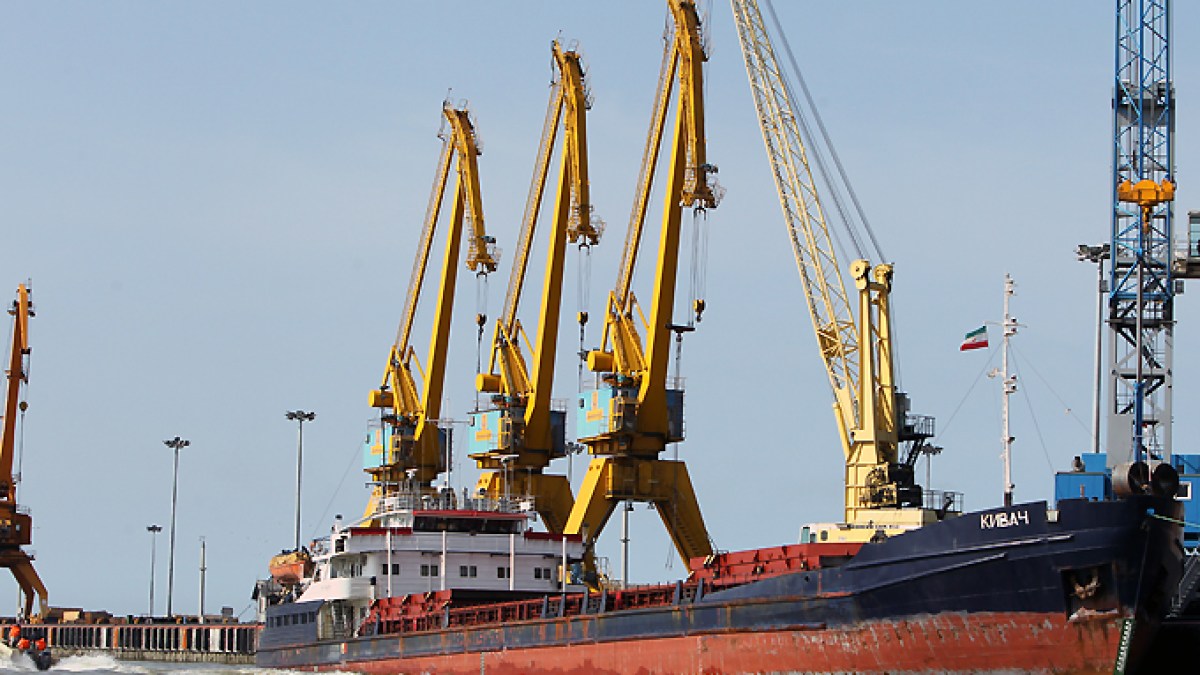
Geopolitical & Core Developments
The escalation of hostilities and sustained United States naval blockades along Iran's southern maritime boundaries have fundamentally disrupted traditional petroleum export channels. With the vital Strait of Hormuz facing severe operational bottlenecks and high security risks, Iranian state planners and commercial authorities are fast-tracking an alternative geopolitical and logistical pivot toward the north. By leveraging the Caspian Sea basin, Tehran aims to establish resilient trade corridors that bypass southern maritime chokepoints entirely, securing vital state revenues amidst mounting economic warfare.
This strategic realignment involves intensifying cooperation with northern neighbors, particularly Russia and Central Asian republics, utilizing the International North-South Transport Corridor (INSTC). Upgrades to Caspian ports such as Amirabad and Anzali are being prioritized to handle increased throughput of crude oil, refined petroleum products, and dry bulk commodities. However, shifting infrastructural reliance northward presents immense engineering and logistical challenges, requiring substantial capital investment and coordinated diplomatic engagement with littoral states that remain wary of secondary Western sanctions.
Global Trade & Economic Ripples
The partial constriction of Iranian crude exports via traditional southern routes has introduced acute volatility into global energy markets. While the Strait of Hormuz remains the primary artery for Middle Eastern petroleum, the inability to guarantee safe passage has forced shipping insurers to skyrocket premiums, effectively pricing out numerous independent operators. Consequently, international benchmark crude prices have experienced upward pressure, complicating central bank inflation fights across major importing economies in Asia and Europe.
Beyond energy, global supply chains connecting South Asia and the Middle East to Russia and Eastern Europe are undergoing forced adaptation. Shifting trade flows northward increases transit times and strains rail and port infrastructures in the Caspian region, which were historically not designed to absorb high-volume transcontinental petroleum shipments. Freight rates for non-oceanic and land-bridge logistics have surged, directly impacting commodity pricing for petrochemicals, steel, and agricultural goods moving through the Eurasian economic corridor.
Related Intelligence: Israeli Opposition Coalition Shifts Middle East Political Calculus
International Reactions & Diplomatic Stances
International bodies and major economic players have responded with cautious vigilance to Tehran's northern pivot. Western capitals view the Caspian trade rerouting as an attempt to evade sweeping sanctions regimes, prompting intelligence agencies to closely monitor vessel transits and financial transactions involving Caspian port authorities. Washington has reiterated its commitment to enforcing strict compliance, signaling potential secondary penalties for entities facilitating Iranian energy exports through northern corridors.
Conversely, Moscow and regional Eurasian partners have demonstrated a willingness to expand bilateral trade frameworks, viewing the disruption as an opportunity to integrate regional transport networks. Market analysts note that while the INSTC offers a viable sanctions-evasion mechanism for Tehran, its long-term commercial viability depends heavily on the willingness of regional financial institutions to risk Western punitive measures. Multilateral trade organizations have emphasized the urgent need for diplomatic de-escalation to prevent permanent fragmentation of global maritime trade routes.
Strategic Outlook & Future Scenarios
Looking ahead, the trajectory of Iran's northern trade strategy will hinge on the duration and intensity of the southern naval blockade. If military tensions in the Persian Gulf persist, accelerated integration with the Caspian basin could permanently alter Middle Eastern and Eurasian trade maps, institutionalizing new energy flows that bypass Western-controlled maritime lanes.
Upcoming multilateral summits among Caspian littoral states are expected to focus heavily on harmonizing customs procedures, expanding pipeline capacities, and securing joint financing for transport infrastructure. Nevertheless, the looming threat of expanded secondary sanctions remains a powerful deterrent for international investors. Unless diplomatic channels yield a breakthrough on regional security, global commodity markets must price in a permanent risk premium associated with the fragmentation of Iranian export infrastructure.
Join Our Official WhatsApp Channel
Receive live commodity alerts, policy changes, and commercial intelligence directly on WhatsApp.