
Iran Rejects Airbase Attack Link as UK Vows Proxy Action
Tehran denies involvement in a recent airbase attack while the UK vows countermeasures against Iranian regional proxies, escalating geopolitical tensions and risking global energy market stability.
Geopolitical & Core Developments
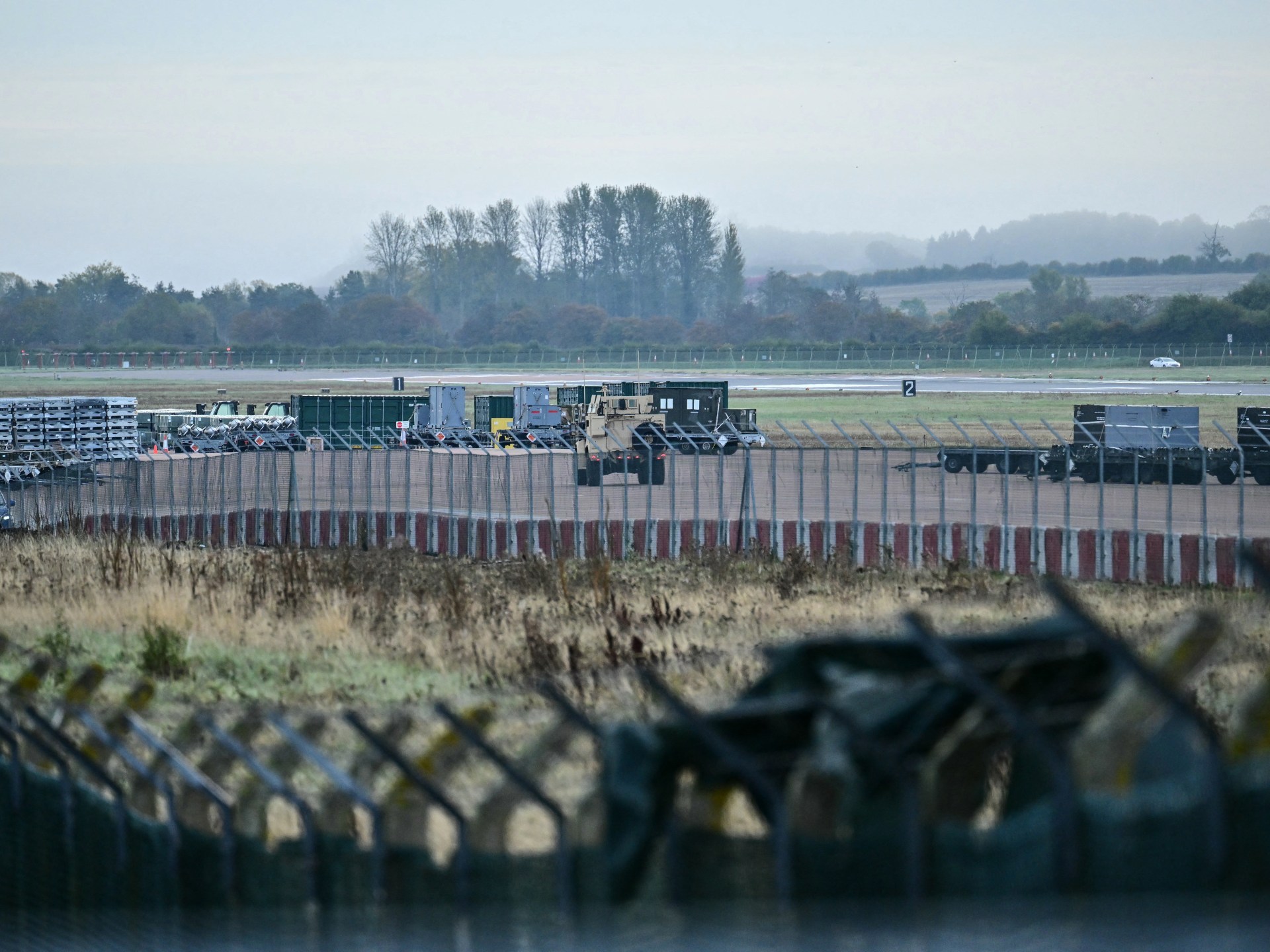
Tensions across the Middle East have escalated sharply following a high-profile attack on a strategic regional airbase, drawing immediate diplomatic condemnation and strategic maneuvering among global powers. Government officials in Tehran have forcefully rejected any direct or indirect link to the strike, condemning allegations from Western capitals as unfounded and malicious speculation designed to destabilize regional diplomacy. Iranian state representatives emphasized that independent actors operate within the theater without direct command from the central government, though Western intelligence agencies remain skeptical of these disavowals.
In response to the security breach, British ministerial officials adopted a hardline stance. The United Kingdom's Foreign Secretary publicly vowed to take decisive action against what London termed the regional proxies of Iran. This diplomatic escalation marks a critical juncture in international relations, shifting the focus from localized skirmishes to a broader confrontation involving state-sponsored non-state actors. Strategic analysts note that intelligence-sharing between Western allies has intensified, with military planners reviewing defensive postures across vital installations throughout the Gulf region.
Global Trade & Economic Ripples
The geopolitical friction immediately reverberated through global commodity markets, particularly impacting energy trading and maritime logistics. Crude oil benchmarks experienced heightened volatility as traders factored in the growing risk of retaliatory strikes targeting key regional oil infrastructure or vital shipping choke points, such as the Strait of Hormuz. Any sustained escalation in this theater threatens to choke petroleum flows, driving up input costs for manufacturing and transportation worldwide.
Beyond crude markets, agricultural and industrial supply chains tied to Middle Eastern trade routes face mounting uncertainties. Freight forwarders and maritime insurance syndicates have begun adjusting risk premiums for vessels transiting the Arabian Gulf and Red Sea corridors. These rising operational costs risk compounding inflationary pressures currently managed by central banks across North America and Europe, as higher transit expenses filter down into consumer goods and raw material pricing.
Related Intelligence: Tragic Channel Crossing Death Escalates Migration Crisis and Maritime Security Pressures
International Reactions & Diplomatic Stances
Mediterranean and European capitals have urged immediate de-escalation, with representatives from the United Nations calling for restraint from all involved state and non-state actors. Multilateral bodies have expressed grave concern that miscalculations on the ground could trigger a wider regional conflict that would devastate international trade. European Union diplomats are currently engaged in backchannel communications with Iranian counterparts to prevent further deterioration of diplomatic ties.
Market analysts and geopolitical risk consultancies have issued advisory notes warning corporate boards to stress-test their supply chain resilience. Financial institutions are closely monitoring foreign exchange markets, where safe-haven currencies like the US dollar and Swiss franc have seen modest inflows amid the deepening uncertainty. Investors remain wary of sudden policy shifts or emergency sanctions that could be deployed if the security situation deteriorates further.
Strategic Outlook & Future Scenarios
Looking ahead, the trajectory of this crisis will likely depend on the nature and scale of any countermeasures executed by Western allies against regional militias. Upcoming international summits and emergency security briefings are expected to focus heavily on containment strategies and maritime security protocols. Observers suggest that while all major powers wish to avoid a direct military confrontation, the proliferation of proxy warfare leaves little room for diplomatic error.
Sanctions compliance teams are already reviewing potential new restrictive measures targeting financial networks that support militant groups in the region. Should diplomatic channels fail to defuse the standoff, prolonged friction will likely become the baseline for Middle Eastern commerce, altering investment patterns and energy sourcing strategies for the foreseeable future.
Join Our Official WhatsApp Channel
Receive live commodity alerts, policy changes, and commercial intelligence directly on WhatsApp.