
Indonesian Retail Explosion Triggers Industrial Safety Scrutiny
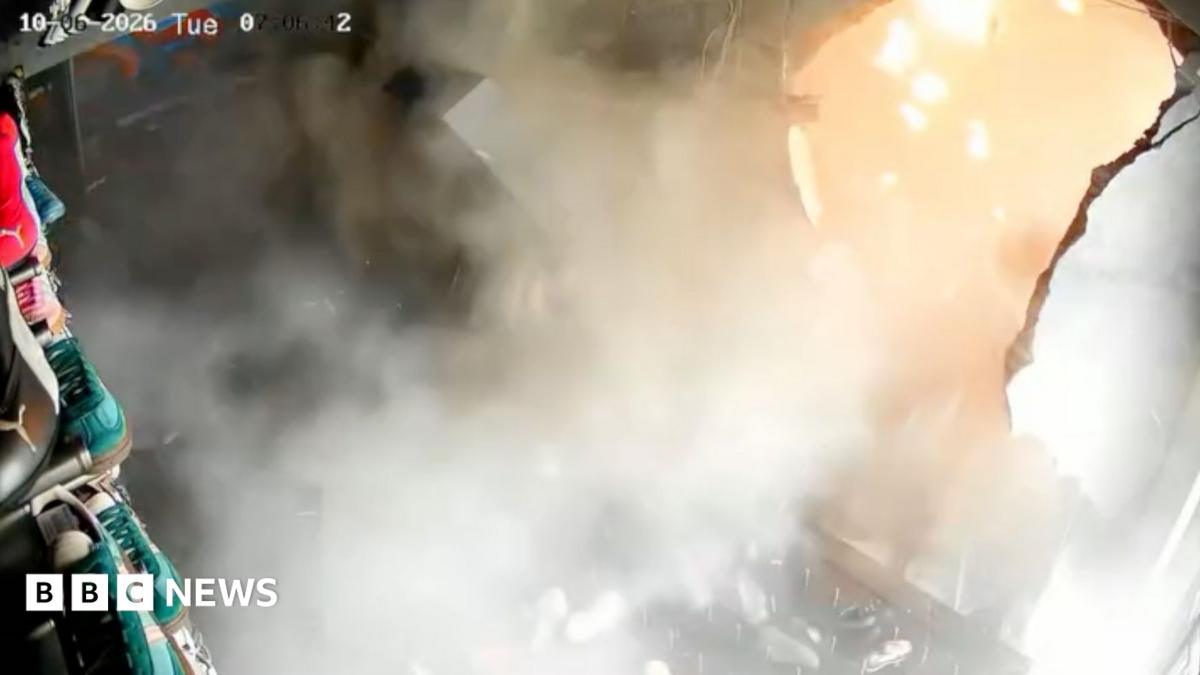
An explosion at an Indonesian sneaker shop, suspected to stem from a gas leak, has prompted urgent infrastructure safety reviews across Southeast Asian commercial sectors.
Geopolitical & Core Developments
In the heart of Indonesia's bustling commercial districts, a sudden and violent explosion completely devastated a prominent retail sneaker establishment, sending shockwaves through the local business community and drawing immediate attention from national regulatory authorities. Initial forensic investigations conducted by local law enforcement and disaster management agencies indicate that the catastrophic structural failure was strongly suspected to be caused by an accidental gas leak within the commercial complex. While emergency responders swiftly secured the perimeter and evacuated surrounding structures to prevent secondary blasts, the incident has instantly escalated into a high-profile case study regarding municipal infrastructure integrity, commercial building codes, and public safety oversight in fast-growing urban centers across Southeast Asia. State actors and municipal officials are now facing mounting pressure to expedite comprehensive safety audits across high-density retail zones to prevent similar industrial and commercial accidents.
[Global Trade](/news/black-sea-grain-strike-escalates-maritime-risks-global-trade) & Economic Ripples
Although localized in its immediate physical footprint, retail disruptions of this magnitude carry measurable implications for broader supply chains, consumer goods distribution, and commercial real estate valuations within emerging markets. Indonesia remains a critical consumption engine within the broader ASEAN economic framework, where retail sector dynamism directly influences foreign direct investment and domestic consumer confidence indices. The sudden destruction of key retail infrastructure highlights vulnerabilities in commercial property management, potentially driving up compliance costs, insurance premiums, and safety retrofitting expenditures for multinational and local brands operating across the region. Furthermore, international commodity markets and energy regulators are taking note of commercial gas distribution networks, as safety standards for liquefied petroleum gas and municipal utility lines undergo intense re-evaluation by regional trade bodies and municipal authorities seeking to mitigate systemic urban risks.
Related Intelligence: Pakistan Adjusts Fuel Prices with Minor Petrol Hike and Diesel Relief
International Reactions & Diplomatic Stances
In the wake of the disaster, international trade associations, regional chambers of commerce, and multilateral safety monitoring bodies have expressed solidarity with local authorities while emphasizing the urgent need for stringent regulatory enforcement. Market analysts and risk assessment firms have issued advisory notes to foreign investors operating in the region, urging comprehensive due diligence regarding commercial leasehold safety, utility infrastructure compliance, and emergency response readiness. While the incident has not triggered direct geopolitical friction or diplomatic disputes between sovereign states, it serves as a potent reminder of the non-commercial risks that can disrupt retail operations, supply chain continuity, and capital allocation strategies in high-growth developing economies.
Strategic Outlook & Future Scenarios
Looking ahead, the fallout from the Indonesian retail explosion is expected to catalyze sweeping regulatory reforms concerning commercial gas infrastructure and building safety standards across the archipelago. Municipal governments are anticipated to introduce mandatory compliance checks for retail establishments operating in high-density urban zones, potentially leading to short-term operational friction for local and international brands as they upgrade legacy infrastructure. For global supply chain managers and commercial real estate investors, the event underscores the critical importance of robust risk management frameworks, rigorous facility audits, and proactive engagement with local regulatory bodies to safeguard personnel, capital assets, and long-term commercial viability in dynamic emerging markets.
Join Our Official WhatsApp Channel
Receive live commodity alerts, policy changes, and commercial intelligence directly on WhatsApp.