
Pakistan and Turkiye Expand Strategic Support for Saudi Yemen Operations
Pakistan and Turkiye are providing strategic and operational support to Saudi Arabia in anti-Houthi operations in Yemen, reinforcing regional security alliances and impacting maritime trade dynamics.
The Core Development
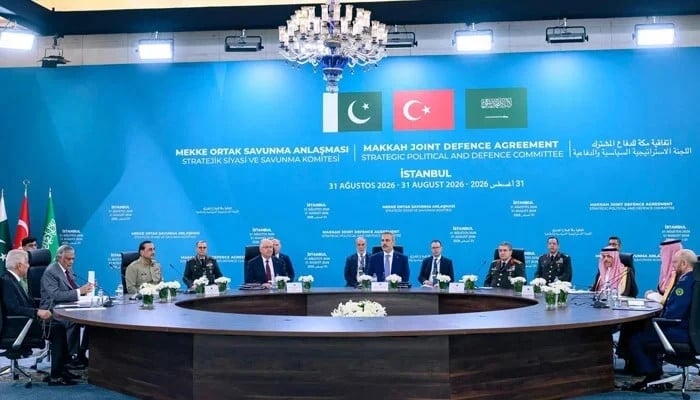
Pakistan and Turkiye have reinforced their strategic alignment with Riyadh by extending robust support to Saudi Arabia in its ongoing anti-Houthi operations in Yemen. According to official defense disclosures, this trilateral cooperation involves heightened intelligence sharing, logistical coordination, and strategic defense consultations aimed at securing critical regional infrastructure and maritime chokepoints. The development marks a significant consolidation of military diplomacy among key Muslim-majority states, responding directly to persistent cross-border security threats targeting the Arabian Peninsula's vital energy installations and commercial shipping lanes.
The involvement of Islamabad and Ankara reflects a calculated shift toward collective security frameworks in the Middle East. Over recent months, Houthi drone and missile campaigns have intensified, threatening regional stability and disrupting vital maritime transit routes. By extending diplomatic, logistical, and intelligence backing to the Saudi-led coalition, Pakistan and Turkiye aim to deter further escalation while safeguarding international trade arteries that remain indispensable to global commerce.
Commercial & Economic Implications
For Pakistan, developments in the Arabian Peninsula carry immediate economic reverberations, primarily through the channels of energy security, global shipping rates, and expatriate remittances. Any sustained volatility in the Red Sea and Gulf of Aden corridor directly influences freight insurance premiums, vessel charter rates, and transit times for Pakistani imports and exports connecting with European and Mediterranean markets.
Furthermore, Pakistan's domestic economy remains acutely sensitive to international petroleum pricing. Heightened security risks in Yemen threaten global oil supply stability, which can rapidly translate into inflated import bills for crude oil and refined products. For retail trade and wholesale distribution networks across Pakistan, higher energy input costs cascade through domestic supply chains, exerting upward pressure on transportation, manufacturing, and consumer price inflation. Policymakers at the Ministry of Finance and the State Bank of Pakistan are closely monitoring these geopolitical friction points to manage foreign exchange reserves and insulate domestic markets from external supply shocks.
Related Intelligence: Yemen Frontline Education Crisis Threatens Regional Stability and Trade Routes
Stakeholder Perspectives & Market Reactions
Business councils, industrial associations, and economic analysts in Pakistan have expressed cautious vigilance regarding the defense pact's broader economic externalities. While the Federation of Pakistan Chambers of Commerce and Industry (FPCCI) acknowledges the strategic imperative of securing key trade routes and maintaining stable diplomatic ties with Gulf Cooperation Council (GCC) partners, industrial leaders have voiced concerns over potential volatility in freight markets.
Logistics operators note that uncertainty surrounding regional security increases operational overheads, forcing shipping lines to factor in elevated risk premiums. Conversely, defense analysts and policy think tanks have lauded the move as a demonstration of Pakistan's enduring security commitments to Saudi Arabia, emphasizing that regional stability is a prerequisite for sustained foreign direct investment and bilateral economic partnerships within the region.
Forward Outlook & Key Watchpoints
As the situation in Yemen continues to evolve, market observers and defense experts have identified several critical indicators to monitor over the coming quarters. Key watchpoints include the frequency and scale of Houthi tactical engagements, the tangible extent of Turkish-Pakistani operational integration with Saudi forces, and any resulting shifts in Red Sea maritime traffic insurance rates.
For Pakistan's trade and economic policymakers, maintaining close alignment with Gulf allies remains a cornerstone of fiscal and external stability. However, mitigating secondary economic impacts—such as imported inflation and shipping delays—will require proactive supply chain diversification and agile trade diplomacy as geopolitical dynamics unfold across the Middle East.
Join Our Official WhatsApp Channel
Receive live commodity alerts, policy changes, and commercial intelligence directly on WhatsApp.