
US Approves Execution for Fort Hood Gunman Nidal Hasan
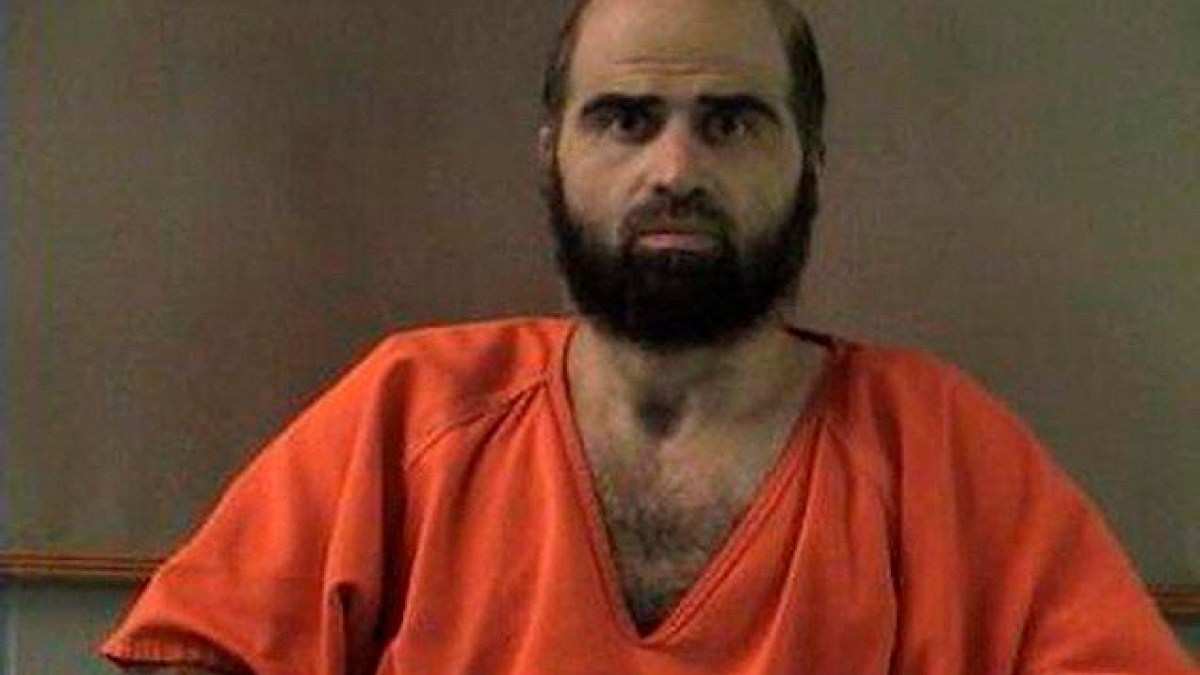
The Pentagon has confirmed the approval of an execution order for Nidal Hasan, who was convicted of killing 13 people during the 2009 Fort Hood shooting rampage.
Geopolitical & Core Developments
The United States Department of Defense has officially confirmed the approval of an execution order for Major Nidal Hasan, the former Army psychiatrist convicted of the mass shooting at Fort Hood, Texas, in November 2009. The attack, which left 13 people dead and more than 30 wounded, remains one of the most devastating acts of violence on a domestic U.S. military installation in modern history. Hasan was convicted by a military jury in 2013 and sentenced to death, but the case has since navigated a complex labyrinth of military appellate reviews and legal challenges. The recent administrative advancement toward carrying out the sentence highlights the protracted nature of military capital punishment in the United States and underscores ongoing debates within federal and defense institutions regarding justice for victims of domestic military terrorism. The legal journey has spanned more than a decade, drawing intense scrutiny from veterans advocacy groups, legal scholars, and government officials alike as the state moves toward the ultimate resolution of a deeply painful national trauma.
Global Trade & Economic Ripples
While the confirmation of the execution order for Nidal Hasan is fundamentally a matter of domestic criminal jurisprudence and military law, high-profile security developments within the United States frequently reverberate across global sentiment channels. International markets and commercial entities continuously monitor U.S. domestic stability, defense readiness, and internal security posture as indicators of systemic risk. Although this specific legal action does not directly impact global commodity pricing, energy futures, or maritime shipping lanes, heightened security protocols across U.S. military installations worldwide can occasionally influence logistics, personnel movements, and defense contractor operations. Global financial institutions and multinational corporations track domestic U.S. legal and political milestones to gauge the overall stability and regulatory predictability of the world's largest economy. In the broader context of international trade, the maintenance of strict rule of law and the definitive conclusion of high-profile terrorism cases reinforce confidence in the institutional resilience of the North American market, indirectly supporting stable foreign investment flows.
Related Intelligence: Yemen Frontline Education Crisis Threatens Regional Stability and Trade Routes
International Reactions & Diplomatic Stances
Given that the Fort Hood shooting was prosecuted strictly under the Uniform Code of Military Justice as a domestic criminal and terrorist act, foreign governments and multilateral bodies have largely viewed the development through the lens of internal legal administration. Human rights organizations and international legal observers, however, maintain a watchful eye on capital punishment cases within the United States, frequently reiterating global debates surrounding the ethics and application of the death penalty in Western democracies. European allies and international legal watchdogs often scrutinize U.S. federal and military executions, though official diplomatic protests are typically reserved for foreign nationals rather than American citizens. Domestically, veterans organizations and families of the Fort Hood victims have expressed a complex mix of sorrow, relief, and exhaustion as the legal process nears its final chapter, emphasizing the enduring psychological scars left by the 2009 tragedy across the global military community.
Strategic Outlook & Future Scenarios
As the military justice system prepares for the next phase of the process, legal experts anticipate additional appeals and motions from defense counsel seeking to stay the execution or commute the sentence to life imprisonment without parole. The timeline for the execution remains subject to further judicial reviews, administrative protocols, and potential intervention points within the federal court system. Beyond the immediate courtroom battles, the case serves as a benchmark for how the United States Department of Defense handles insider threats, radicalization within the ranks, and the administration of military justice in cases of mass casualty terrorism. Future policy discussions within the Pentagon are expected to continually reference the Fort Hood tragedy as a pivotal moment that reshaped threat detection, inter-agency intelligence sharing, and force protection measures across global U.S. military deployments for years to come.
Join Our Official WhatsApp Channel
Receive live commodity alerts, policy changes, and commercial intelligence directly on WhatsApp.