
Global Food Crisis Deepens as Systemic Waste Dislocates Agrifood Markets
Amid severe structural disparities, over one billion tonnes of food is wasted annually while 645 million people face acute hunger, heightening pressures on global trade and agricultural logistics.
Geopolitical & Core Developments
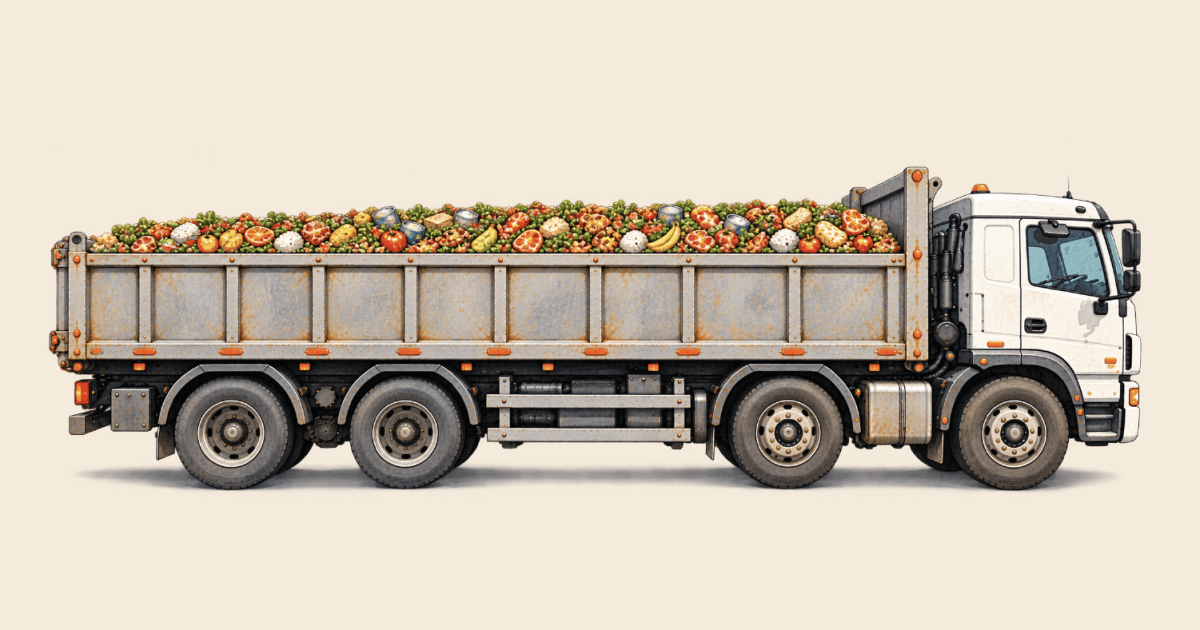
The paradox of the 21st-century global food architecture has reached an acute inflection point. While international observers mark World Food Day under the shadow of an estimated 645 million people suffering from chronic undernourishment, agricultural oversight bodies report that more than one billion tonnes of consumable food is discarded annually across the global supply chain. This staggering imbalance is not merely an ethical dilemma; it constitutes a profound structural failure at the intersection of international diplomacy, trade economics, and infrastructure parity.
Industrialized economies—predominantly across North America, Western Europe, and parts of East Asia—continue to generate the vast majority of consumer-level food waste due to stringent retail cosmetic standards, surplus procurement policies, and rapid retail turnover. Conversely, in developing regions across Sub-Saharan Africa, South Asia, and Latin America, food loss occurs primarily at the post-harvest, transport, and intermediary storage phases. The divergence underscores a geopolitical divide where advanced sovereign states navigate consumer excess while emerging economies struggle against logistical fragility, localized climate shocks, and disrupted supply channels.
[Global Trade](/news/us-midterm-voter-discontent-signals-global-trade-shifts) & Economic Ripples
The economic implications of systemic agricultural inefficiency cascade directly into global commodity pricing, freight markets, and fiscal balances. Food waste represents an invisible, recurring drain on productive capital. When one billion tonnes of agricultural output is lost, embedded inputs—including synthetic fertilizers, freshwater resources, mechanized labor, and maritime transit capacity—are wiped from balance sheets without economic return.
This structural loss exacerbates price volatility on major futures exchanges, such as the Chicago Board of Trade (CBOT) and Euronext, where soft commodities like wheat, maize, and oilseeds already face upward pressure from geopolitical conflicts and extreme weather events. Emerging market importers, reliant on hard currency reserves to subsidize basic foodstuffs, find their fiscal deficits widening. Furthermore, the misallocation of agricultural bulk freight ties up valuable dry-bulk shipping lanes and cold-chain capacity, creating artificial shipping bottlenecks and raising baseline logistical costs for international traders.
Related Intelligence: US Aviation Sanctions Squeeze Iranian Travel and Disrupt Regional Commercial Corridors
International Reactions & Diplomatic Stances
Multilateral bodies have sharpened their rhetoric, calling for coordinated national policy interventions to arrest trade distortions. The United Nations Food and Agriculture Organization (FAO) and the World Food Programme (WFP) have repeatedly emphasized that achieving Sustainable Development Goal 12.3—halving per capita global food waste by 2030—is directly linked to stabilizing global security and food affordability.
Representatives from the G20 agriculture working groups have highlighted the need for private-public partnerships to finance temperature-controlled logistics in agrarian frontiers. Bilateral development agencies have likewise faced mounting pressure to shift aid paradigms away from direct commodity transfers toward post-harvest capital investments, such as hermetic storage facilities and solar-powered cold storage hubs. Meanwhile, international consumer coalitions across OECD countries are pressing legislative bodies to penalize commercial food waste and mandate corporate distribution of surplus inventories to humanitarian channels.
Strategic Outlook & Future Scenarios
Looking ahead, the international trade architecture must adapt to rising demands for accountability across agrifood supply networks. Importers and sovereign buyers are anticipated to embed stringent waste-reduction metrics into bilateral trade agreements and environmental, social, and governance (ESG) compliance frameworks. The European Union's regulatory push to mandate corporate supply chain transparency will force agricultural exporters in developing jurisdictions to upgrade processing and transport integrity or risk losing preferential market access.
Over the medium term, the risk landscape suggests that failure to correct supply-chain inefficiencies will intensify food insecurity in import-reliant sovereign states, driving social instability and migration flows. Unless forthcoming international summits, including the upcoming UN climate deliberations and WTO ministerial gatherings, produce binding commitments to fund agrifood infrastructure, the global commodity complex will remain chronically vulnerable to compounding supply shocks. Market operators must prepare for tighter regulatory enforcement, increased compliance overhead, and an imperative shift toward resilient, waste-minimized supply chain networks.
Join Our Official WhatsApp Channel
Receive live commodity alerts, policy changes, and commercial intelligence directly on WhatsApp.