
Indian Police Detain Dissident Leaders in New Delhi Amid Tightening Assembly Controls
Police in New Delhi detained leaders of the Cockroach Janta Party following unauthorized assemblies, highlighting persistent domestic security tensions and municipal restrictions on political mobilization.
Geopolitical & Core Developments
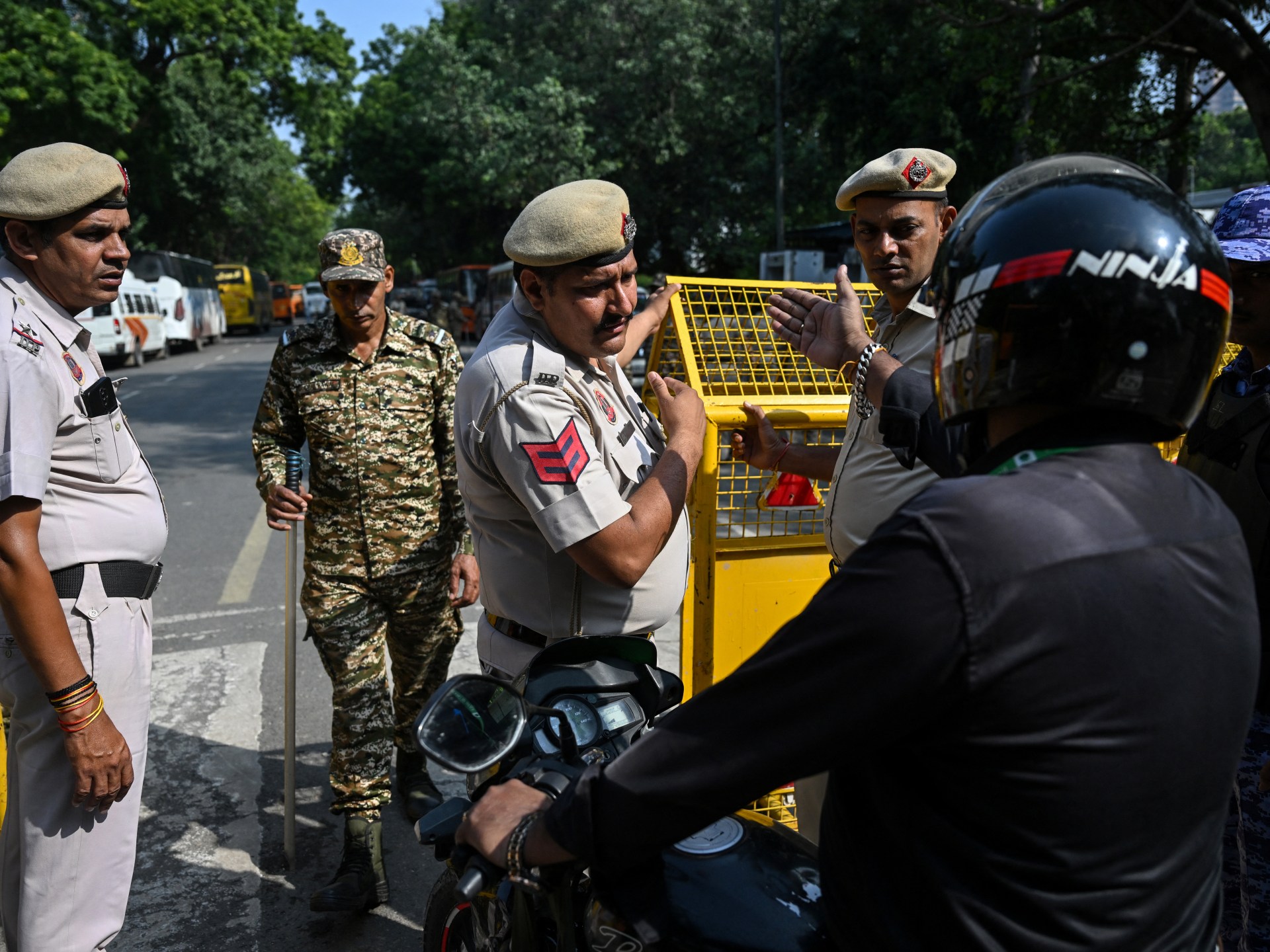
Law enforcement personnel in New Delhi moved swiftly to detain key organizers and volunteers representing the Cockroach Janta Party after the group breached designated security perimeters at a central public assembly zone. Municipal authorities had previously classified the site as strictly off-limits, citing concerns over public order, municipal transit disruption, and heightened urban security protocols. The detentions occurred against a broader backdrop of centralized efforts to regulate mass gatherings across India's National Capital Region.
The demonstration reflects continuous friction between emergent non-traditional political entities and the administrative apparatus in the world's most populous democracy. The group, which adopts satirical and provocative nomenclature to highlight socio-economic grievances, targeted the restricted site to register systemic dissent against municipal governance and bureaucratic overreach. As security contingents deployed preventative cordons, several leaders were bundled into police vehicles, sparking brief altercations between demonstrators and security forces before the site was cleared.
Global Trade & Economic Ripples
While localized political demonstrations rarely trigger direct shocks in international commodity flows, structural patterns of domestic civil friction within major industrial powerhouses like India remain a critical parameter for sovereign risk modeling. India serves as a keystone of global supply chain diversification, particularly across pharmaceuticals, technology hardware manufacturing, and agricultural commodities such as rice and sugar.
Financial analysts consistently monitor civic unrest in Tier-1 logistics and administrative corridors. Any escalation that risks disrupting transport nodes, regional labor access, or public administration can inject localized volatility into domestic supply lines and the Indian Rupee. For international institutional investors allocating capital to emerging market equities, sustained domestic friction signals rising regulatory scrutiny and municipal interventions that could periodically delay commercial projects or infrastructure modernization timelines.
Related Intelligence: Iraq Human Rights Scrutiny Threatens Foreign Investment and Rebuilding Initiatives
International Reactions & Diplomatic Stances
International diplomatic observers and multilateral rights monitoring bodies have maintained a steady watch on the evolving space for civic participation and free assembly within the subcontinent. Representatives from international human rights bodies have reiterated previous calls for state security apparatuses to balance urban regulation with constitutionally guaranteed freedoms of peaceful assembly.
Conversely, state officials and internal security planners have defended the enforcement actions, maintaining that municipal stability and the uninterrupted functioning of federal governance require rigorous compliance with designated protest zones. Independent market analysts point out that foreign direct investment flows have historically prioritized domestic security and logistical predictability, meaning international corporate leaders typically treat municipal public-order enforcements as standard domestic administrative procedures unless systemic disruption ensues.
Strategic Outlook & Future Scenarios
Looking ahead, the friction observed in New Delhi highlights an underlying challenge facing rapid-growth economies: balancing political democratization and dissent with centralized economic directives. As the country positions itself as an indispensable counterweight in Indo-Pacific commerce and manufacturing, administrative authorities will likely maintain strict control over urban public spaces to project stability to foreign counterparties.
The trajectory of non-traditional political movements will hinge on their capacity to sustain momentum despite institutional resistance. Should decentralized protests spread beyond the capital into critical industrial belts or manufacturing hubs, supply chain executives will need to recalibrate inventory risk. In the near term, administrative containment is expected to hold, keeping broader sovereign credit metrics and trade flows insulated from immediate geopolitical contagion.
Join Our Official WhatsApp Channel
Receive live commodity alerts, policy changes, and commercial intelligence directly on WhatsApp.