
Global Data Center Surge Strains Island Water Security and Infrastructure
The rapid expansion of artificial intelligence data centers is causing severe water depletion across island municipalities, intensifying resource competition between technology conglomerates and local populations.
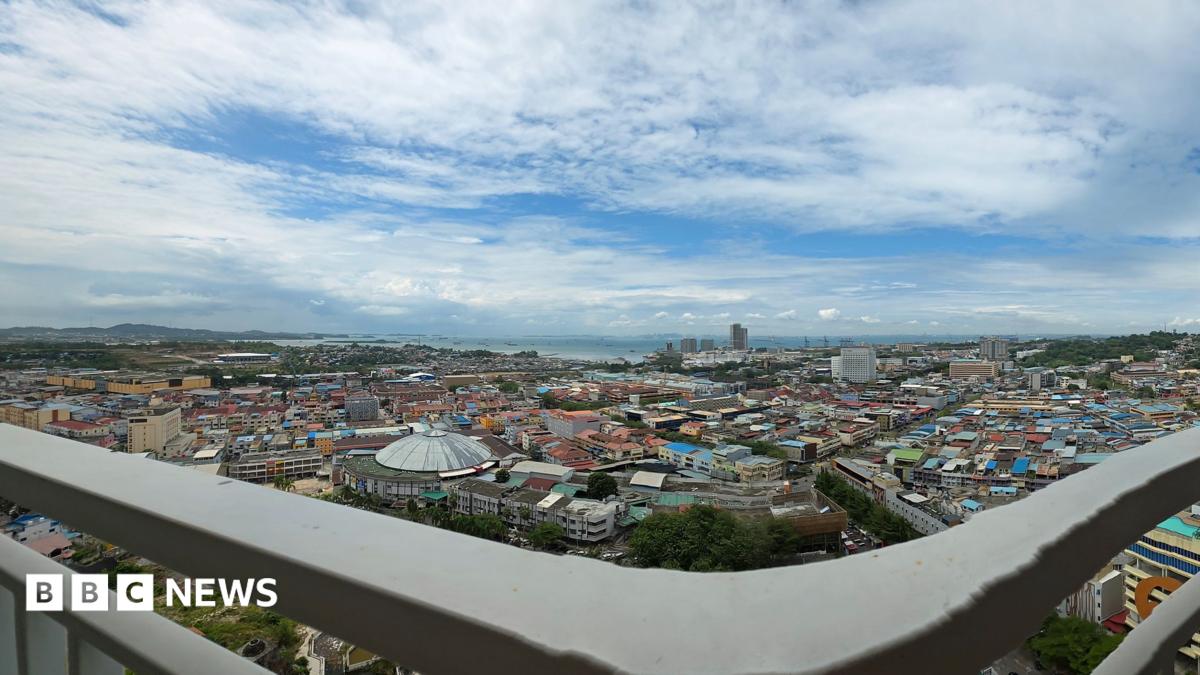
Geopolitical & Core Developments
The worldwide acceleration of digital infrastructure investment has encountered a physical bottleneck across vulnerable geographies, as localized water reserves face severe exhaustion from industrial cooling requirements. Recent investigations reveal that residents in island municipalities hosting expanding server farms have experienced prolonged utility blackouts, with tap water access suspended for months at a time. The friction illustrates a growing structural divide between sovereign digital transformation agendas and fundamental domestic resource security.
Over the past decade, multi-national technology corporations have secured concessions across isolated jurisdictions, drawn by favorable tax incentives, maritime proximity for subsea cable landings, and low-cost land leases. However, the technological pivot toward computationally intensive artificial intelligence workloads has exponentially multiplied the thermal output of server architectures. Cooling these industrial-scale facilities demands millions of gallons of potable water daily, placing acute stress on localized aquifers that lack the regenerative capacity of continental hydrological basins. Consequently, municipal administrators are caught between contractual investment commitments to transnational capital and basic governance obligations to sustain their domestic populations.
Global Trade & Economic Ripples
The localized competition for water reflects a broader economic realignment across the technology and infrastructure sectors. As freshwater supplies tighten, data center operators face escalating operational expenditures associated with alternative cooling technologies, including closed-loop mechanical chillers, direct-to-chip liquid cooling, and industrial desalination plants. These capital-intensive adaptations directly raise marginal computing costs, sending ripples across cloud computing subscription rates, enterprise software pricing, and venture deployments worldwide.
Simultaneously, the situation introduces supply chain vulnerabilities to the digital economy. Island nodes serve as crucial transit relays in global internet routing and financial transaction networks. If municipal authorities are forced to ration utilities or impose moratoria on cooling intake, corporate operators face unplanned downtime risks or curtailed throughput capacity. Moreover, the procurement shift toward industrial water rights is distorting local agricultural commodity prices and municipal utility tariffs, forcing regional economies to absorb higher inflationary pressures.
International Reactions & Diplomatic Stances
Multilateral bodies and environmental regulators are beginning to scrutinize the socio-environmental footprints of digital real estate. Representatives from the United Nations Environment Programme have repeatedly warned that unchecked industrial water extraction in small island jurisdictions directly undermines Sustainable Development Goal targets on clean water and sanitation. Human rights advocates argue that domestic access to clean water must legally supersede industrial cooling allowances during seasonal droughts.
In response, technology operators maintain that ongoing capital expenditures include transition timelines toward water-positive operations, utilizing treated wastewater and closed-loop thermodynamic mechanisms by the close of the decade. Nonetheless, sovereign regulatory bodies across the European Union and North America are assessing mandatory disclosure requirements concerning corporate water consumption metrics, signaling a shift from voluntary corporate social responsibility frameworks toward enforceable statutory compliance.
Strategic Outlook & Future Scenarios
The dispute over water allocations signifies an emerging era of environmental protectionism surrounding digital infrastructure development. In the near term, sovereign island governments are expected to impose stringent zoning ordinances, moratoriums on evaporative cooling licenses, and mandatory private desalination investments for all prospective data center developments.
Moving forward, regional geopolitical competition to attract enterprise technology investments will increasingly hinge on demonstrated utility resilience. Jurisdictions unable to decouple digital infrastructure growth from localized environmental depletion will face heightened social unrest, legal challenges from local communities, and regulatory pushback. Over the medium term, institutional capital is likely to reroute toward locations with access to redundant power grids and sustainable water alternatives, redefining the geography of global computational networks.
Join Our Official WhatsApp Channel
Receive live commodity alerts, policy changes, and commercial intelligence directly on WhatsApp.