
Indian Media Claims Occupied Kashmir Casualty Was Pakistan Army Veteran
Indian media reports allege that an individual killed in an occupied Kashmir encounter was a retired Pakistan Army soldier linked to a banned group.
The Core Development
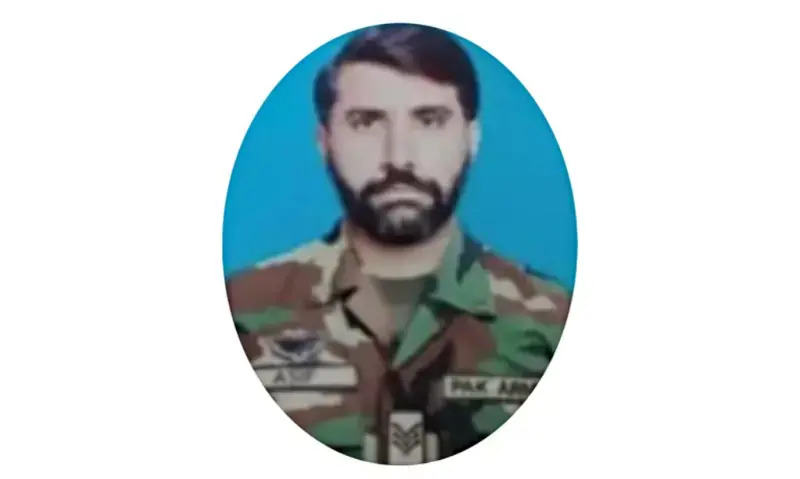
Indian media outlets have advanced serious allegations claiming that an individual neutralized during an alleged security encounter in the Korag area of Indian-occupied Kashmir was an active-duty or retired member of the Pakistan military. According to reports propagated by the Asian News International (ANI) citing anonymous intelligence sources, the deceased has been identified as Mohammad Asif, alias Hashim Moosa.
Indian news channels broadcasted detailed assertions regarding the background of the individual, claiming he was born on March 7, 1980, inducted into the Pakistan Army in the year 2000 under service number PA-3106947, and subsequently retired holding the rank of Havildar. Furthermore, these reports connect the deceased individual to the banned militant organization Lashkar-e-Taiba (LeT), alleging operational deployment in the disputed region. These unverified claims have surfaced amid heightened security postures along the Line of Control, amplifying the war of narratives between Islamabad and New Delhi.
Commercial & Economic Implications
While geopolitical friction between nuclear-armed neighbors primarily dictates diplomatic and security domains, persistent cross-border tensions carry tangible commercial externalities for Pakistan's domestic economy. Heightened diplomatic hostility frequently translates into stalled bilateral trade discussions, restricted transit corridors, and cautious sentiment across regional markets. For Kalyar Traders and the wider business community in Pakistan, geopolitical escalations risk introducing supply chain volatility, increased sovereign risk premiums, and adverse pressures on foreign exchange reserves if defense allocations are prioritized over developmental expenditures. Investor confidence on the Pakistan Stock Exchange often experiences short-term jitters when cross-border rhetoric intensifies, affecting retail trade, wholesale distribution networks, and consumer price stability.
Related Intelligence: Gaza Mass Burial Underscores Deepening Humanitarian Crisis And Regional Market Strain
Stakeholder Perspectives & Market Reactions
Official circles in Islamabad have maintained strict vigilance over the evolving narrative, recognizing the propaganda value of such unverified disclosures originating from Indian media syndicates. Defense analysts and policy think tanks in Pakistan view these reports as part of a sustained disinformation campaign designed to deflect international attention from human rights abuses in occupied Jammu and Kashmir. Meanwhile, local trader associations and chambers of commerce in Pakistan continue to monitor regional developments with cautious pragmatism, emphasizing the necessity of economic insulation from political rhetoric. Business leaders reiterate that sustainable economic recovery depends heavily on maintaining regional stability and preventing diplomatic stalemates from disrupting domestic commercial growth.
Forward Outlook & Key Watchpoints
As this developing story unfolds, financial markets and policy analysts will closely observe official diplomatic communications between Islamabad and New Delhi. Key watchpoints include potential formal statements from the Inter-Services Public Relations (ISPR), reactions from international monitors regarding verification of the casualty claims, and any subsequent shifts in border security protocols. For corporate entities and commercial enterprises operating within Pakistan, maintaining robust risk management frameworks remains paramount as geopolitical crosscurrents continue to shape the broader macroeconomic landscape through the upcoming fiscal quarters.
Join Our Official WhatsApp Channel
Receive live commodity alerts, policy changes, and commercial intelligence directly on WhatsApp.