
Modi Shifts Strategy to Confront Trump Directly on Tariffs and Security
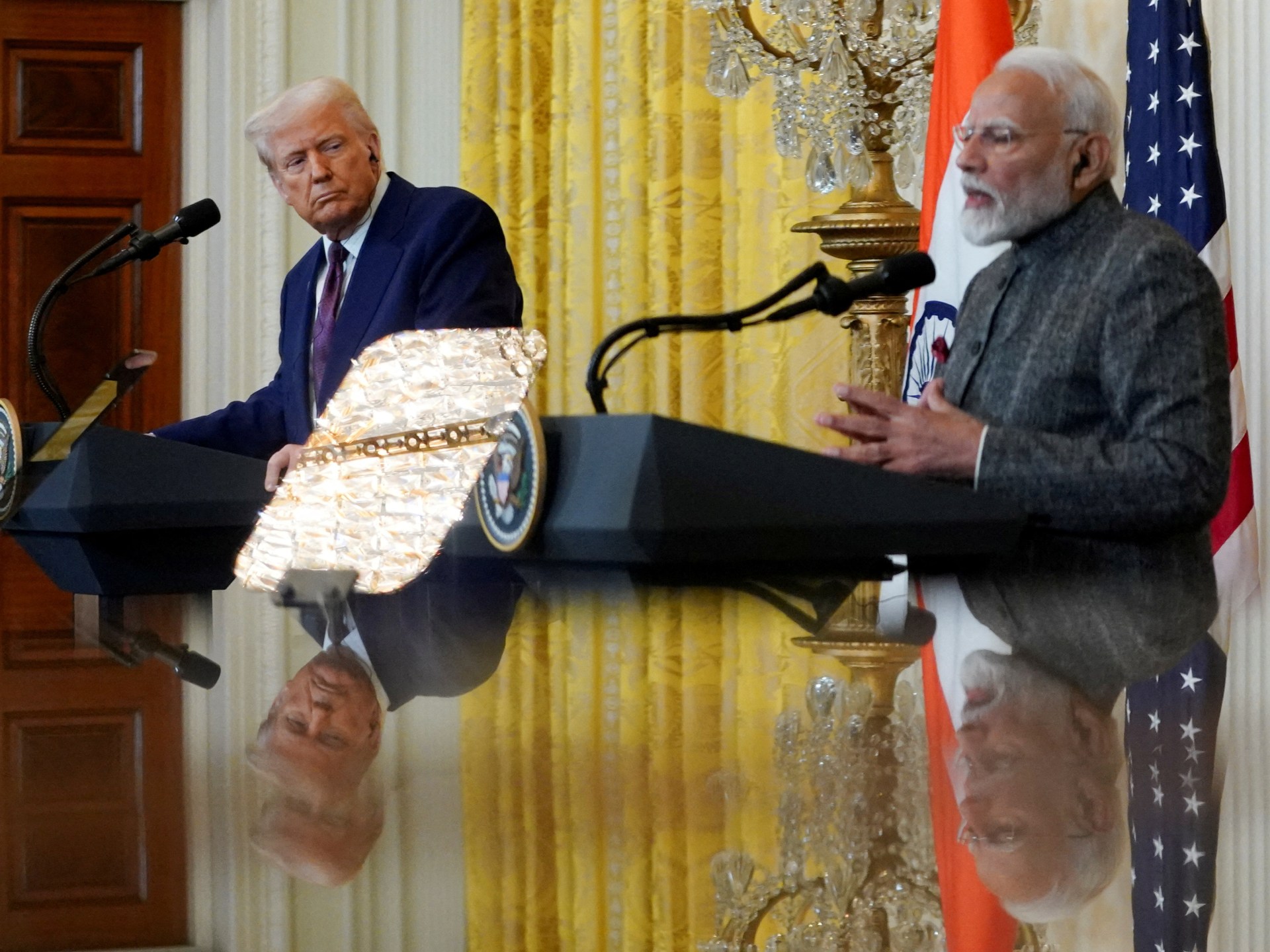
Facing intense domestic pressure, Indian Prime Minister Narendra Modi has pivoted to a more assertive diplomatic posture against Donald Trump's administration, directly challenging Washington on trade barriers and security friction.
Geopolitical & Core Developments
For months following the return of Donald Trump to the White House, New Delhi adopted a cautious, wait-and-watch approach, attempting to insulate the crucial bilateral partnership from anticipated policy turbulence. However, mounting domestic political pressures and aggressive signals from Washington have forced a decisive shift. Prime Minister Narendra Modi’s administration is no longer muting its disagreements, choosing instead to call out US policies head-on across multiple domains, ranging from counter-terrorism cooperation to aggressive protectionist measures.
This overt confrontation marks a notable departure from the traditionally measured diplomacy that has characterized US-India relations over the past decade. At the heart of the friction is Washington's renewed insistence on unilateral trade leverage and transactional diplomacy, which often runs counter to New Delhi’s strategic autonomy doctrine. State actors in India are increasingly sensitive to external pressures that appear to undermine national sovereignty, compelling the political leadership to demonstrate strength on the global stage. As diplomatic channels strain under the weight of competing national interests, both capitals are navigating a delicate recalibration of an alliance once heralded as the defining partnership of the twenty-first century.
Global Trade & Economic Ripples
The pivot in New Delhi's foreign policy carries profound implications for global trade flows, commodity markets, and supply chain architecture. The Trump administration's aggressive tariff proposals—aimed at reducing trade deficits and reshoring manufacturing—pose an immediate threat to key Indian export verticals, including technology services, pharmaceuticals, and textiles. In response, Indian trade negotiators are signaling retaliatory measures, potentially disrupting bilateral commerce valued at over one hundred billion dollars annually.
Beyond direct bilateral trade, this economic friction reverberates across global commodity pricing and supply chain corridors. As major economies decouple or de-risk, shipping lanes connecting South Asia to North America face potential route optimizations and regulatory hurdles. Furthermore, currency markets are exhibiting heightened volatility as foreign institutional investors reevaluate exposure to emerging markets caught in the crossfire of renewed trade disputes. Energy markets, too, remain on edge; India’s strategic autonomy in sourcing discounted crude oil has historically been a point of contention with Washington, and renewed pressure regarding secondary sanctions could tighten global supply constraints and elevate landed energy costs for industrial consumers worldwide.
Related Intelligence: Asian Development Bank Backs 1.1 Billion Dollar ML-1 Railway Modernisation
International Reactions & Diplomatic Stances
Multilateral institutions and international market analysts are monitoring the escalating rhetoric with growing apprehension. Observers note that any prolonged rift between Washington and New Delhi could weaken multilateral frameworks designed to counter authoritarian expansion in the Indo-Pacific. While official statements from the United Nations and allied capitals emphasize the enduring resilience of democratic partnerships, behind-the-scenes diplomatic engagement has intensified to prevent a broader rupture.
Global financial institutions have revised their near-term risk assessments for South Asian emerging markets, citing trade policy uncertainty as a primary macro-economic vulnerability. Meanwhile, regional powers are carefully evaluating the diplomatic fallout. Beijing, in particular, is observing whether the friction between Washington and New Delhi might create strategic openings in continental and maritime diplomacy, potentially altering the balance of power across the broader Asian landmass.
Strategic Outlook & Future Scenarios
Looking ahead, the trajectory of US-India relations will likely be defined by a series of high-stakes negotiations and upcoming multilateral summits. If the Trump administration proceeds with punitive tariff implementations, New Delhi is expected to accelerate diversification strategies, deepening commercial ties with alternative economic blocs in Europe, Latin America, and Southeast Asia.
Conversely, pragmatic economic necessities may ultimately compel both administrations to carve out targeted compromises, insulating critical technology transfers, defense co-production agreements, and intelligence-sharing mechanisms from broader trade disputes. However, the era of unquestioned alignment has definitively closed, replaced by a more transactional, friction-prone phase of international relations where Indian foreign policy asserts its national interests with uncompromising clarity.
Join Our Official WhatsApp Channel
Receive live commodity alerts, policy changes, and commercial intelligence directly on WhatsApp.