
India-West Indies Series Concludes Abruptly Amid Broader Sports Diplomacy Currents
Adverse weather forced an early conclusion to the final T20 fixture between India and the West Indies, underscoring broader operational and commercial stakes in international sports diplomacy.
Geopolitical & Core Developments
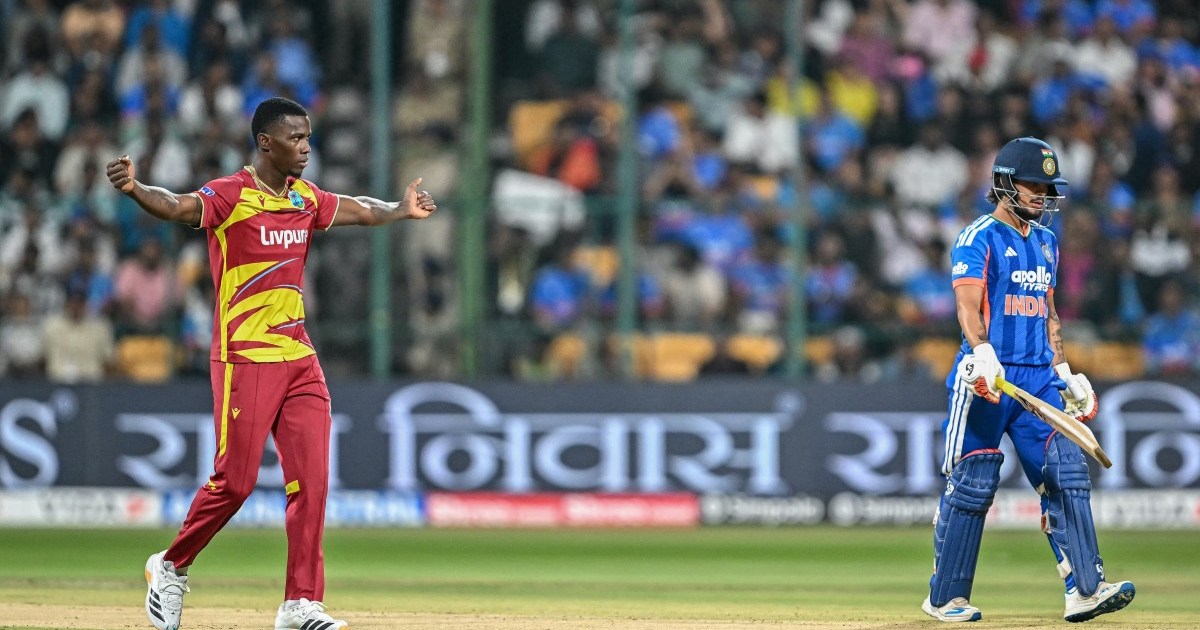
The concluding Twenty20 international fixture between India and the West Indies was curtailed abruptly due to persistent tropical downpours, bringing an inconclusive end to a high-profile bilateral series. India had mounted an aggressive offensive, reaching 118 for five within seven overs, highlighted by a rapid 24 runs off six deliveries from Naman Dhir, before field conditions deteriorated beyond playable thresholds.
Beyond the boundary line, bilateral cricket tours between the Board of Control for Cricket in India (BCCI) and Cricket West Indies represent a crucial anchor in Indo-Caribbean diplomatic engagements. Historically rooted in shared Commonwealth ties and substantial diaspora linkages across Trinidad and Tobago, Guyana, and Jamaica, international tours serve as premier instruments of soft power. These engagements facilitate broader ministerial-level dialogues, bilateral trade discussions, and cultural diplomacy between New Delhi and the Caribbean Community (CARICOM).
Global Trade & Economic Ripples
While sporting fixtures are primarily perceived as entertainment spectacles, elite international series operate within a multi-billion-dollar global media and corporate sponsorship matrix. Broadcast allocations, heavily integrated across digital streaming platforms, domestic network operators, and international syndication partnerships, face direct commercial disruptions when live programming windows are fractured by unseasonal climatic events.
Corporate underwriting and localized hospitality expenditures contribute meaningfully to regional Caribbean economies, where tourism and entertainment services account for a high proportion of gross domestic product. Weather cancellations affect supply chain logistics across stadium operations, airline passenger volumes, and hospitality revenues. Moreover, the increasing unpredictability of extreme weather events across traditional sporting calendars poses complex hedging challenges for global underwriting syndicates, insurance brokers, and commercial brands reliant on continuous multi-market television viewership.
Related Intelligence: Cross-Border Skirmish at Kurram Disrupts Regional Stability and Bilateral Trade
International Reactions & Diplomatic Stances
Sports administrators and market analysts underscored the operational dilemmas posed by unpredictable weather cycles on rigid international tour schedules. Officials from Cricket West Indies noted that while venue modernization and improved drainage infrastructure have advanced across Caribbean facilities, unprecedented seasonal rains continue to present severe operational bottlenecks.
Media analysts and regional economists highlighted the need for strategic contingency planning in international scheduling, particularly as commercial broadcasting rights agreements escalate in capital value. Bilateral cultural attachés emphasized that despite the truncated match, the broader diplomatic goodwill generated through the series remains firm, providing a constructive backdrop for upcoming multilateral summits and bilateral technical cooperation accords.
Strategic Outlook & Future Scenarios
Moving forward, international sports governance bodies are expected to intensify discussions on resilient infrastructure financing and climate-adapted scheduling protocols. As global weather variability increases, the commercial and logistical frameworks underpinning international tours must adapt through flexible match-scheduling windows and enhanced capital investment in indoor or covered regional facilities.
At a geopolitical level, engagement between India and CARICOM member states will continue to broaden into renewable energy cooperation, maritime security dialogues, and digitized public infrastructure projects. The athletic rivalry remains an enduring public-facing bridge, yet its institutional durability will increasingly depend on commercial modernization and effective climate risk mitigation across international venues.
Join Our Official WhatsApp Channel
Receive live commodity alerts, policy changes, and commercial intelligence directly on WhatsApp.