
India Faces Rising Political Turmoil as Cockroach Movement Protests Intensify
India's political landscape faces mounting instability as student-led CJP protests and opposition parties demand the election chief's resignation amid mass detentions.
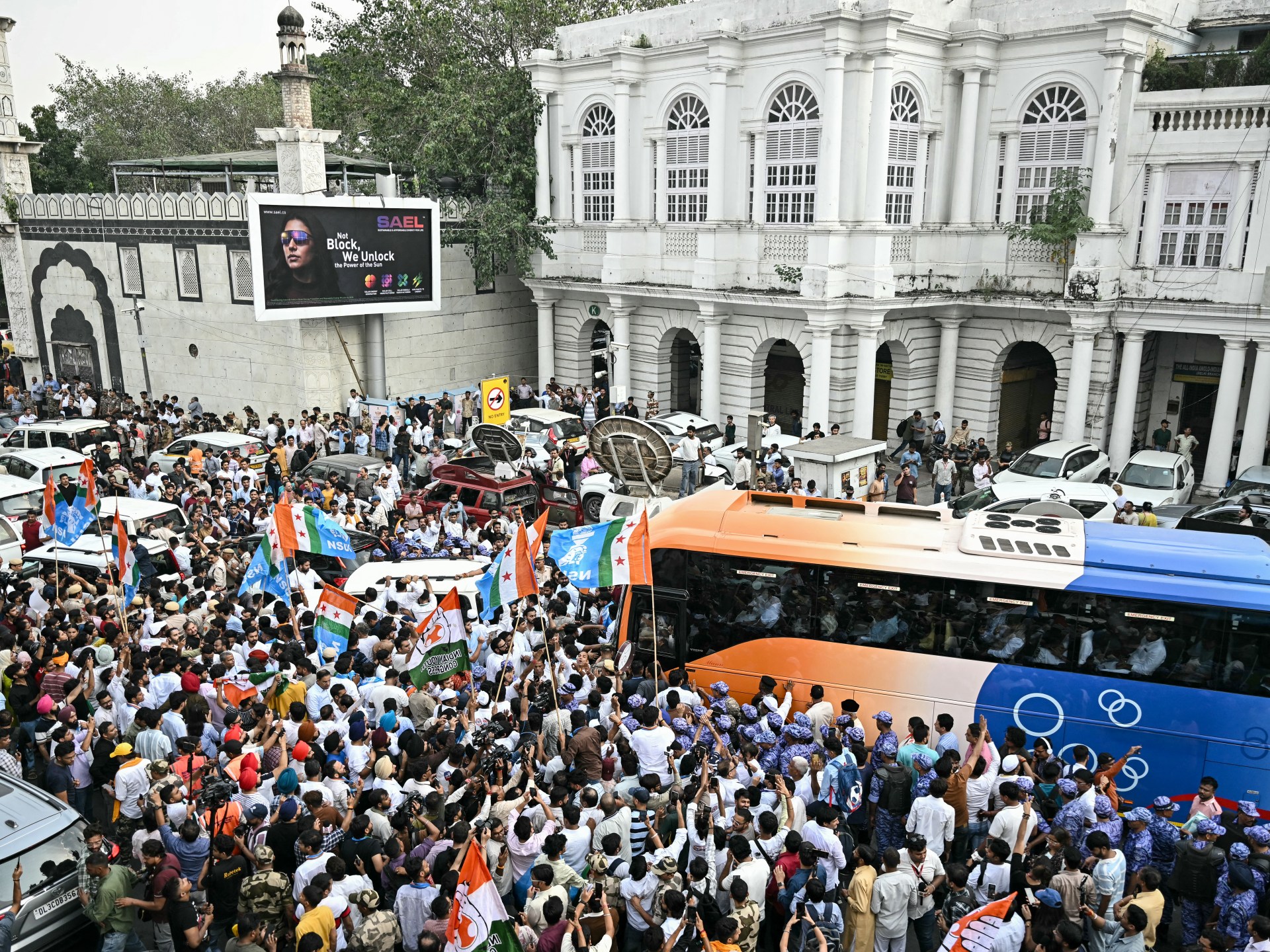
Geopolitical & Core Developments
Tensions have escalated sharply across India as the student-led Coalition for Justice and Progress (CJP) movement—widely known as the Cockroach movement—continues its aggressive campaign demanding the immediate resignation of the country's chief election commissioner. The protests, which have galvanized opposition political factions and civil society groups, center on allegations of systemic electoral bias and institutional erosion. State security forces have responded with heavy-handed containment strategies, resulting in numerous high-profile detentions of student leaders and opposition figures. Despite these clampdowns, organizers are pushing forward with plans for a mass national demonstration slated for Saturday, setting the stage for potential confrontations with law enforcement in major urban centers including New Delhi and financial hub Mumbai.
The standoff represents a critical juncture for Indian domestic governance. The administration faces mounting pressure to balance constitutional democratic norms with internal security imperatives. Analysts note that the movement's decentralized, resilient tactics—reminiscent of the survivalist nature of its namesake—have made it exceptionally difficult for authorities to suppress through conventional policing methods alone. As diplomatic missions in New Delhi monitor the situation, the core dispute over electoral integrity threatens to polarize the electorate further ahead of upcoming regional legislative cycles, introducing a layer of unpredictability into the nation's political trajectory.
[Global Trade](/news/wto-upgrades-global-trade-forecast-pakistan-gains-middle-east-disruptions) & Economic Ripples
While the protests are fundamentally domestic political grievances, international commodity markets and foreign investors are monitoring the situation for potential spillover effects. India remains a linchpin of global supply chains, technology outsourcing, and emerging market investment portfolios. Prolonged civil unrest and political uncertainty can temporarily depress consumer confidence, disrupt domestic logistics, and create hesitancy among foreign direct investors looking for stable regulatory environments. Although immediate shipping lanes, crude oil import channels, and agricultural commodity flows remain unaffected, any escalation that impacts manufacturing hubs or leads to widespread transport strikes could reverberate through regional trade corridors.
Furthermore, currency and equity markets are sensitive to prolonged political instability in South Asia. Foreign institutional investors closely evaluate governance metrics and institutional stability when allocating capital to emerging economies. While India's macroeconomic fundamentals remain robust, persistent images of street clashes and heavy police intervention risk dampening portfolio inflows in the short term. Commodity traders are also keeping a watchful eye on potential logistical bottlenecks if weekend demonstrations cause widespread transit shutdowns in key commercial centers.
Related Intelligence: Indian Authorities Launch Mass Detentions Ahead of Delhi Electoral Protest
International Reactions & Diplomatic Stances
Global bodies and foreign governments have begun observing the unfolding events with cautious attention. While international organizations typically refrain from intervening directly in domestic electoral disputes, human rights monitors and democratic oversight bodies have expressed concern over reports of arbitrary detentions and restrictions on peaceful assembly. Western capitals, balancing strategic partnerships with New Delhi against commitments to democratic principles, have emphasized the importance of upholding fundamental freedoms and maintaining transparent, inclusive political dialogue.
Market analysts and global risk consultancies have upgraded their watchlists for South Asia, advising multinational corporations with significant exposure to the Indian market to contingency-plan for potential supply chain friction and localized transport disruptions. Diplomatic channels are currently utilizing back-channel engagements to underscore the necessity of a peaceful resolution that respects constitutional frameworks and preserves investor confidence in the world's most populous democracy.
Strategic Outlook & Future Scenarios
The trajectory of the Cockroach movement will largely depend on the government's response to Saturday's planned mass demonstrations. If authorities opt for dialogue and permit peaceful assembly, tensions may gradually de-escalate, allowing the political system to absorb the dissent through institutional channels. Conversely, a hardline enforcement strategy involving mass arrests could harden opposition resolve, potentially transforming a localized electoral protest into a broader anti-government movement with national resonance.
For international observers, the coming weeks will test the resilience of India's democratic institutions. As upcoming trade negotiations and multilateral summits approach, maintaining internal stability remains paramount for New Delhi's foreign policy ambitions. How the state navigates this crisis will not only shape its domestic political architecture but also influence its standing as a reliable anchor of economic and geopolitical stability in the Indo-Pacific region.
Join Our Official WhatsApp Channel
Receive live commodity alerts, policy changes, and commercial intelligence directly on WhatsApp.