
Indian Authorities Launch Mass Detentions Ahead of Delhi Electoral Protest
Indian authorities launched mass detentions against the Cockroach youth movement ahead of a major Delhi protest demanding the chief election commissioner's resignation over voter list revisions.
The Core Development
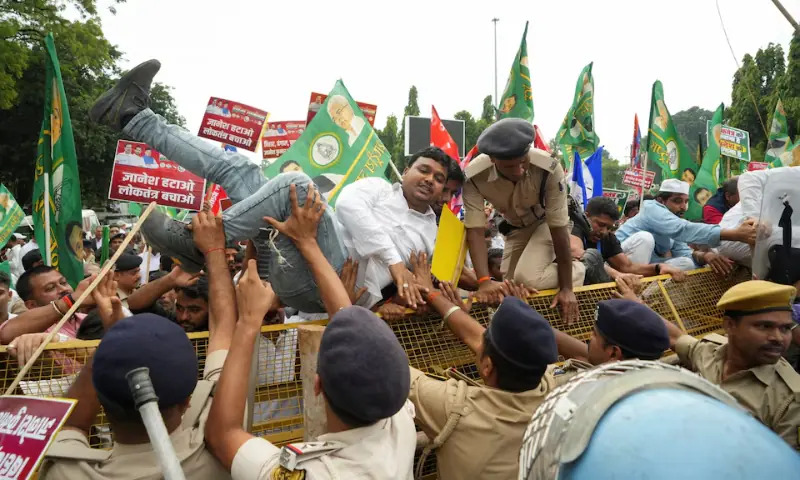
Indian state machinery has initiated a sweeping wave of preventative detentions targeting members and organizers of the unconventional "Cockroach" youth movement. The crackdown comes just days ahead of a high-stakes, nationally coordinated protest rally scheduled in the capital territory of Delhi. The demonstrations are spearheaded by a coalition of opposition parties, their affiliated student wings, and the Gen Z-led Cockroach Janta Party (CJP), who have coalesced around a singular, disruptive demand: the immediate resignation of India's top poll official, Chief Election Commissioner Gyanesh Kumar.
The unrest stems from a deeply contentious revision of national voter lists that opposition factions and grassroots youth groups claim compromises electoral integrity. Over the preceding weeks, this friction has transformed from localized dissent into a persistent, daily mobilization campaign across multiple states. According to official statements released by movement leaders via social media platform X, state authorities escalated their containment strategy by deploying preventive custody measures. Among those detained in the sweep is Deepak Baliyan, a senior member and prominent spokesperson for the CJP, alongside numerous regional activists who were travelling toward the capital to participate in the upcoming march.
Commercial & Economic Implications
While the immediate crisis unfolds as a political standoff, prolonged civil unrest and institutional instability in India carry profound ripple effects across regional trade networks and cross-border commercial sentiment. For South Asian markets, particularly in Pakistan, sustained political volatility in a neighboring major economy invariably influences investor risk perceptions, regional supply chain stability, and bilateral economic dialogues. Although direct trade channels remain heavily restricted between the two nations, macroeconomic shocks, currency fluctuations, and shifts in foreign direct investment preferences across the subcontinent are closely monitored by financial analysts in Karachi and Lahore.
Furthermore, prolonged domestic turbulence in India can disrupt broader South Asian trade corridors and multilateral commercial engagements. Wholesale distributors and retail trade associations operating within Pakistan watch such political fractures closely, as any significant policy shifts or governance crises in New Delhi could alter regional commodity pricing, agricultural export competitiveness, and broader inflationary trends. Financial markets are sensitive to prolonged governance disputes, as they often precede regulatory unpredictability, fiscal policy paralysis, and dampened consumer confidence across the wider region.
Related Intelligence: Israel Debuts at Morocco Air Show Amid Defense Expansion
Stakeholder Perspectives & Market Reactions
Public reaction to the mass detentions has intensified polarization across India's political and legal landscapes. Opposition leaders and civil liberties organizations have fiercely condemned the arrests, framing the state's actions as a heavy-handed suppression of constitutional rights and democratic dissent. Legal experts argue that preemptively detaining peaceful youth activists sets a dangerous precedent for civil liberties and undermines the foundational checks and balances required in a functioning democracy.
Conversely, government defenders and electoral authorities maintain that strict administrative measures are necessary to preserve public order and prevent potential disruptions in the capital. The Election Commission has defended the voter list revisions as a routine, transparent administrative update designed to clean electoral rolls. However, trader associations and civil society bodies across the region have expressed growing concern that escalating state intervention against youth-led movements signals a hardening political environment that could stifle public discourse and destabilize consumer markets.
Forward Outlook & Key Watchpoints
As the scheduled date for the Delhi rally approaches, all eyes remain fixed on how federal and local law enforcement will manage the converging protest columns. The primary watchpoints include the potential escalation or containment of street-level demonstrations, the legal status of detained CJP leaders such as Deepak Baliyan, and whether opposition parties will successfully consolidate their grassroots momentum into a unified legislative or judicial challenge against Chief Election Commissioner Gyanesh Kumar.
For financial markets, economists, and regional observers, the unfolding situation serves as a critical test of institutional resilience in South Asia's largest democracy. The outcome of this confrontation will likely dictate the trajectory of political opposition strategies in the lead-up to subsequent electoral cycles, with enduring implications for regulatory stability, investor confidence, and regional economic diplomacy.
Join Our Official WhatsApp Channel
Receive live commodity alerts, policy changes, and commercial intelligence directly on WhatsApp.