
India Election Commission Credibility Crisis Threatens Global Democratic Stability
Fresh allegations against India's chief election commissioner have sparked an international credibility crisis, threatening economic stability and institutional trust in the world's largest democracy.
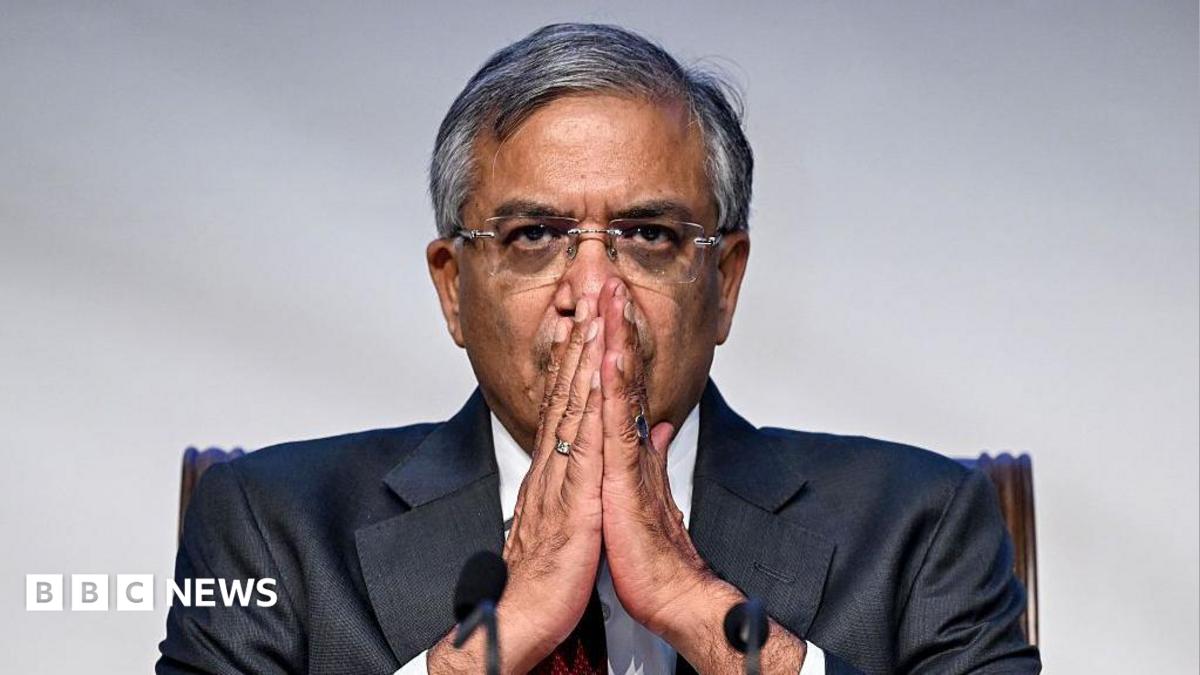
Geopolitical & Core Developments
India's Election Commission, long regarded as a pillar of institutional stability in South Asia, has once again found itself at the center of a profound political storm. Fresh allegations leveled against the nation's chief election commissioner have reignited intense domestic debate and international scrutiny regarding the independence of constitutional watchdogs. The controversy emerges at a delicate geopolitical juncture, as India positions itself as an indispensable democratic anchor in the Indo-Pacific strategy. State actors and diplomatic corps in Washington, Brussels, and Tokyo are quietly monitoring whether executive overreach is eroding the structural integrity of India's electoral machinery. Historically, the Commission commanded near-universal reverence for managing massive multiphase elections involving hundreds of millions of voters. However, a succession of procedural controversies, opaque appointments, and perceived bias in handling candidate disqualifications has progressively damaged its reputation. This latest crisis not only challenges the domestic balance of power but also forces international observers to reassess the resilience of India's democratic institutions amid rising populist governance trends worldwide.
Global Trade & Economic Ripples
While electoral administration is primarily an internal matter, the erosion of institutional checks and balances carries direct implications for global commodity markets, foreign direct investment (FDI), and international trade corridors. Global corporations executing long-term capital deployment strategies in India rely heavily on predictable legal frameworks and independent regulatory bodies. Any perceived weakening of democratic accountability introduces systemic political risk, which institutional investors factor into sovereign debt yields, equity valuations, and currency stability. Supply chain diversification away from China has channeled billions of dollars into Indian manufacturing and technological infrastructure under the 'Make in India' initiative. However, multinational enterprises operating in sectors ranging from renewable energy to defense technology remain sensitive to governance metrics. Instability at the electoral commission level feeds broader concerns regarding regulatory capture, potentially causing foreign institutional investors to exercise greater caution before committing capital to upcoming industrial projects.
Related Intelligence: Iran Flight Bans Trigger Regional Escalation and Supply Chain Risks
International Reactions & Diplomatic Stances
Global reaction to the unfolding institutional crisis has been characterized by careful diplomatic balancing. Major Western allies, eager to maintain a united front against strategic challenges in the Indo-Pacific, have largely issued muted statements emphasizing the importance of democratic norms and institutional transparency. Conversely, international human rights organizations, global democracy research institutes, and economic think tanks have been unsparing in their assessments. Reports from democracy indexing bodies have steadily downgraded India's status, citing systemic pressures on independent state institutions. Multilateral lenders and trade negotiators are watching closely to see if domestic political friction impedes necessary economic reforms. Foreign trade partners note that while immediate commercial agreements remain insulated from domestic political disputes, long-term trade predictability depends fundamentally on the health of India's democratic framework and the absolute neutrality of its state regulators.
Strategic Outlook & Future Scenarios
As India prepares for upcoming regional elections and navigates its complex geopolitical trajectory, the future of its Election Commission will serve as a crucial barometer for global analysts. Two primary scenarios now confront international observers. In the first scenario, mounting domestic pressure and international scrutiny compel the government to institute sweeping governance reforms, restoring procedural transparency and insulating the polling monitor from political interference. This outcome would reassure foreign investors and reinforce India's credentials as a stable, rules-based democracy. In the second scenario, further erosion of institutional independence deepens polarization, potentially triggering civil unrest, legal challenges, and heightened sovereign risk premiums. For international markets and strategic planners, the stakes could not be higher, as the institutional health of the world's largest electorate directly influences the geopolitical and economic architecture of the entire Indo-Pacific region.
Join Our Official WhatsApp Channel
Receive live commodity alerts, policy changes, and commercial intelligence directly on WhatsApp.