
Germany Investigates 105-Year-Old Suspect Over Nazi PoW Camp Atrocities
German judicial authorities are investigating a 105-year-old former guard for accessory to murder at the Stalag 326 Nazi prisoner-of-war camp, underscoring enduring international commitments to historical accountability.
Geopolitical & Core Developments
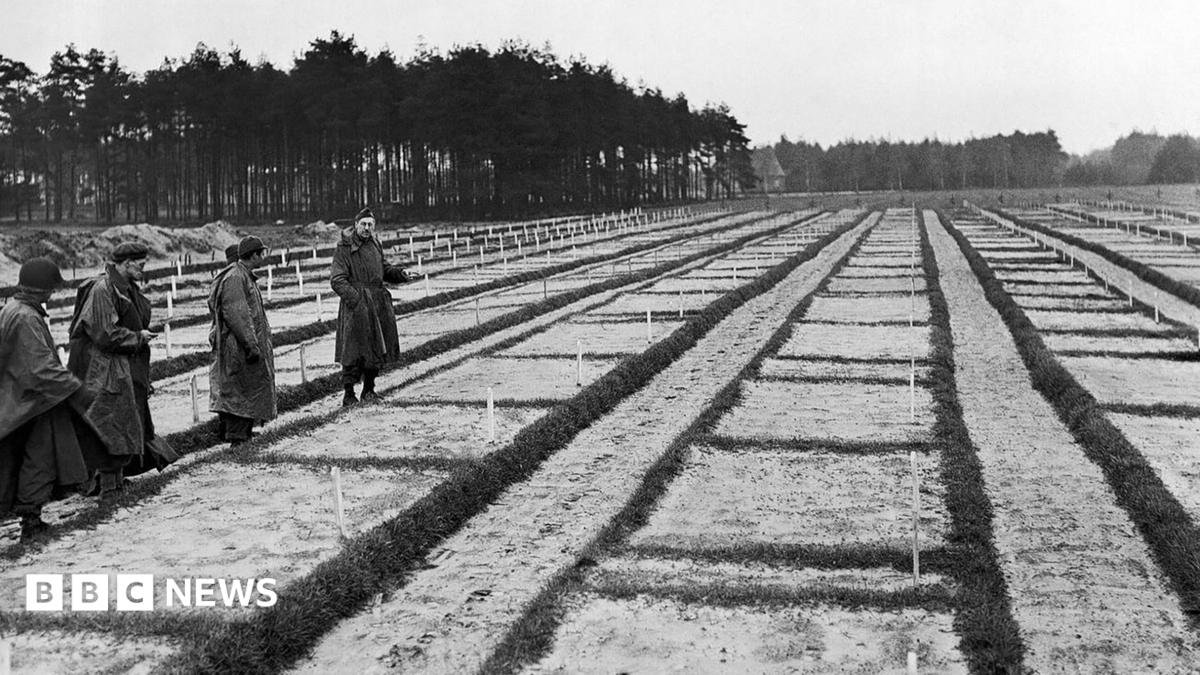
German judicial authorities have initiated a formal investigation into a 105-year-old individual suspected of serving as an accessory to murder at the notorious Stalag 326 prisoner-of-war camp during the Second World War. Located near Schloß Holte-Stukenbrock in North Rhine-Westphalia, Stalag 326 (VI K) was a massive detention facility where tens of thousands of Soviet prisoners of war succumbed to systematic starvation, rampant disease, forced labor, and outright execution. The current legal proceedings represent one of the final chapters in Europe's protracted post-war judicial reckoning with the crimes of the National Socialist regime. Investigators are meticulously reviewing wartime documentation, administrative records, and historical testimony to determine the extent of the suspect's direct involvement in the day-to-day operations of the camp. While advanced age and diminishing physical and cognitive capacity frequently complicate or halt modern Nazi-era trials, German federal prosecutors maintain that the gravity of war crimes and crimes against humanity supersedes conventional temporal limitations, reflecting a broader European commitment to universal jurisdiction and historical truth.
[Global Trade](/news/trump-xi-summit-trade-tech-taiwan-iran) & Economic Ripples
While historical war crimes investigations of this nature do not exert direct mechanical influence on contemporary commodity futures, foreign exchange rates, or international shipping lanes, they occupy a crucial space within the architecture of global sovereign risk, ESG compliance, and international law. Modern multinational enterprises, logistics conglomerates, and financial institutions increasingly operate under stringent global governance frameworks that prioritize ethical transparency, human rights due diligence, and historical accountability. The relentless pursuit of accountability for past state-sponsored atrocities reinforces the stability of international legal norms that govern sovereign conduct, labor rights, and humanitarian protections. Furthermore, diplomatic tensions between contemporary Germany and the Russian Federation regarding historical memory, war memorials, and the stewardship of WWII sites continue to form a complex backdrop to broader European geopolitical and economic stability, subtly influencing diplomatic channels between Western capitals and Eastern European states.
Related Intelligence: Federal Minister Challenges KP Police Act in Supreme Court Amid Security Crisis
International Reactions & Diplomatic Stances
International bodies, human rights organizations, and historical preservation groups have reacted to the announcement with a mix of solemn acknowledgment and renewed calls for comprehensive remembrance. Representatives from the United Nations and various international legal advocacy networks emphasized that war crimes and crimes against humanity possess no statute of limitations, serving as an essential deterrent against future atrocities. Meanwhile, diplomatic quarters in Moscow have historically underscored the immense loss of Soviet lives at camps like Stalag 326, utilizing such historical milestones to reiterate demands for broader recognition of the Soviet Union's sacrifices and suffering during the Great Patriotic War. Civil society organizations in Germany, including memorial foundations dedicated to the victims of Stalag 326, praised the persistence of the judicial system, asserting that legal closure remains vital for the families of the victims and the preservation of historical integrity.
Strategic Outlook & Future Scenarios
As this investigation progresses through the preliminary legal stages, experts anticipate intense scrutiny from both medical evaluators and defense counsels regarding the suspect's fitness to stand trial. Given the defendant's extraordinary age of 105, legal precedents suggest that the proceedings will likely focus on whether the individual can meaningfully participate in court hearings without severe health risks. Beyond this specific case, judicial authorities across Western Europe recognize that this era of war crimes prosecution is drawing to a natural close simply due to human mortality. Consequently, international legal frameworks are shifting their focus toward preserving digital archives, oral histories, and comprehensive documentation to ensure that future generations retain unassailable records of historical atrocities, thereby fortifying international humanitarian law against future erosion.
Join Our Official WhatsApp Channel
Receive live commodity alerts, policy changes, and commercial intelligence directly on WhatsApp.